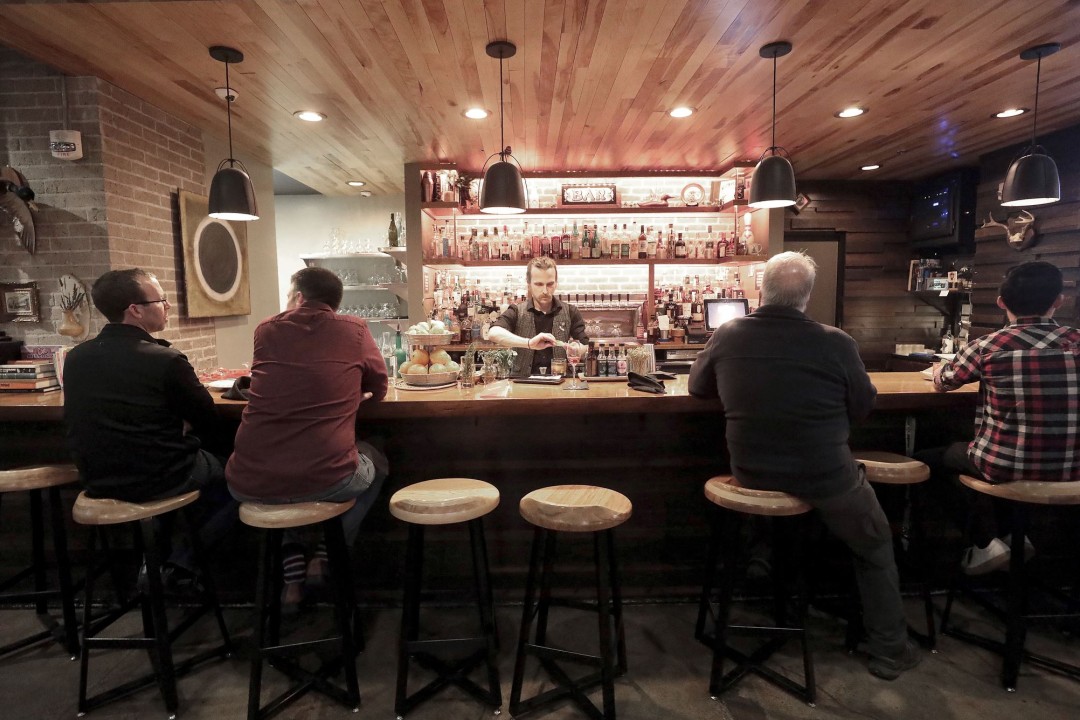
Nearly a third of restaurant operators reported "severe declines" in alcohol sales and a 2025 Gallup poll shows just over 50% of US adults drink at all, with those who do consuming less. Canada recorded its largest annual drop in beer, wine and spirits sales in 20 years, and individual operators saw alcohol mix fall from an expected 60% of revenue to ~30%, contributing to closures. Operators cite economic uncertainty, shifting health attitudes and demographic changes; some are pivoting to elaborate zero-proof menus, though margins are often weaker.
Unit-level economics for eat-and-drink operators are more levered to beverage mix than headlines imply: a 3–7 percentage-point permanent swing in alcohol mix typically translates into ~100–300bps of operating-margin compression at the restaurant level because alcohol sales sit on a far higher incremental margin than most food items. That margin loss doesn't just hit EBITDA — it forces menu engineering, higher labor per dollar of revenue, and incremental marketing spend to drive frequency, amplifying cash burn at smaller independents within 6–18 months.
Supply-chain impacts are non-linear. Distributors and bottlers with fixed production runs face inventory write-down cycles and price renegotiation risk with on-premise accounts; that pressure accelerates consolidation among regional distributors and shifts more SKUs toward grocery/DPD channels where scale and promotion cadence dominate. Conversely, multi-category consumer staples and global beverage platforms are positioned to monetize channel substitution (off-premise and premium non-alcoholic SKUs) through trade spend and SKU rationalization over the next 12–24 months.
Reversal catalysts are identifiable and short-dated: an oil/gas-driven real-wage uptick, a summer tourism rebound, or a visible uptick in Gen Z foot traffic would restore higher-margin checks within 3–6 months. Structural risks — changing health norms and higher excise/tax attention — act over years and justify permanent repricing for smaller operators; monitor monthly same-store denials, distributor inventory days, and state excise receipts as early-warning indicators of either recovery or deeper distress.
AI-powered research, real-time alerts, and portfolio analytics for institutional investors.
Request DemoOverall Sentiment
moderately negative
Sentiment Score
-0.60
Ticker Sentiment
