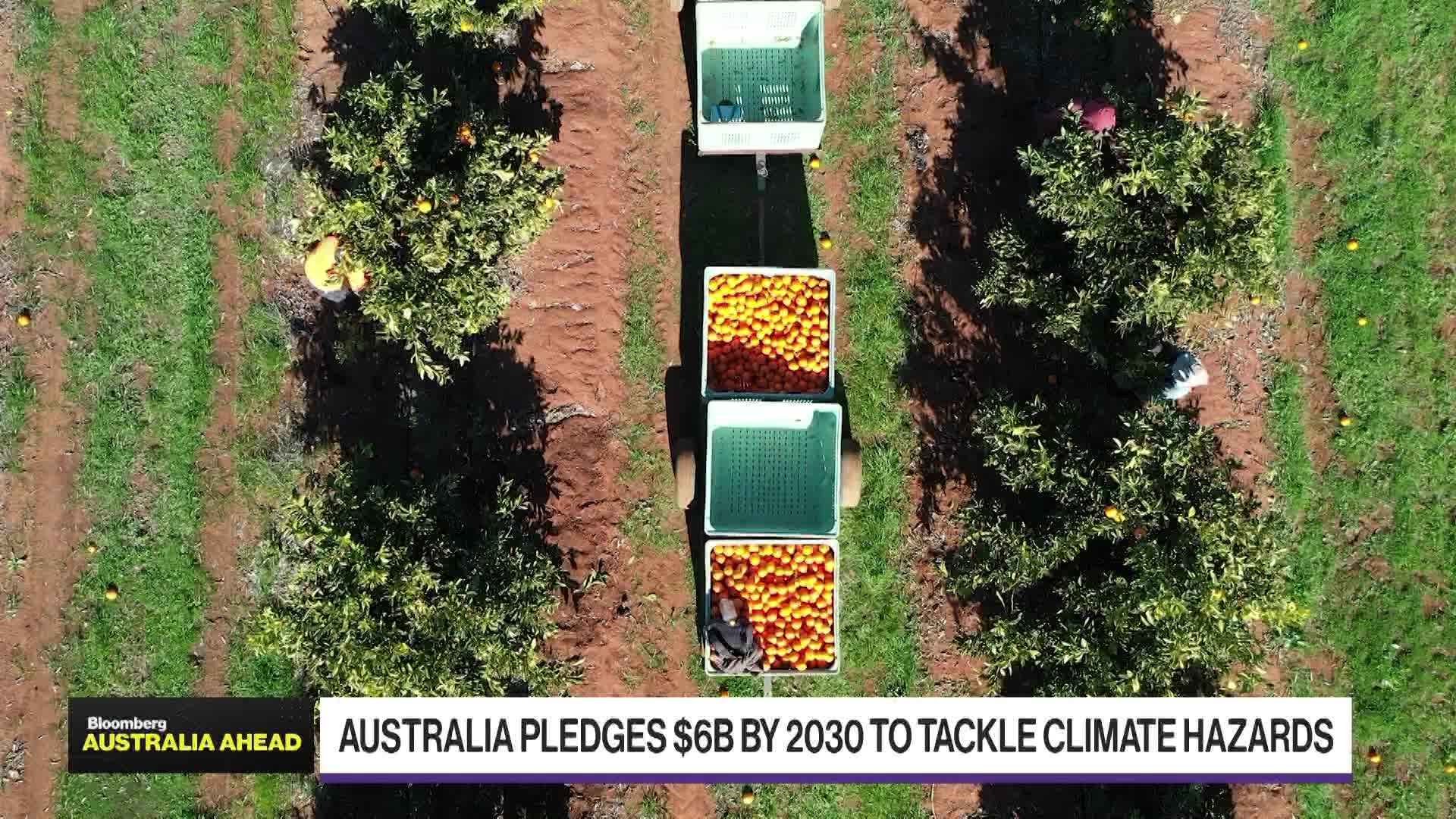
Australia is set to introduce a new climate target, a policy shift with the potential to fundamentally alter the nation's economic structure and long-term outlook. This development signals significant implications for capital allocation and strategic planning across Australian industries, warranting close attention from institutional investors.
Australia is poised to introduce a new climate target, a significant policy development with the potential to fundamentally reshape the nation's economic structure. This anticipated shift, assigned a high market impact score of 0.7, signals profound implications for capital allocation and strategic planning across all Australian industries. The current tone is one of uncertainty, as the specific details of the policy have not been disclosed, leading to a neutral sentiment reading. However, the event falls squarely under the 'ESG & Climate Policy' theme, indicating that investors must prepare for a potential re-evaluation of asset values, particularly within sectors sensitive to carbon regulation and energy transition, such as mining, utilities, and agriculture. The policy's capacity to 'fundamentally alter' the economy suggests that both transition risks and new investment opportunities will emerge on a national scale.
AI-powered research, real-time alerts, and portfolio analytics for institutional investors.
Request DemoOverall Sentiment
neutral
Sentiment Score
0.00
