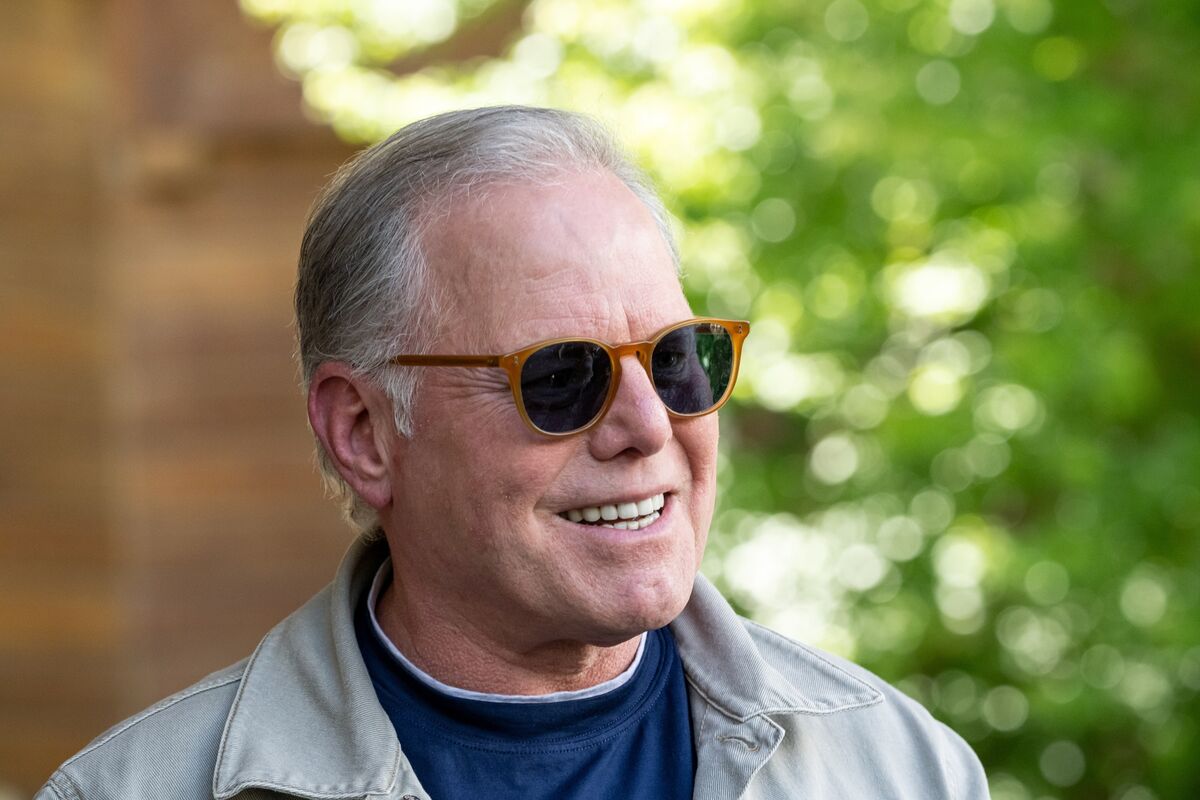
Netflix agreed to acquire Warner Bros. Discovery for about $72 billion, paying a price that values WBD shares at more than three times their level as recently as April, delivering a substantial premium to shareholders. The deal materially benefits WBD stockholders and would make CEO David Zaslav a billionaire if the transaction closes, with significant implications for management incentives and ownership alignment. The transaction reshapes the media landscape by consolidating major content assets and is likely to drive notable market re-pricing in media and related equities.
Market structure: Netflix acquiring Warner Bros. Discovery materially consolidates content scale — immediate winners are WBD equity holders (takeover premium) and Netflix if it achieves 10-20%+ cost synergies in content/licensing over 2-3 years. Losers are smaller streamers (DIS, AAPL, PEAC) facing greater content-cost pressure and potentially higher churn; pay-TV rights sellers may see reduced leverage. On supply/demand, content supply tightens (fewer independent IP licensors) raising pricing power for the combined entity but increasing upstream bidding for live sports and third-party shows over 12–36 months.
Risk assessment: Key tail risks are regulatory challenge (DOJ/FTC suit within 90 days; EU remedies), deal financing strain (if >$30bn debt raises Netflix leverage >2.5x net debt/EBITDA), and integration failure (AOL–TimeWarner analogue) that can erase >30% of expected synergies. Near-term (days–weeks) expect volatility and arb spreads; short-term (months) financing and shareholder votes; long-term (2–5 years) execution on subscriber monetization and ad stack integration matters. Hidden dependencies include content licensing expiries and talent contracts that could force incremental cash spend.
Trade implications: Event-driven arb (long WBD vs hedged exposure) and credit/option hedges on NFLX are primary plays: target merger arb IRR >6% if spread <0.5% to offer and close within 6 months; buy 6-month NFLX put spreads to cap downside if leverage increases. Sector rotation: trim 1–3% positions in legacy cable/linear TV and redeploy into scaled streaming winners or cash; monitor implied volatility — options skew likely to steepen 20–50% immediately post-announcement.
Contrarian angles: Consensus underestimates regulatory and cultural-integration risk — history shows large media mega-mergers often destroy value; market may underprice downside if Netflix funds >40% with debt or stock; conversely, deal could force competitors into expensive rights bidding, compressing industry free cash flow for 12–36 months. Unintended consequence: a higher-cost content environment could accelerate bundling/ads, reducing ARPU predictability and boosting ad-tech winners rather than pure subs models.
AI-powered research, real-time alerts, and portfolio analytics for institutional investors.
Request DemoOverall Sentiment
moderately positive
Sentiment Score
0.60
Ticker Sentiment
