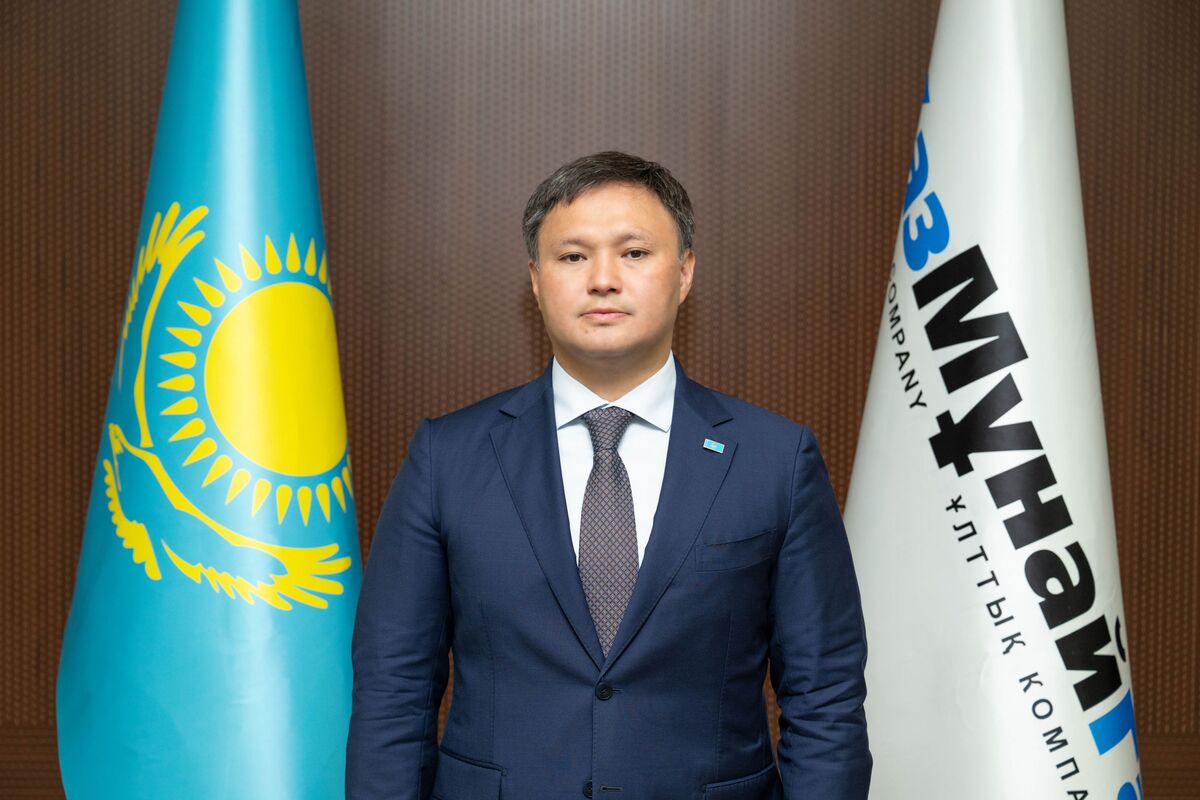
Kazakhstan's state-owned oil producer, KazMunayGas National Co., is considering issuing yuan-denominated bonds (dim sum or panda bonds) to diversify its funding sources and potentially lower borrowing costs. CEO Askhat Khassenov indicated that the company is evaluating various markets, including China and Arab countries, based on prevailing market conditions, signaling a potential debut offering in China's debt market.
Kazakhstan's state-owned oil producer, KazMunayGas National Co., is actively exploring alternative funding avenues, including the issuance of yuan-denominated bonds, specifically dim sum or panda bonds, as confirmed by CEO Askhat Khassenov. This strategic consideration aims to secure potentially cheaper financing from international markets, with China and Arab countries also being evaluated as potential sources for debt issuance. The decision to proceed with such borrowing is explicitly contingent on prevailing market conditions. This potential foray into China's debt market by KazMunayGas signifies an intent to diversify its funding base beyond traditional capital markets and reflects a broader interest among emerging market entities in tapping alternative liquidity pools, particularly the renminbi market. The moderately positive sentiment associated with this news suggests market participants view this exploration as a prudent step towards optimizing the company's capital structure and potentially reducing its overall borrowing costs.
AI-powered research, real-time alerts, and portfolio analytics for institutional investors.
Request DemoOverall Sentiment
moderately positive
Sentiment Score
0.45
