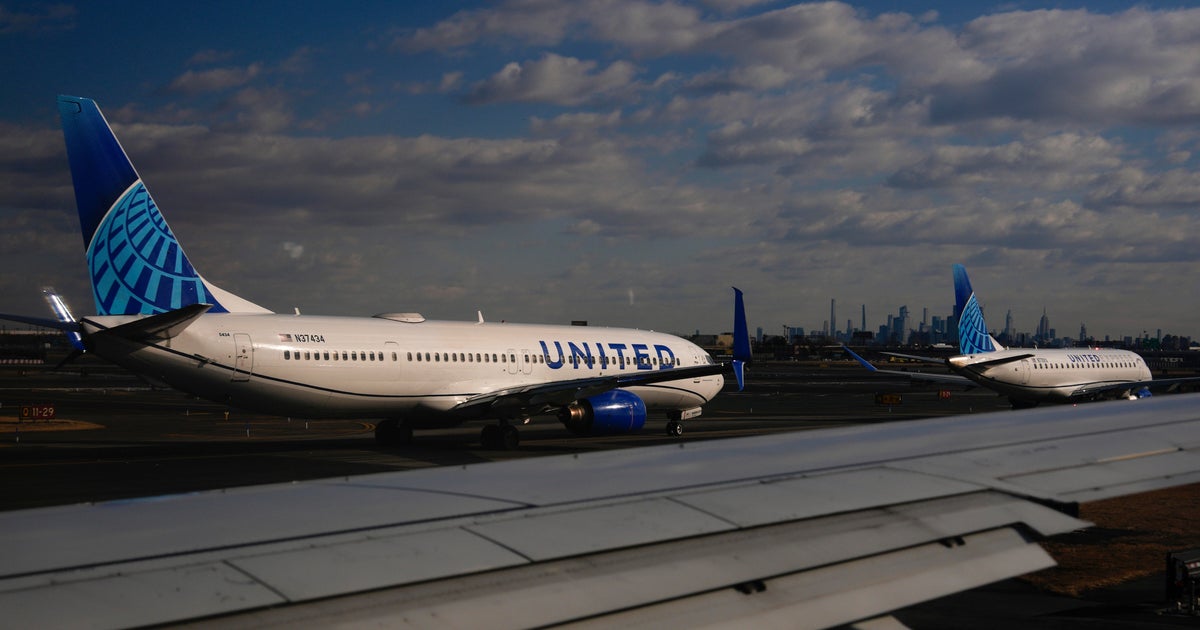
A United Airlines flight to Palma de Mallorca returned to Newark after a reported passenger disturbance and possible security threat, involving 190 passengers and 12 crew on a Boeing 767. The aircraft was swept by Port Authority police, passengers were re-screened, and a replacement flight later completed the trip. The incident adds to a series of recent United operational disruptions, but the article does not indicate material financial damage.
This is not a single-incident equity event; it is a signal that operational friction in commercial aviation is becoming more frequent and more visible, which raises the probability of incremental cost creep across the airline complex. The immediate loser is UAL because disruptions like this compound at the margin: irregular operations create crew mispositioning, passenger compensation, slot risk, and reputational drag that can bleed into booking conversion for a few weeks after a viral incident. BA is only a second-order beneficiary/loser through sentiment, but any sustained uptick in headline aviation incidents tends to keep pressure on the entire 767/legacy widebody fleet narrative rather than on one carrier alone.
The more important second-order effect is regulatory: repeated passenger-disturbance events increase the odds of tighter boarding/dispatch procedures, more ground checks, and longer turnaround times, especially on transatlantic routes where a diversion is far more expensive than on domestic flying. Even a small increase in average block time or an extra fraction of a percent of completion factor can matter for a network carrier with thin unit margins because it forces schedule padding and reduces aircraft utilization. Over the next 1-3 months, the catalyst set is not legal liability, but whether management has to spend real money on process changes, staffing, or customer reaccommodation to protect premium yields.
The contrarian view is that the market may overreact to the headline while underpricing the operational resilience of a large hub-and-spoke carrier. Incidents like this are noisy, but unless they cluster into a broader pattern of delays, diversions, or TSA/port authority interventions, they usually fade faster than investors expect. The cleaner trade is to fade knee-jerk weakness only if UAL breaks with the sector on event day; otherwise the better opportunity is in relative-value shorts against higher-beta travel names that are more exposed to consumer confidence and travel sentiment spillover.
AI-powered research, real-time alerts, and portfolio analytics for institutional investors.
Request DemoOverall Sentiment
mildly negative
Sentiment Score
-0.15
Ticker Sentiment
