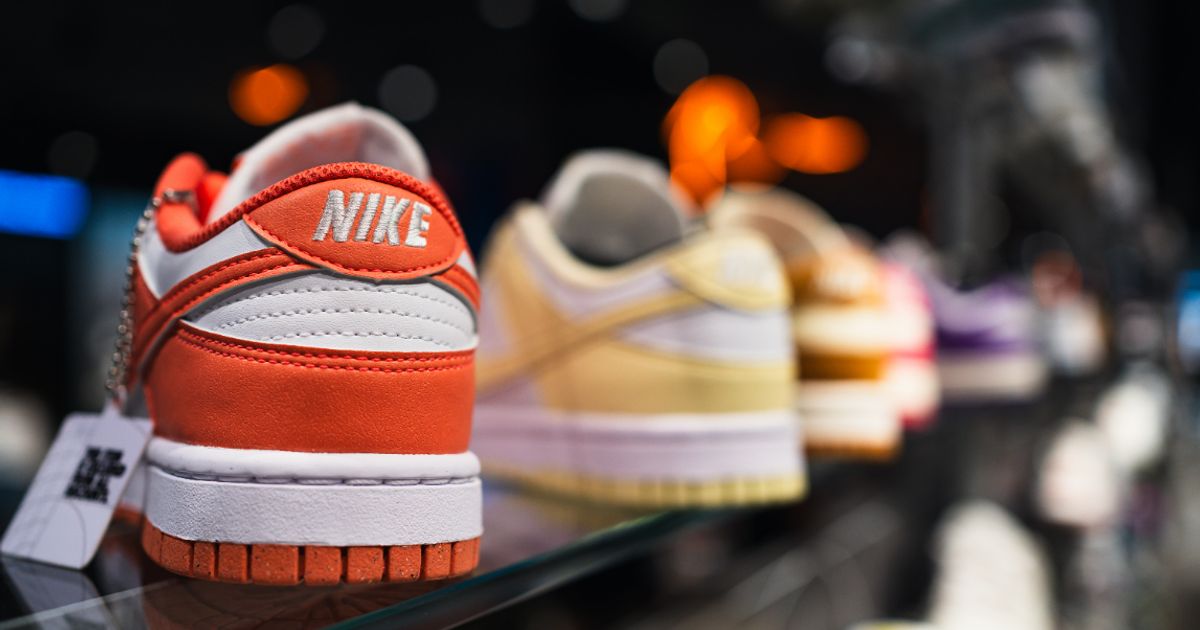
Jefferies reiterated a Buy on Nike with a $110 price target, citing strengthening brand momentum — including a return to the Lyst Index Top 20 (No.19 for Q4 2025), high-profile collaborations (NikeSKIMS, Martine Rose, NOCTA), and product extensions — despite shares trading ~2.5% lower at ~$62. The firm highlights improved retail execution around core franchises (Pegasus, Vomero), strong Vomero search volumes, and positive digital trends (web traffic turning positive in December), and points to Nike’s fiscal Q2 showing North America returning to sales growth and progress clearing excess inventory. With inventories normalized, Jefferies expects a renewed emphasis on direct-to-consumer and restoring full-price selling, implying potential margin recovery and upside to fundamentals if momentum continues.
Market structure: Nike (NKE) regaining brand heat and clearing excess inventory benefits Nike’s gross margins and direct-to-consumer (DTC) mix; expect restored full-price selling to add ~150–300bps to gross margin over 2–4 quarters if sell-through holds. Winners include NKE, premium wholesale partners (strategic windows at Foot Locker for core franchises) and digital marketing/ads vendors; losers are off-price channels (TJX/ROST) and lower-tier athletic brands that lose share. Cross-asset: NKE strength should compress its equity volatility (IV down), modestly tighten credit spreads for retail issuers, and have negligible FX/commodity impact short term.
Risk assessment: Tail risks are a macro consumer pullback (GDP or real wage shock) or supply-chain labor/ESG disruption in Asia that could re-create inventory glut; probability meaningful enough to plan 12–18 month stress scenarios. Immediate (days) reaction will be earnings- and guide-driven; short-term (1–3 months) hinges on product drops and DTC cadence; long-term (3–12 months) depends on sustained brand relevance and wholesale cooperation. Hidden dependencies include wholesale inventory replenishment timing and promotional cadence by key partners; catalysts are next two fiscal-quarter prints, Lyst momentum, and NikeSKIMS footwear rollouts.
Trade implications: Bias constructive but size-constrained—NKE is a directional recovery with event risk. Direct equity exposure (2–3% position) or defined-risk options (3–6 month call spreads) preferred to naked longs. Relative/value play: long NKE vs short Skechers (SKX) or lower-tier athletic names to exploit premium brand momentum; rotate capital into consumer discretionary footwear and reduce off-price retail exposure. Entry on sustained web-traffic improvement and inventory comps over two consecutive quarters; take profits or trim on +30–50% upside or margin guidance misses.
Contrarian angles: Consensus may over-index to collaboration headlines—Lyst placement is signal but not proof of durable demand; brand heat can be episodic (see prior Nike inventory cycles). The market may underprice the risk that wholesale partners push back on allocations as full-price returns, creating channel conflict and short-term revenue deferral. Use tight sizing, catalytic stop-losses, and staggered entries to avoid a reversal if consumer demand softens.
AI-powered research, real-time alerts, and portfolio analytics for institutional investors.
Request DemoOverall Sentiment
moderately positive
Sentiment Score
0.45
Ticker Sentiment
