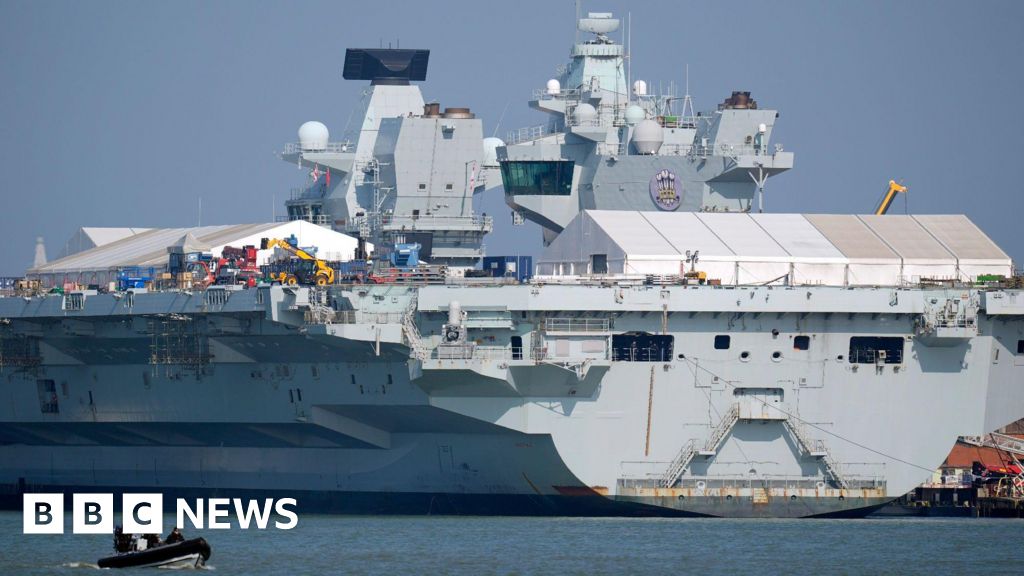
HMS Prince of Wales was placed on advanced readiness (able to sail within five days) but is now reported unlikely to deploy to the Middle East and may instead join planned NATO Arctic exercises. The UK has bolstered regional defenses — extra Typhoons, F-35s, air-defence systems, HMS Dragon (expected to sail in days) and ~400 additional personnel to Cyprus — while no final decision on carrier deployment has been made; President Trump publicly criticized reliance on UK carrier support.
The elevated readiness posture and likely pivot of high-end naval assets toward high-latitude NATO work is an operational signal, not just a one-off deployment choice: expect a multi-quarter lift in demand for cold-weather modifications, ASW sensors, sustainment windows at UK shipyards, and contractor surge labor. Those revenue bumps are lumpy — concentrated in near-term MRO and mid-term contract awards — so public contractors with flexible backlog recognition will show the first visible EPS upside within 3–9 months.
A parallel political effect is under-appreciated: bilateral friction and election timing compress the runway for large export approvals and multi-year platform buys, raising the probability of stop-start procurement (months-to-years). That boosts the value of companies with domestic sustainment franchises and hurts pure-export-dependent primes whose near-term order books rely on foreign sign-offs.
Market microsecond effects: insurers, regional shipping rates, and short-term aviation staffing/rotation vendors will see elevated volatility in the eastern Mediterranean corridor while NATO assets reposition — a tail risk for carriers and tour operators over the next 0–6 months, but not a structural travel demand shock. Watch two short-dated catalysts: formal NATO exercise announcements (triggers contract awards and deployment spend) and the next UK defence procurement statement (budgeting signal), both likely to move traded supplier names by >10% on confirmation.
AI-powered research, real-time alerts, and portfolio analytics for institutional investors.
Request DemoOverall Sentiment
mildly negative
Sentiment Score
-0.10
