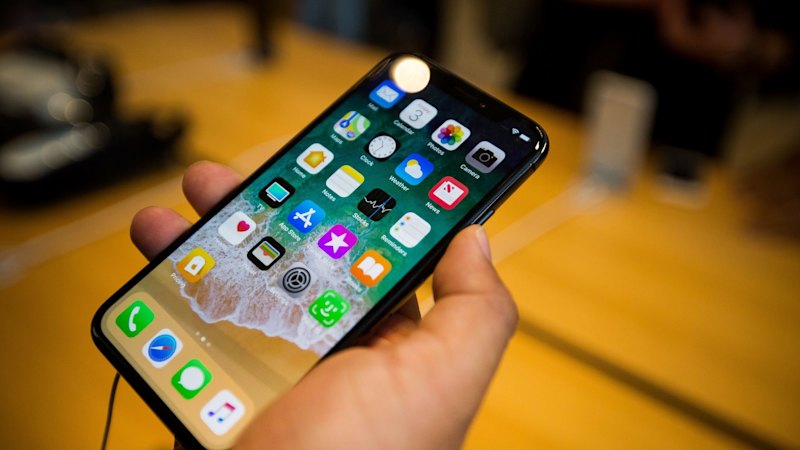
An Apple software update released on January 26 caused connectivity failures for iPhone 8, 8 Plus and X users on the Telstra network, temporarily preventing calls, SMS, data and access to Triple Zero emergency services for some customers. Apple pulled the problematic updates, restored most versions and by Thursday afternoon pushed a final patch that will auto-install via Wi‑Fi and updated carrier settings (notably affecting devices on software version 16.7.13); the incident has prompted scrutiny of emergency communications resilience and calls for tighter regulation and oversight from industry and consumer advocates.
Market structure: Short-term winners are carriers with robust certification processes (TPG/Vodafone brands) and vendors providing handset-carrier interoperability tools; losers are consumer handset OEMs (AAPL headline exposure) and incumbent carrier reputations (Telstra). Expect a modest, concentrated demand uptick for replacements and carrier-assist services (estimated +1–3% handset replacement volume over 3–12 months) and incremental ARPU pressure where carriers subsidize fixes.
Risk assessment: Tail risks include regulatory mandates (penalties or interoperability requirements) imposed within 3–12 months that could force software rollbacks or increase compliance costs for Apple and carriers, and a high-impact operational repeat outage that materially depresses consumer trust. Immediate risk window is days–weeks (patch rollout and customer churn), medium is 1–6 months (regulatory inquiries/hearings), long term 12–36 months (capex for resilient emergency systems).
Trade implications: Implement short-duration downside protection on AAPL (30–45 day puts or collars) sized to cover 1–2% portfolio exposure; direct long exposure to TPG at 2–3% for potential market-share pickup over 3–12 months. Rotate 1–2% into telecom infrastructure/security suppliers to play regulatory-driven capex in 12–36 months; use pair trades (long TPG, hedge with AAPL downside protection) to express relative telecom resilience vs. handset risk.
Contrarian angle: The market will likely over-penalise AAPL for a patchable software issue—expect sentiment mean-reversion within 30–60 days absent new outages—while underpricing regulatory-driven capex winners (network vendors, emergency-comm SaaS). Historical parallels (Optus outage) show regulatory noise leads to concentrated, time-lagged capex opportunities rather than permanent demand loss for OEMs.
AI-powered research, real-time alerts, and portfolio analytics for institutional investors.
Request DemoOverall Sentiment
moderately negative
Sentiment Score
-0.35
Ticker Sentiment
