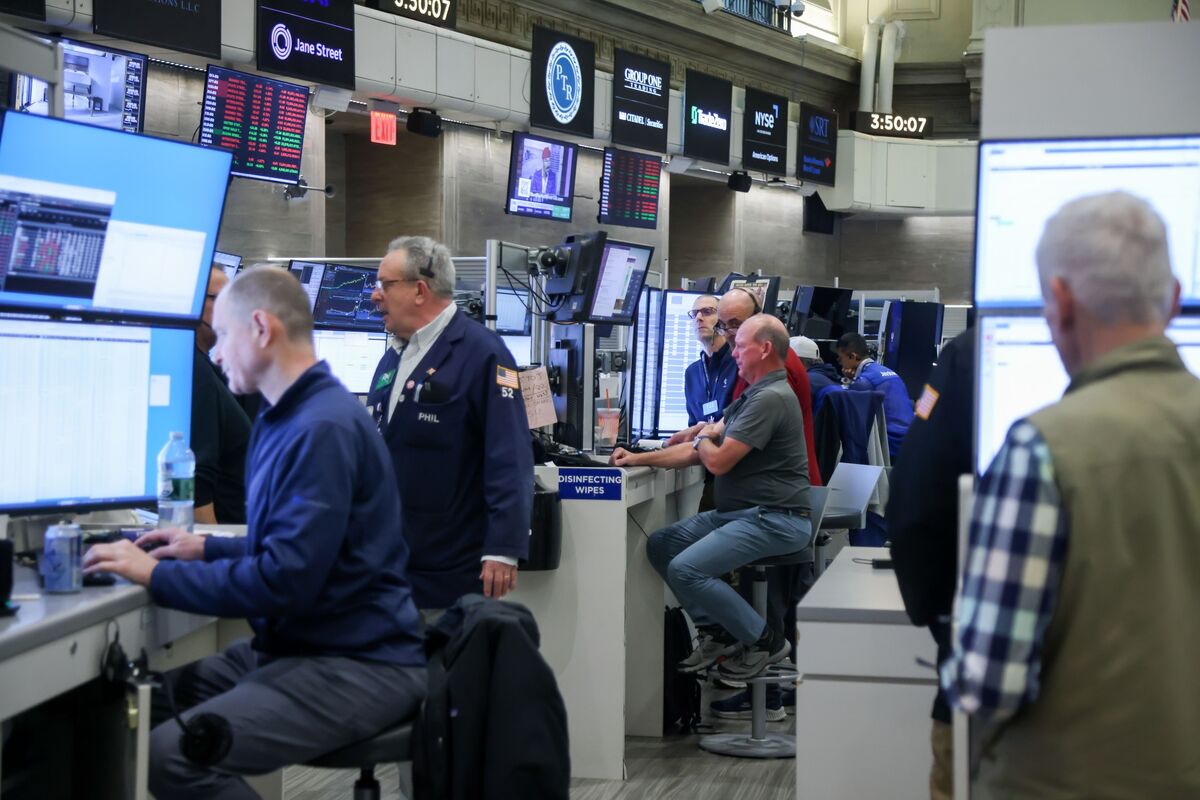
The S&P 500 rose 7% over seven consecutive winning sessions, marking its best weekly advance since November and a second straight weekly gain of more than 3%, the first such streak since 2022. Despite the rally, the article emphasizes that investors are buying without strong enthusiasm, suggesting risk appetite remains restrained. The move appears tied in part to hopes that the Iran ceasefire will hold.
The key signal is not the index level; it is the quality of participation. A multi-day grind higher with muted enthusiasm usually means systematic flows and short covering are doing the heavy lifting while discretionary money is still underinvested, which makes the tape fragile but not immediately bearish. In that setup, the first easy upside tends to come from names and factors that were most crowded on the wrong side of the move rather than from broad beta. Geopolitics is acting more like a volatility suppressor than a durable risk-on catalyst. If the ceasefire holds, realized vol should keep drifting lower over the next 1-3 weeks, which mechanically benefits short-vol sellers and any crowded hedges that are getting monetized; but the market is also buying insurance cheaply because it does not fully trust the truce. That asymmetry matters: a single adverse headline can reprice risk fast, while the upside path likely remains slower and more selective. The contrarian read is that this is less a new bull leg than a position reset after a fear-driven de-risking. That argues for tactical upside in cyclicals and high beta only while breadth improves, but it also favors fading complacency in crowded defensives and long-vol proxies once the initial relief bid matures. In other words, the first-order trade is chasing a rally; the second-order trade is positioning for the next volatility spike once the market stops rewarding the peace dividend.
AI-powered research, real-time alerts, and portfolio analytics for institutional investors.
Request DemoOverall Sentiment
neutral
Sentiment Score
0.05
