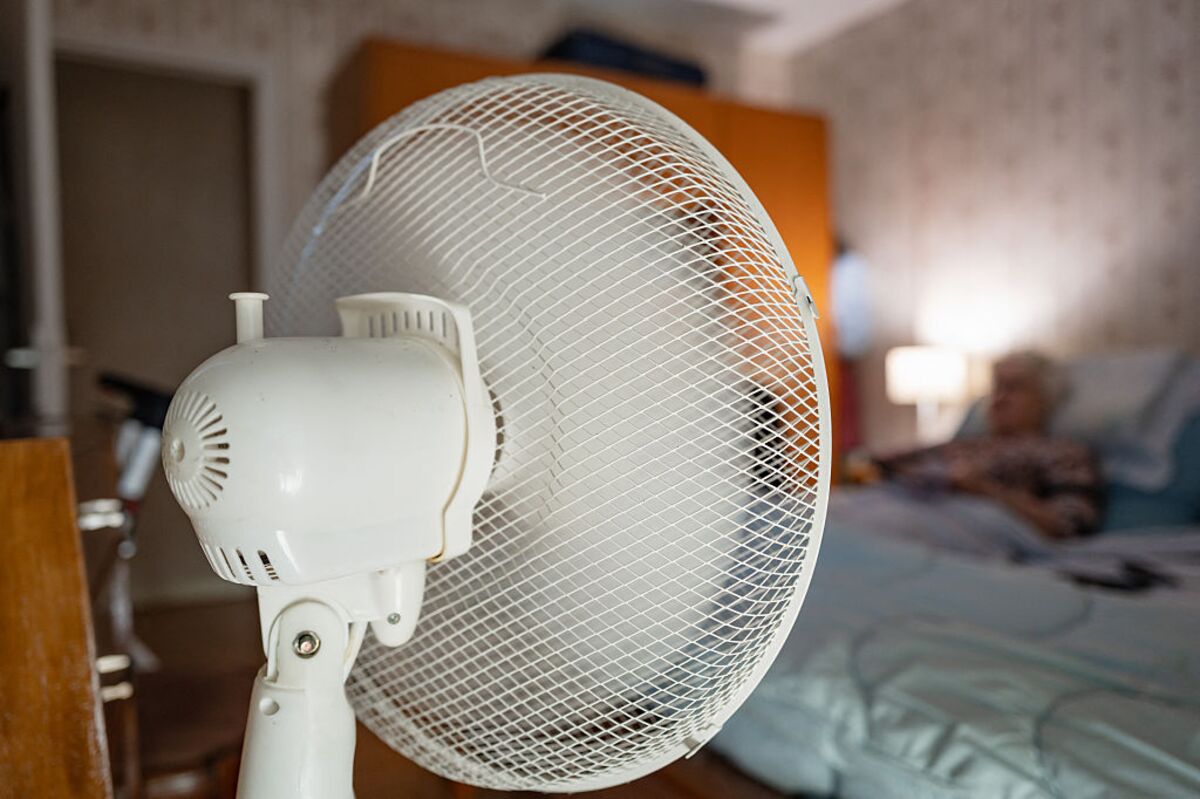
France recorded about 1,000 excess deaths this week as an exceptional heat wave pushed daily fatalities above 1,400 on Thursday and Friday, versus 900 to 1,000 in April and May. Public health officials said the total is likely to be revised higher because the data currently cover only about 60% of deaths nationwide. The heat wave is sweeping across Europe and represents a material public-health shock with potential broader economic disruption.
The immediate market read-through is not “hot weather” but a temporary shock to labor supply, logistics reliability, and near-term consumption mix across Southern Europe and France. The second-order impact is that discretionary outdoor spending, construction activity, and last-mile delivery efficiency can soften for days to weeks, while utilities and grid operators face a short-lived demand spike from air conditioning and cooling loads. The more important macro point is that mortality and morbidity data tend to lag the real economic hit, so the broader slowdown in hours worked and absenteeism can show up in payroll-sensitive sectors before it appears in official macro prints.
The beneficiaries are mainly defensive and capex-light businesses with weather-linked demand: utilities, packaged beverages, personal care, and select HVAC/indoor comfort names. Losers are insurers with concentrated property/health exposure, hospitality operators in heat-impacted regions, and labor-intensive logistics networks that already run on thin service levels. There is also a supply-chain angle: if road and rail throughput deteriorate, just-in-time inventories in perishable food, pharma distribution, and temperature-sensitive chemicals can face localized disruption even without a headline infrastructure event.
The key tail risk is duration: a multi-week heat regime can convert a transient consumer drag into a broader margin event via overtime pay, absenteeism, and higher energy costs, especially if power prices spike or nuclear/hydro availability is constrained. The reversal case is straightforward: a return to seasonal temperatures within 7-10 days would unwind most of the defensive premium, making outright macro shorts low-conviction unless the heat becomes persistent. The contrarian view is that the market may overestimate the structural damage—Europe has adapted much better to heat over the last decade, and unless this cascades into power-system stress, the earnings impact may be more sectoral than market-wide.
AI-powered research, real-time alerts, and portfolio analytics for institutional investors.
Request DemoOverall Sentiment
strongly negative
Sentiment Score
-0.60
