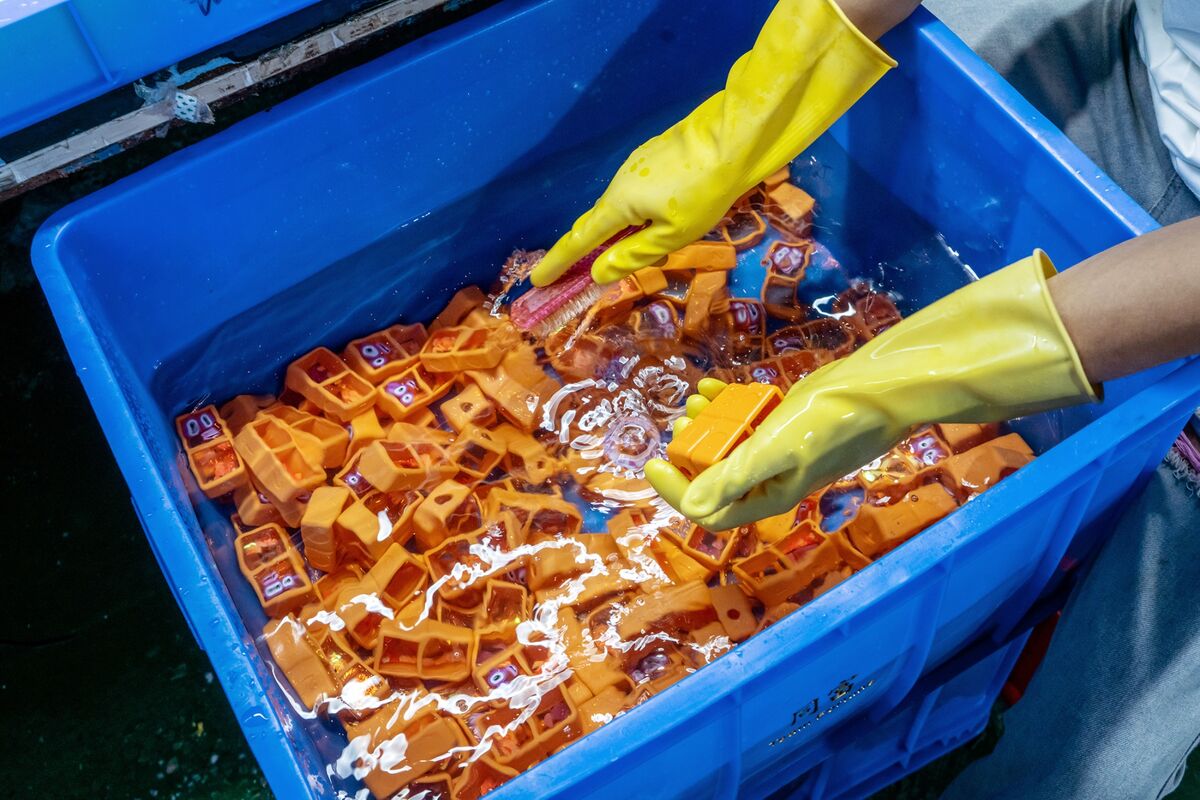
A Chinese toy manufacturer, Ah Biao, has relocated production to Vietnam to circumvent a significant increase in US tariffs on Chinese goods, which rose from 54% to 145%. This strategic shift, involving the transfer of heavy manufacturing molds, exemplifies how companies are adapting to escalating trade tensions by diversifying supply chains to maintain global market access and evade punitive levies.
A Chinese toy manufacturer's decision to relocate production to Vietnam is a direct and defensive response to a severe escalation in US trade policy, specifically a tariff hike from 54% to 145% in early April. This strategic shift, which involved the significant logistical challenge of moving 90 sets of heavy manufacturing molds, exemplifies the tangible, real-world impact of geopolitical tensions on global supply chains. The action underscores a broader trend of companies diversifying away from China to mitigate tariff-related risks and maintain access to the American market. The strongly negative sentiment signal (-0.6) accurately reflects the disruptive and costly nature of such forced relocations, which are undertaken for survival rather than for offensive growth. This case serves as a potent micro-level example of the supply chain reconfigurations being driven by macro-level trade disputes.
AI-powered research, real-time alerts, and portfolio analytics for institutional investors.
Request DemoOverall Sentiment
strongly negative
Sentiment Score
-0.60
