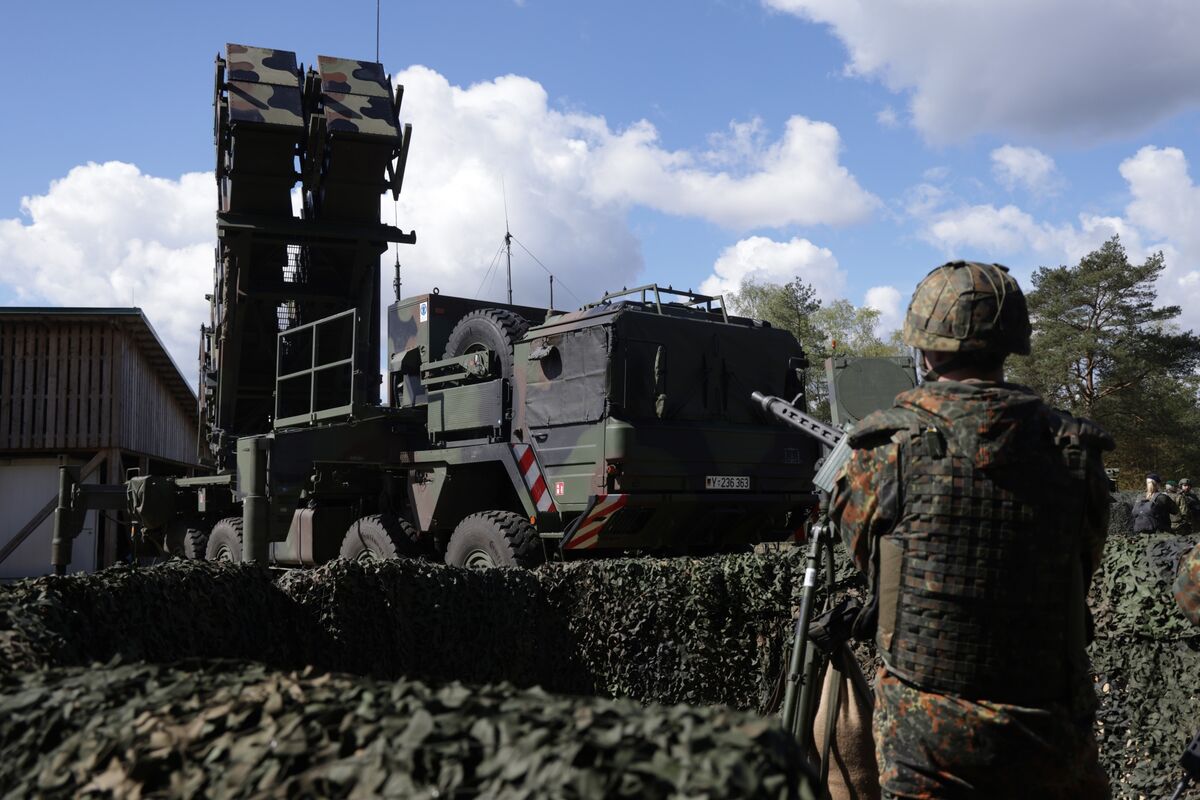
The US is reportedly declining to provide air defense support for a UK and France-led "reassurance force" planned for postwar Ukraine, despite British Prime Minister Keir Starmer's insistence on a US backstop to deter Russian ceasefire violations. Sources indicate President Trump is unwilling to offer the guarantees sought by European allies for this coalition.
The United States is reportedly withholding air defense support for a proposed UK and France-led 'reassurance force' in postwar Ukraine, a development carrying moderately negative sentiment (score -0.55) and an uncertain tone. This refusal persists despite assertions from figures like British Prime Minister Keir Starmer, who deems a US backstop critical for deterring potential Russian aggression against future ceasefire agreements. According to sources familiar with private discussions, European allies perceive that a US administration under President Donald Trump will not extend the security guarantees they seek for this 'coalition of the willing.' This situation points to a potential shift in transatlantic security dynamics, placing a greater onus on European nations for regional defense and potentially impacting defense spending priorities, contributing to a moderate potential market impact (score 0.55) stemming from increased geopolitical uncertainty in the region.
AI-powered research, real-time alerts, and portfolio analytics for institutional investors.
Request DemoOverall Sentiment
moderately negative
Sentiment Score
-0.55
