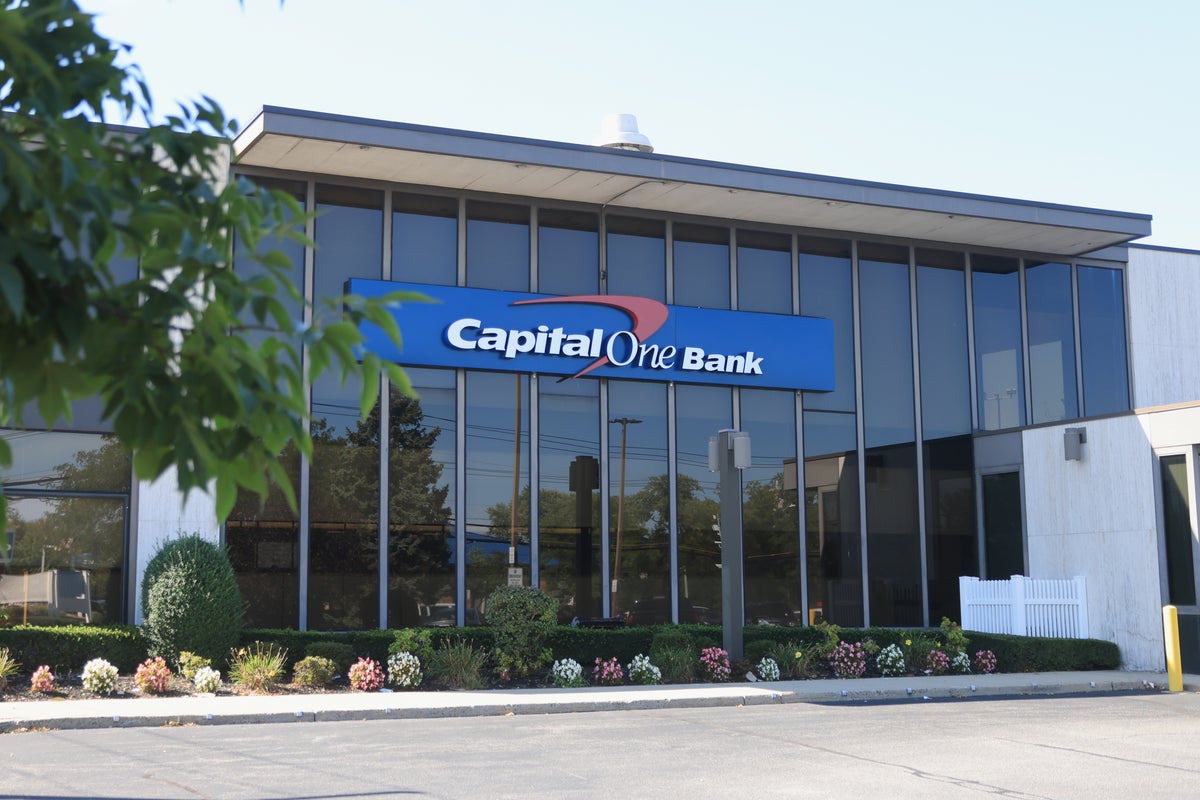
Capital One received final approval for a $425 million settlement resolving claims it misled 360 Savings customers about interest rates versus its 360 Performance Savings account. Affected customers who held 360 Savings accounts between September 18, 2019 and June 16, 2025 are automatically eligible, with checks mailed if payments are at least $5. The settlement also requires Capital One to match interest rates on deposits for both savings products.
This is a reputational and conduct-risk event more than a balance-sheet event, but it matters because retail deposit pricing is one of the few places banks can silently tax customer inertia. The settlement effectively validates that deposit franchises with weak rate discipline can face retroactive liability when a rate dispersion becomes visible enough for plaintiffs and regulators to weaponize. That raises the cost of “sticky deposit” strategies across the industry, especially for large consumer banks that rely on brand, scale, and low customer engagement rather than best-in-class pricing.
Second-order, the real loser is not just the named bank but the entire cohort of deposit-heavy retail franchises that compete on convenience while paying below-market rates. If rate matching becomes a de facto compliance expectation, banks with wide deposit beta advantages will see margin compression in the next 2-4 quarters as they are forced to share more of the policy-rate benefit with customers. The beneficiary set includes online-only banks and cash-management platforms, which can now market themselves not just on yield but on fairness and transparency — a subtle but important acquisition edge in a world where customer churn is otherwise low.
The key catalyst risk is that this remains a one-off legal resolution unless regulators or class-action firms generalize the theory to other legacy deposit products. If that happens, the pressure could broaden into a multi-year repricing of consumer deposits across the sector, particularly if the next Fed easing cycle widens public scrutiny of how quickly banks pass through cuts. The contrarian point: the market may overestimate the earnings hit from the cash payout and underestimate the stickiness of the franchise; for the largest incumbents, the bigger impact is likely on future NIM compression and compliance overhead, not the settlement itself.
AI-powered research, real-time alerts, and portfolio analytics for institutional investors.
Request DemoOverall Sentiment
mildly positive
Sentiment Score
0.15
