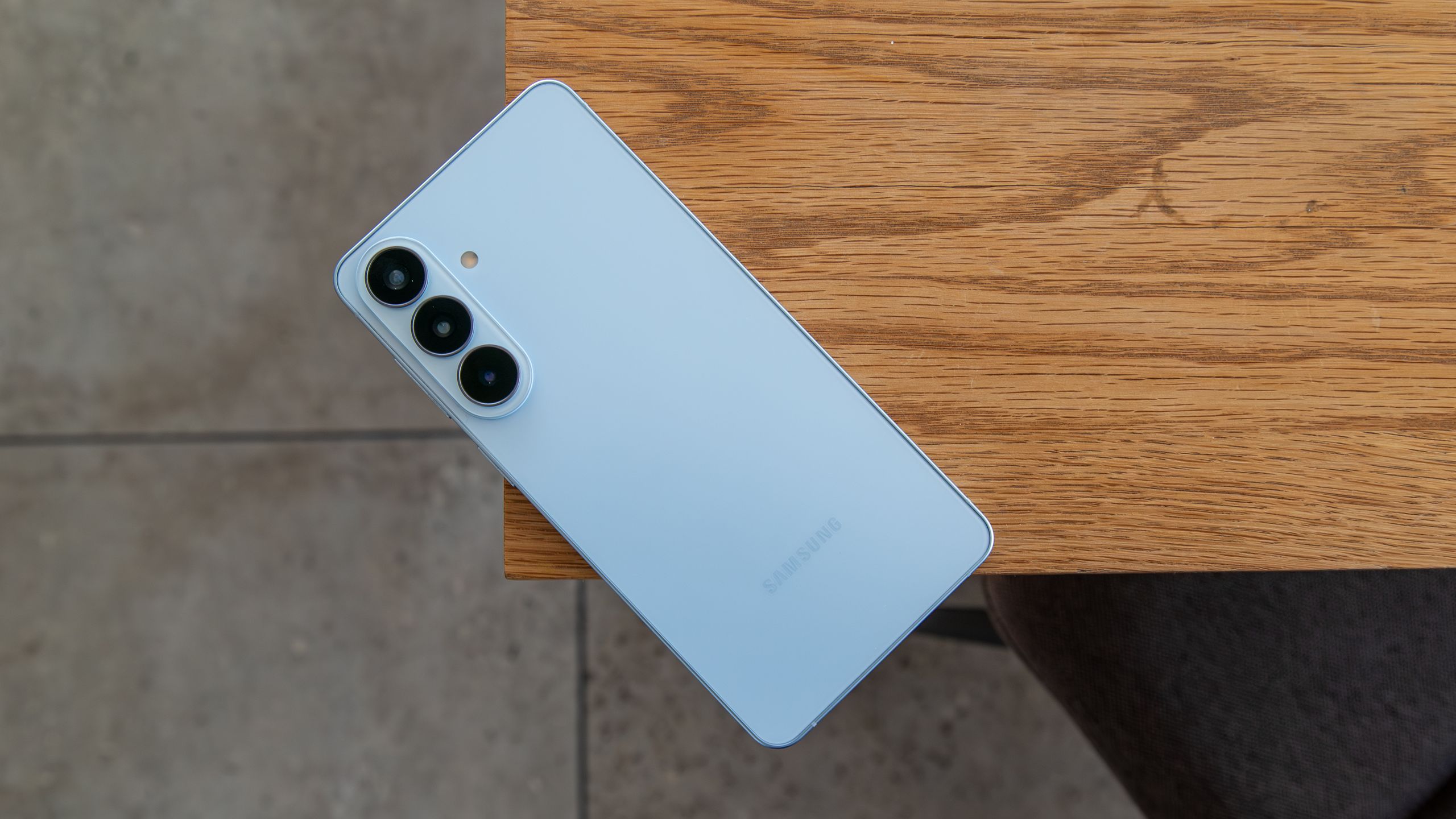
Samsung’s Galaxy S27 storage upgrade is only a rumor for now, with UFS 5.0 potentially limited to some models rather than the full lineup. The report says Samsung is weighing price and mass-production costs, while UFS 5.0 is expected to deliver sequential speeds up to 10.8GB/s and better security. The likely impact is modest unless the company confirms a broader rollout or a concrete launch plan.
The market should treat this as a margin-management signal, not a product signal. If Samsung is selectively upgrading only the top-tier model, it is implicitly prioritizing bill-of-material efficiency across the volume mix while preserving a halo feature for ASP defense; that tells you the company is still protecting unit economics in a handset market where premium specs increasingly cannibalize gross margin before they create enough demand lift.
The second-order effect is on the storage supply chain, not the handset headline. A partial adoption path reduces near-term uplift for UFS vendors and keeps pricing power muted until a broader platform transition is forced by the next AI-on-device cycle; the real catalyst would be a meaningful increase in local inference workloads, not faster file transfers. If that workload shift stalls, this becomes a feature-deflation story: higher costs for Samsung with limited incremental consumer willingness to pay, which should keep the upgrade cadence uneven across the lineup.
For competitors, selective adoption creates a wedge opportunity. If Samsung reserves the best parts for the Ultra-class device, mid-tier Android OEMs can avoid a costly spec arms race and instead market battery life and price/value, while Apple can continue framing storage speed as “good enough” unless it needs to support more on-device AI features. The contrarian view is that the market may be overestimating the earnings impact of new storage standards; historically, storage-speed upgrades matter most when they unlock a new software workload, and absent that, they are mostly a refresh-cycle marketing lever.
Timing matters: this is a months-ahead thesis with low conviction until component procurement and launch-channel leaks improve. The main risk to the bearish margin read is that Samsung uses UFS 5.0 as a premium segmentation tool to defend Ultra pricing and mix, which could support ASPs even if volumes stay flat. The upside case for suppliers only becomes credible if UFS 5.0 expands beyond the Ultra into the broader flagship family or if Android OEMs signal a synchronized AI-memory upgrade cycle.
AI-powered research, real-time alerts, and portfolio analytics for institutional investors.
Request DemoOverall Sentiment
neutral
Sentiment Score
0.05
