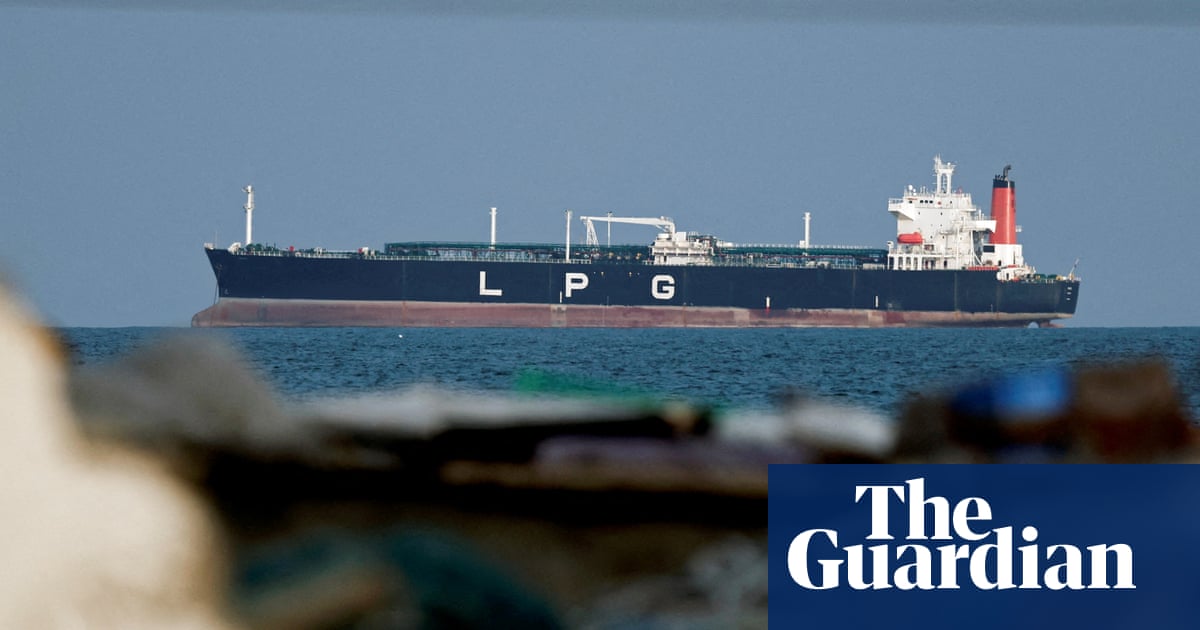
Effective closure of the Strait of Hormuz has produced the largest oil supply disruption in history, with 16 tankers attacked and Iranian threats to target vessels bound for the US, Israel or allies. The US has urged allied naval deployments but responses are tentative—no US escorts so far, France refuses deployment, and the EU Aspides mission currently comprises 3 ships—leaving the security response fragmented. Expect higher oil price volatility and elevated risk premia for energy, shipping and related supply chains; any further escalation would have market-wide ramifications.
The immediate market transmission is less about crude barrels sitting on a tanker and more about a sudden re-pricing of maritime risk: war‑risk insurance, time‑charter and spot freight for VLCC/Suezmax, and bunker fuel demand. In similar Middle East flare‑ups, VLCC spot rates spiked 25–70% within 2–6 weeks even as some owners pulled tonnage out of the most exposed lanes; expect a compressed availability premium for insured carriers and a 4–8% incremental lift to delivered crude costs in Europe/Asia from longer voyages and higher bunkers over the next 30–90 days.
Over 3–12 months, persistent disruption will shift the shape of inventories (more tank storage arbitrage, longer in‑transit crude), accelerate decoupling of critical goods from shortest Gulf routes, and force incremental capex into pipeline and LNG/LPG routing alternatives. A naval escort mission that reduces incidents could unwind at least 40–60% of the insurance/freight premium within weeks, while a mine or tanker loss that results in chokepoint closure would move this from a supply shock to a structural reroute (months–years) with much larger price and real‑economy impacts.
Second‑order winners are owners of insured, well‑flagged tanker capacity who can command premium freight and storage operators able to monetize contango; losers include shippers with tight just‑in‑time inventories, regional refiners reliant on Gulf feedstock without flexible crude slate, and P&C insurers/reinsurers exposed to concentrated claims. Expect a tactical procurement cycle: more firm crude cargoes with destination flexibility, rushed investments in mine‑countermeasure systems and sovereign strategic stockpile purchases — all of which create discrete windows for tradeable alpha over the next 3–9 months.
AI-powered research, real-time alerts, and portfolio analytics for institutional investors.
Request DemoOverall Sentiment
strongly negative
Sentiment Score
-0.80
