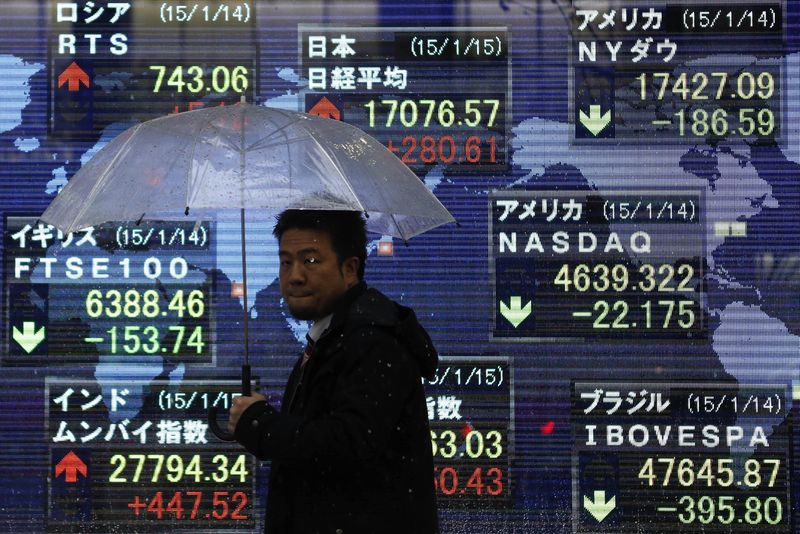
Asian equities rallied, with Japan's Nikkei 225 up as much as 3.3% to a record 65,408.87 and the TOPIX hitting an all-time high at 3,953.89. Gains were driven by AI and semiconductor names, while Nasdaq futures rose more than 1% in Asian trading on continued rotation into chipmakers. Risk appetite improved after Trump said a U.S.-Iran memorandum to reopen the Strait of Hormuz was largely negotiated, sending Brent crude down more than 4% to below $100 a barrel on hopes of easing Middle East tensions.
The cleanest read-through is that markets are being forced to price a lower near-term volatility regime, and that benefits high-duration assets most: semis, AI infrastructure, and Japan’s capex-heavy cyclicals. The move in Japanese chip-adjacent names is not just beta to U.S. semis; it reflects a squeeze in one of the market’s most crowded underweights, where domestic allocators had lagged the AI/automation theme and are now chasing performance. That creates follow-through risk for suppliers to semiconductor equipment, power management, and factory automation, especially in Japan where the policy backdrop remains supportive for capex and shareholder returns.
The oil move matters more for inflation expectations than for energy equities. A sharp drop in crude reduces immediate rate-pressure tail risk and mechanically supports long-duration growth multiple expansion, but it also removes one of the few macro brakes on risk-taking; that can extend the rally in index-heavy tech even if earnings breadth remains narrow. The second-order loser is the energy complex’s implied volatility: if the market starts to believe the Strait-of-Hormuz risk premium is unwindable, downside in crude can overshoot fundamentals for several sessions, but the headline risk is asymmetric because any failed negotiation would reinsert a fast-moving geopolitical bid.
Consensus may be underestimating how fragile the peace narrative is relative to positioning. This kind of tape typically produces a one- to three-day relief rally followed by a headline-driven retracement if there is no formal progress, so chasing index beta here is lower quality than owning the second-order beneficiaries of lower rates and cheaper energy. The best setup is to fade outright oil beta while staying long the beneficiaries of disinflation and AI capex, because the market is likely to keep rotating toward secular growth as long as inflation prints stay contained.
The broader risk is that lower oil prices can be read as a growth scare if they are accompanied by weaker global demand data; for now, that is not the tape, but it becomes relevant over the next 4-8 weeks if Chinese and U.S. economic prints soften. In that scenario, semis likely remain resilient relative to industrial cyclicals, but the breadth of the rally would narrow and any disappointment in chip guidance could trigger a sharp factor unwind.
AI-powered research, real-time alerts, and portfolio analytics for institutional investors.
Request DemoOverall Sentiment
mildly positive
Sentiment Score
0.48
