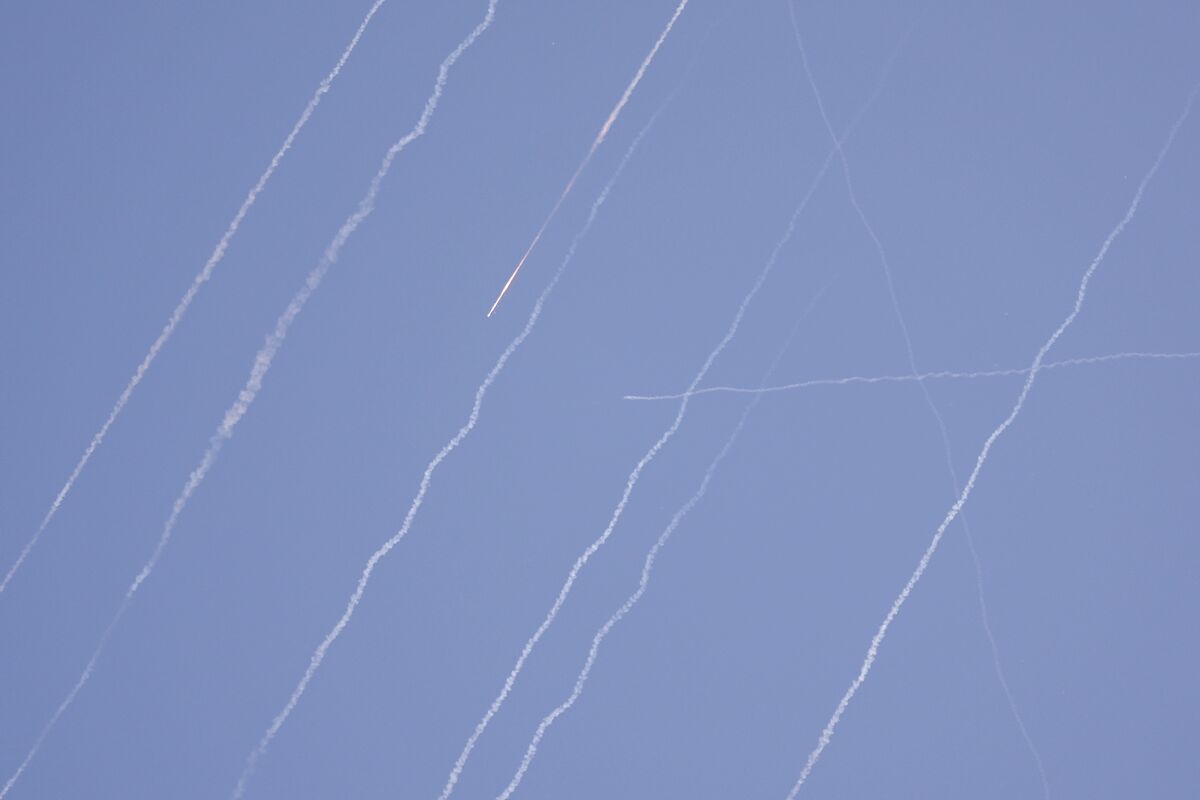
Following US strikes on Iran's nuclear sites, the Australian government has urged de-escalation, dialog, and diplomacy. While Prime Minister Albanese has yet to comment, a government spokesperson stated that Iran's nuclear and ballistic missile program poses a threat to international peace and security, signaling a cautious but concerned response from Australia to the escalating tensions.
Recent US military strikes on Iran's primary nuclear facilities have significantly elevated geopolitical risk, a development reflected by a strongly negative sentiment score (-0.6) and a high market impact score (0.75). The Australian government's response encapsulates the current global uncertainty; while officially calling for de-escalation and diplomacy, a spokesperson also reiterated the view that Iran's nuclear program constitutes a threat to international security. This dual-track messaging from a key US ally highlights the delicate diplomatic situation and the potential for rapid escalation, with the US threatening further attacks. The dominant themes of "Geopolitics & War" and potential "Sanctions & Export Controls" suggest that markets will primarily price in risks related to energy supply disruptions from the Middle East, increased defense spending, and a general flight to safety, contributing to heightened cross-asset volatility.
AI-powered research, real-time alerts, and portfolio analytics for institutional investors.
Request DemoOverall Sentiment
strongly negative
Sentiment Score
-0.60
