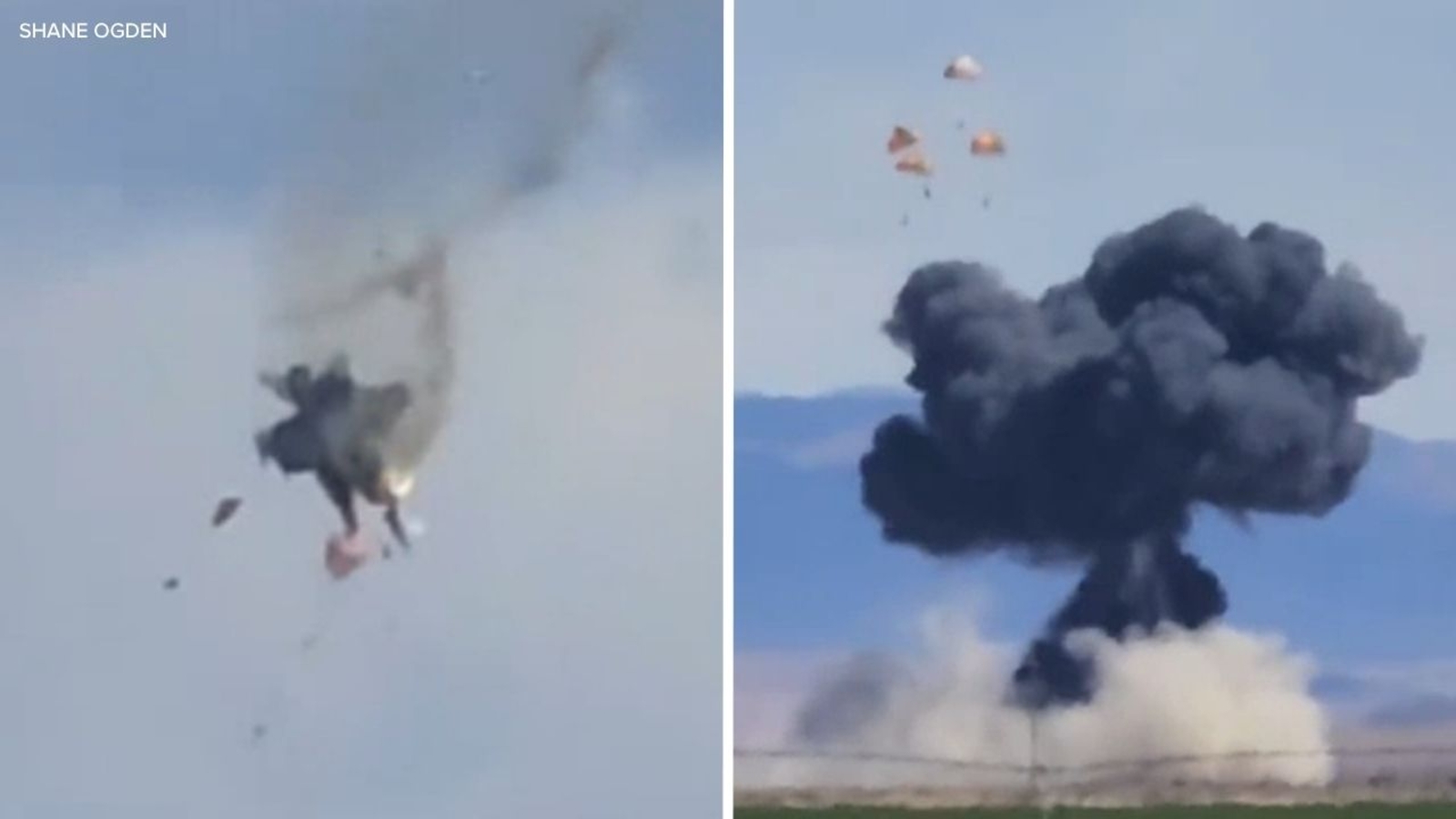
Two U.S. Navy EA-18G Growlers collided and crashed during an air show at Mountain Home Air Force Base in Idaho, but all four crew members ejected safely and were being evaluated. The base was locked down and the incident is under investigation; no one on the ground was injured. The event adds to air-show safety concerns, though the direct market impact is likely limited.
The immediate market read is not about airline or defense demand, but about operational credibility in a highly visible military demonstration channel. A mishap like this tends to tighten scrutiny on low-altitude formation work, which can temporarily raise training friction, flight-hour review time, and event approval thresholds across the broader air-show ecosystem. The most exposed economic winners are not obvious primes, but adjacent safety, simulation, and inspection vendors that benefit when operators substitute live-risk maneuvering with higher-fidelity training and more conservative show profiles.
Second-order risk is reputational rather than budgetary: even without fatalities, any high-profile public incident can slow the already fragile air-show calendar over the next 1-2 quarters as sponsors, bases, insurers, and local organizers reassess liability. That matters for local travel/leisure spend at hosting venues and for vendors tied to event logistics, temporary infrastructure, and concessions, which see revenue concentration around a narrow seasonal window. If investigators flag procedural or wind-envelope issues, the fallout could extend into defense training doctrine and readiness debriefs, increasing oversight costs more than hardware procurement.
The contrarian angle is that the overreaction may be short-lived because survivable ejections materially cap the downside versus a fatality event, and the industry has been trending toward stricter safety controls for years. That makes this more of a sentiment shock than a fundamental demand destruction event for defense procurement. For markets, the bigger tradable signal is whether the incident becomes part of a broader pattern of flight-safety scrutiny; absent that, the likely reset is localized and temporary rather than sector-wide.
On the weather angle, the reported wind conditions provide a reminder that even sub-30 mph gusts can matter in precision demo flying, so any further incidents in the next few weeks would likely be interpreted as an operational regime shift rather than bad luck. If the investigation is fast and narrow, the event could actually reinforce demand for simulation and mission rehearsal tools that reduce live-demo exposure while preserving training intensity.
AI-powered research, real-time alerts, and portfolio analytics for institutional investors.
Request DemoOverall Sentiment
mildly negative
Sentiment Score
-0.15
