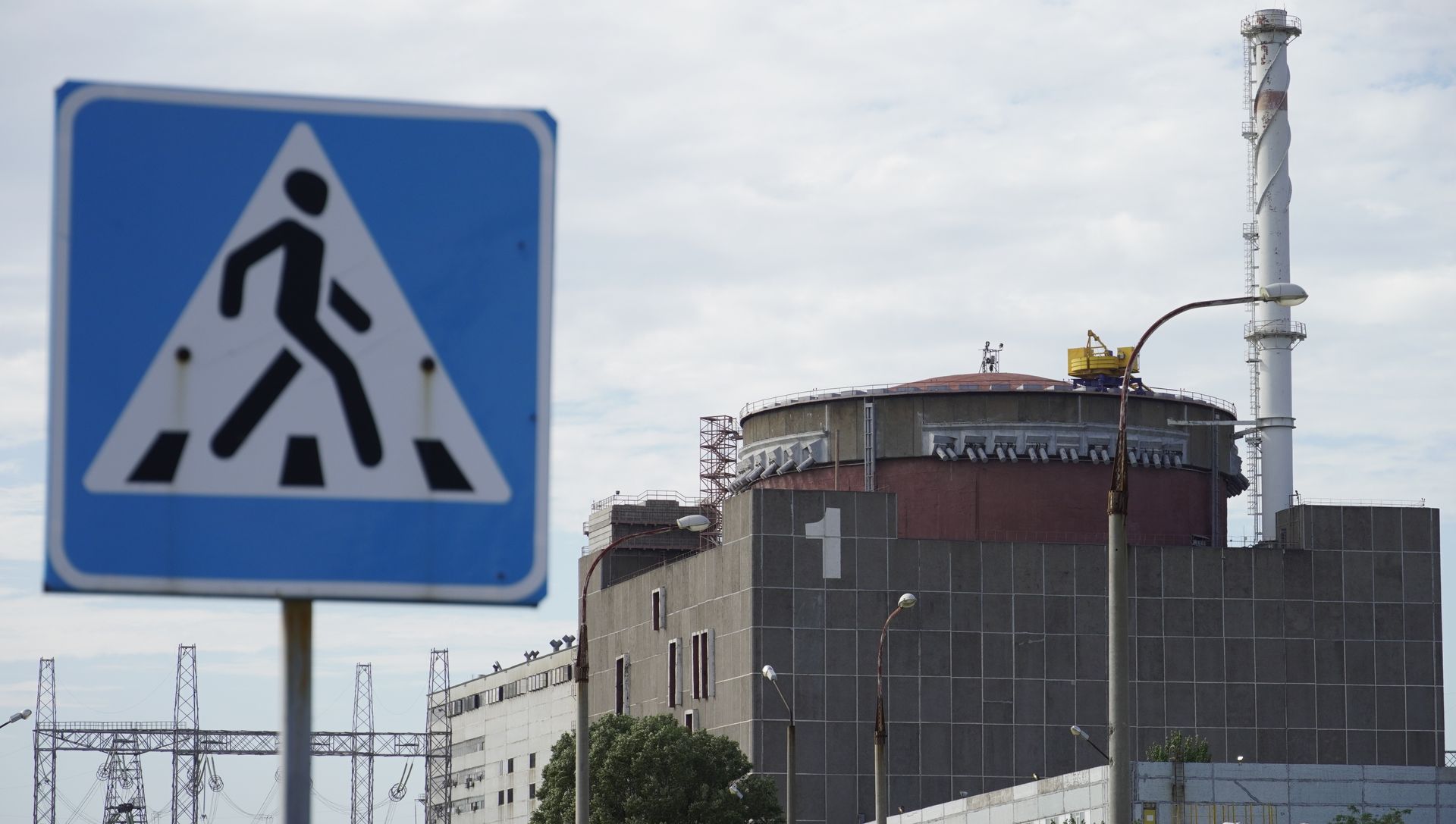
The Zaporizhzhia nuclear plant has depended on a single off-site backup power line for more than seven weeks, with three total losses of off-site power since March 24, underscoring elevated nuclear safety risk in occupied Ukraine. Ukraine also reported 55 strikes overnight on 23 military targets in Crimea, Berdiansk, and Luhansk, while Russian mortgage subsidies in occupied territories will continue until the war ends, reinforcing Moscow's long-term occupation plans. Separately, Kyiv said it brought back 15 children from occupied areas amid ongoing allegations of child abductions and coercive Russification.
The key market implication is not the headline violence but the gradual normalization of a war economy that is becoming more capital-intensive and more brittle at the same time. Repeated strikes on air defense, logistics, fuel, and radar assets inside occupied territory raise the cost of holding the front for Russia, while also forcing more inventory dispersion and redundant command-and-control. That typically improves survivability of small, mobile strike platforms and degrades the efficiency of fixed-point defense systems, a setup that favors the side with better ISR and cheaper attritable drones.
The Zaporizhzhia situation remains the most important tail risk because the market consistently underprices low-probability, high-consequence infrastructure failures until repair windows close. A single-line dependence for weeks implies the plant is operating with a narrow margin of error; any additional damage or repair delay converts a contained safety issue into a cross-border energy and political shock. The second-order effect is on regional power pricing and emergency response budgets rather than immediate generation assets, but the convexity is large: one forced shutdown or incident would hit sentiment far beyond Ukraine-related names.
The housing subsidy in occupied territories is a long-duration colonization trade, not a cyclical real estate story. Cheap mortgages for settlers suggest the Kremlin is trying to lock in demographic control, which implies persistent fiscal drain and a need for ongoing state support into years, not months. That is negative for Russian sovereign flexibility and suggests the occupation model is becoming structurally more expensive to maintain.
Consensus is likely underestimating how much this campaign is about exhausting Russian air-defense stocks and logistics depth rather than winning territory immediately. The more the front is punctured by low-cost drones, the more Russia must choose between defending rear-area nodes and preserving front-line coverage. That trade-off increases the chance of a sharp, nonlinear escalation in strikes on critical infrastructure, but it also raises the probability of political pressure for localized ceasefires around high-risk assets like the nuclear plant.
AI-powered research, real-time alerts, and portfolio analytics for institutional investors.
Request DemoOverall Sentiment
strongly negative
Sentiment Score
-0.75
