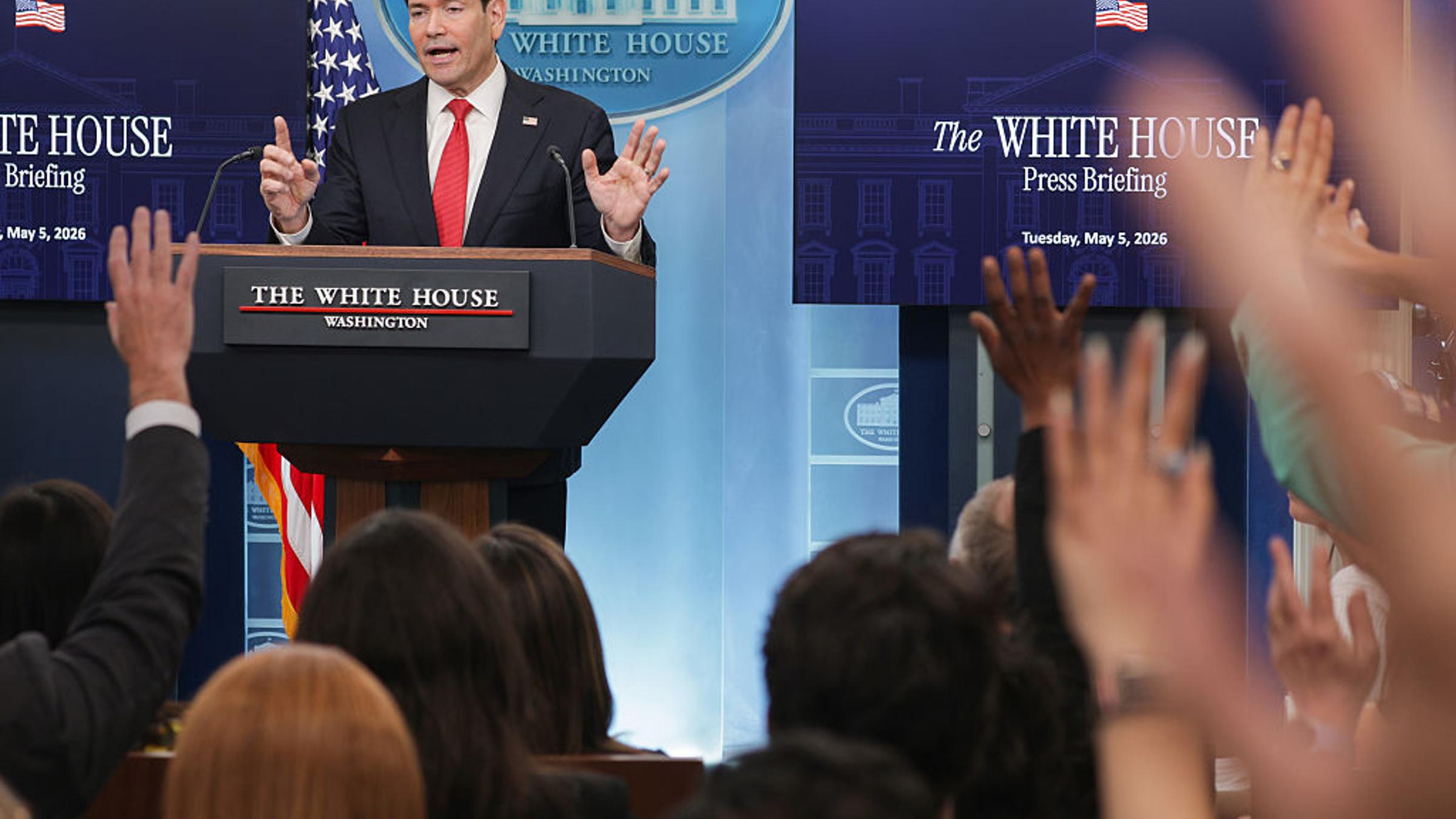
Rubio said Operation Epic Fury has ended and the U.S. is shifting to a defensive posture, but attacks and shipping disruptions in the Strait of Hormuz continue. Only two commercial ships have transited under U.S. protection since the Navy began carving out a narrow passage, versus roughly 130 per day before the war, underscoring a major energy and logistics bottleneck. The situation remains fragile, with global oil and freight markets still exposed to further escalation.
The market is likely underpricing the distinction between a hot war and a maritime attrition campaign. If the U.S. is truly shifting from offensive strikes to convoy protection, the immediate pricing driver becomes not crude supply loss but the duration of elevated insurance, rerouting, and inventory financing costs. That favors assets exposed to time charters, tanker scarcity, and defense readiness more than outright oil beta, because the first-order shock is throughput impairment rather than a clean production outage.
The second-order winner is any company with pricing power tied to ocean bottlenecks: LNG/shipping, tanker owners, and defense electronics/munitions suppliers. The loser set is broader and less obvious: European refiners, Asian chemical and industrials, and global retailers with just-in-time inventory are facing margin compression from higher freight and working-capital drag even if energy itself retraces. A prolonged “protective bubble” also absorbs U.S. naval capacity, which modestly raises the tail risk premium for other theaters and can support defense names on a 3-12 month horizon.
The key catalyst is whether transits normalize from a handful per week to a credible steady flow; until then, the market should assume episodic supply interruptions and a persistent geopolitical risk premium. What could reverse this is a negotiated framework that gives Iran a face-saving off-ramp and verifiable de-escalation at sea, which would hit shipping and defense first and unwind crude volatility second. The contrarian view is that the tradeable dislocation may be smaller than headlines imply because the U.S. is signaling limits to escalation, which reduces the odds of a full Hormuz closure but increases the odds of a long, noisy stalemate.
The cleanest expression is to own the bottleneck, not the barrel. A sustained convoy regime with low initial throughput supports freight and war-risk premiums longer than spot oil, especially if cargo owners begin building precautionary inventory and accepting higher voyage costs. That makes this more of a logistics squeeze than a commodity shock unless the conflict re-accelerates.
AI-powered research, real-time alerts, and portfolio analytics for institutional investors.
Request DemoOverall Sentiment
mildly negative
Sentiment Score
-0.35
