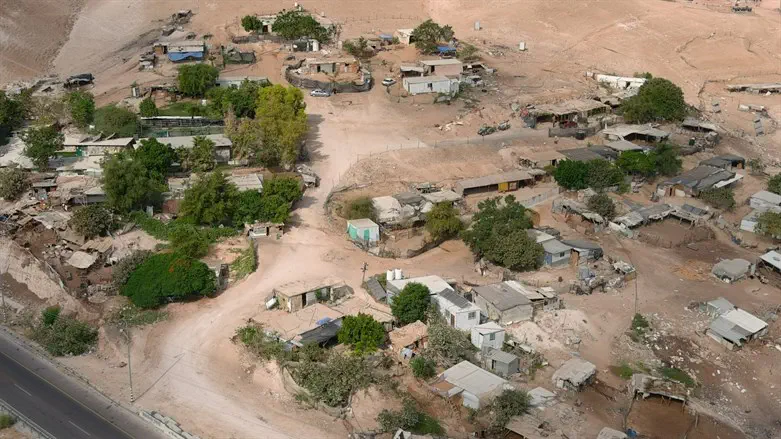
Nine Western governments issued a joint statement opposing Israel's settlement policy in Judea and Samaria, warning that construction in the E1 area would split the territory and amount to a serious violation of international law. The leaders also called for an end to settlement expansion, investigations into settler violence and alleged abuses by security forces, and relief from financial restrictions on the Palestinian Authority. The statement increases diplomatic pressure on Israel, but it is more likely to affect regional political risk than broader global markets.
The near-term market impact is less about direct asset repricing and more about an incremental increase in sanctions, procurement, and legal-friction risk around any entity exposed to West Bank settlement activity or Israeli sovereign risk premia. The first-order read is political theater, but the second-order effect is that capital allocators in Europe will increasingly treat settlement-linked construction, infrastructure, and financial services as compliance-tainted, which can widen funding spreads and reduce buyer depth for marginal projects over the next 3-12 months.
The more interesting transmission is through the Palestinian Authority and local banking/utility ecosystem: pressure to restore fiscal flows lowers the probability of an acute administrative collapse, which is modestly stabilizing for regional risk assets, but also creates a policy trap where any hardline Israeli response raises the odds of targeted Western restrictions. That asymmetry means the headline is bearish for Israeli domestic cyclicals tied to construction, land development, and consumer sentiment, while being neutral-to-slightly supportive for defense and security names if escalation rhetoric persists.
Contrarianly, the consensus may be overpricing the durability of diplomatic pressure and underpricing coalition resilience in Israel. If this becomes another high-noise, low-action episode, the dislocation in Israeli equities could mean revert quickly; however, if even one major European issuer starts restricting counterparties or pension flows, the impact compounds fast because financing for marginal housing and infrastructure is highly dependent on cheap, continuous capital. The key catalyst window is days for rhetoric, months for financing changes, and quarters for any real project delay or legal isolation.
The tail risk is not a broad regional war from this statement alone, but a stepwise hardening of Western legal posture that makes settlement-adjacent assets uninvestable and nudges Israeli domestic politics further toward policy entrenchment. That would keep a lid on multiple expansion in the real estate complex and increase headline volatility around any entity with direct or indirect exposure to the West Bank.
AI-powered research, real-time alerts, and portfolio analytics for institutional investors.
Request DemoOverall Sentiment
moderately negative
Sentiment Score
-0.30
