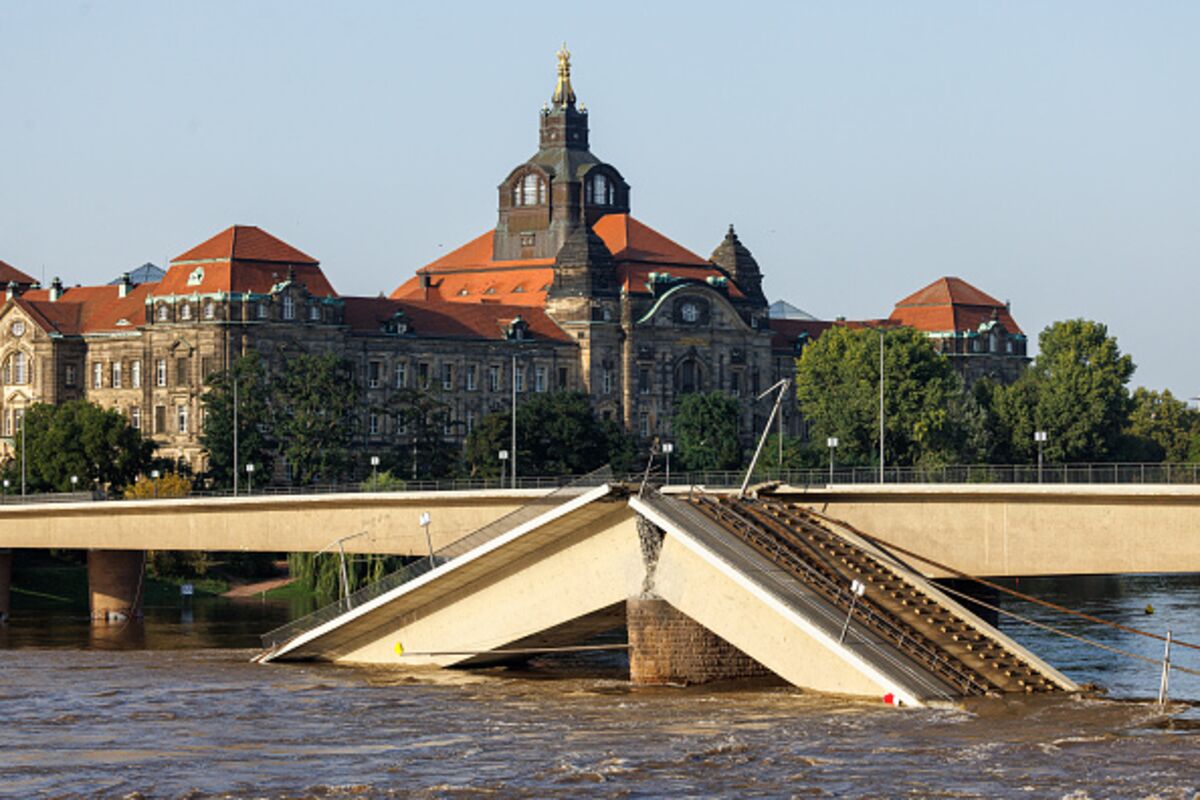
Germany's ambitious infrastructure rebuilding initiative, led by Chancellor Friedrich Merz following a September 2024 bridge collapse, is reportedly falling short of expectations. Despite the approval of a landmark spending package aimed at modernizing the nation's aging infrastructure, frustration is mounting six months later, indicating potential implementation challenges or a lack of tangible progress in the planned boom.
A landmark German infrastructure spending package, initiated by Chancellor Friedrich Merz following a critical bridge collapse in Dresden in September 2024, is reportedly failing to meet expectations. Six months after its approval, mounting frustration suggests that the anticipated infrastructure boom is not materializing as planned. This disconnect between the policy's intent—to bolster growth and modernize aging infrastructure—and its current execution introduces significant uncertainty. The moderately negative sentiment reflects concerns that this key fiscal stimulus may fall short, potentially dampening Germany's near-term economic growth prospects and delaying crucial infrastructure upgrades.
AI-powered research, real-time alerts, and portfolio analytics for institutional investors.
Request DemoOverall Sentiment
moderately negative
Sentiment Score
-0.55
