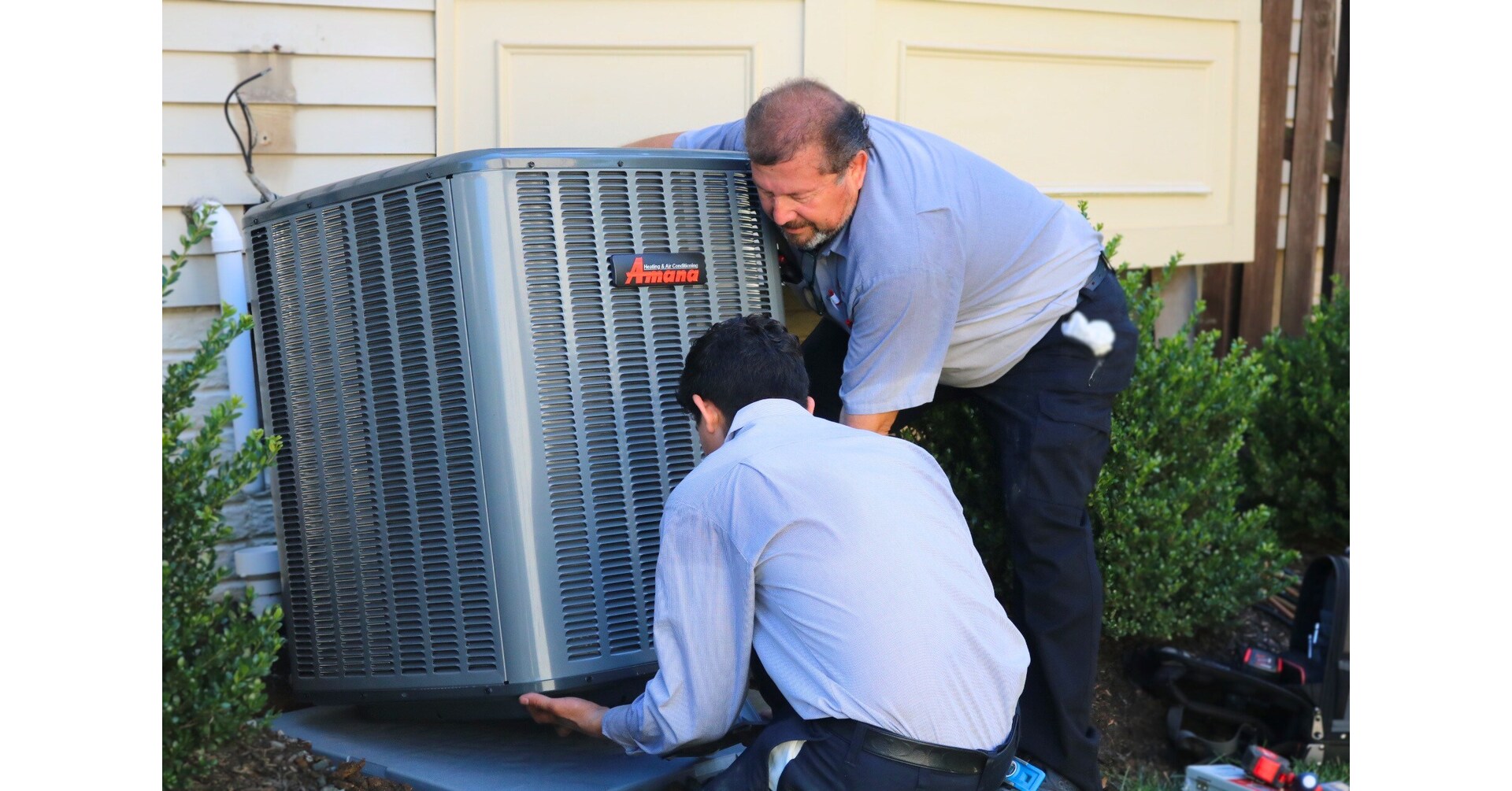
Cardinal Plumbing Heating & Air urges homeowners to prevent mid-summer AC failures, citing that 42% of homeowners reported HVAC issues in past heat waves. The article emphasizes that extreme heat increases cooling-system workload and can turn deferred maintenance into unexpected breakdowns, recommending filter cleaning/replacement, keeping condenser units debris-free, unobstructed vents, and scheduling professional inspections.
This is more a seasonal demand nudge than a differentiated information event. The only real market mechanism is that extended heat can pull forward small-ticket maintenance spend and lift emergency service calls, which marginally benefits service-heavy channels and aftermarket parts more than original equipment. For public names, that argues for a slight tailwind to HD and LOW via filters, thermostats, and contractor traffic, and to HVAC franchise names like JCI, CARR, TT, and LII if the heat persists long enough to convert maintenance into replacement.
The second-order effect is capacity, not just demand: when temperatures spike, the bottleneck is technician availability and appointment lead times, which often shifts economics toward higher-margin emergency service and away from lower-margin planned work. If the heat wave lasts 2-4 weeks, local service operators can see better utilization, but the trade is usually too small and too transient to move large-cap industrial multiples. If consumer budgets are tight, the message can also backfire by encouraging deferrals of full system replacement, which would favor repair revenue over unit sales.
Contrarian take: the market tends to overprice anything labeled as "heat-driven" because the incremental revenue is mostly low-dollar and already embedded in seasonal models. The better read-through would be on whether this heat episode is severe enough to create regional grid stress, which would matter more for utility load factors and demand-response names than for this company’s local advertising. Absent evidence of sustained abnormal temperatures or a step-up in residential HVAC order data, this is a watch item rather than a trade catalyst.
AI-powered research, real-time alerts, and portfolio analytics for institutional investors.
Request DemoOverall Sentiment
neutral
Sentiment Score
-0.05
