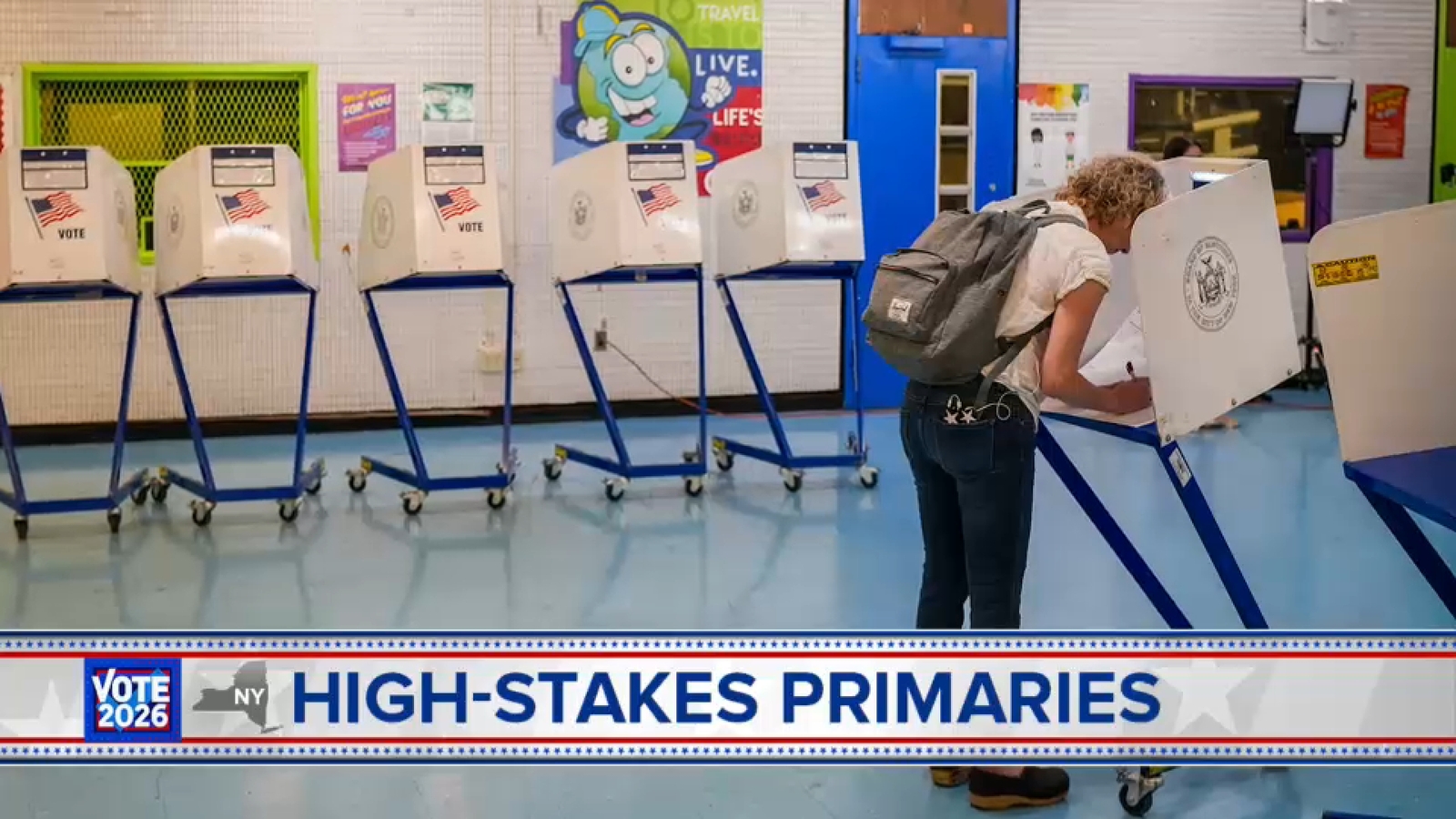
New York voters are casting ballots in several closely watched congressional primary races, including the 7th, 10th, 12th and 13th districts, with Mayor Zohran Mamdani backing candidates in three of them. The contests feature open seats, incumbents, and heavy spending, including millions from Michael Bloomberg in the 12th District race. The article is primarily political and has limited direct market impact.
The market-relevant signal here is not the individual House seats; it is whether New York City’s progressive machine can convert endorsement into turnout discipline. A clean sweep by the Mamdani-backed challengers would strengthen the thesis that local activist energy can still move down-ballot primaries in deep-blue urban districts, which raises the odds of more ideologically rigid representation and a more hostile posture toward moderates, real estate, and large-cap finance-adjacent interests over the next 12–24 months.
The second-order effect is on governance, not policy headlines. If the progressive lane wins even one or two visible races, establishment Democrats are likely to respond by shifting left in messaging while preserving donor-friendly economics underneath, creating a wider gap between rhetoric and legislative deliverables. That usually helps incumbents in districts with strong institutional support and hurts insurgents where turnout is lower than online enthusiasm suggests.
The key tail risk is that the signal gets overinterpreted. Primary electorates in New York are unusually low-turnout and heavily self-selected, so a progressive overperformance may not translate into general-election or national replication. If the establishment holds most seats, the takeaway becomes the opposite: endorsements from high-profile local executives remain weaker than union, money, and machine support, which would cool the market’s appetite for betting on a broader leftward policy shift.
Near term, this is a sentiment event rather than a fundamental one, but it can matter for sector positioning if investors start pricing in higher regulatory intensity around housing, banks, and large employers in the city. The most tradable setup is to fade any knee-jerk move that assumes a structural policy regime change unless there is evidence of sustained activist turnout beyond this cycle.
AI-powered research, real-time alerts, and portfolio analytics for institutional investors.
Request DemoOverall Sentiment
neutral
Sentiment Score
0.00
