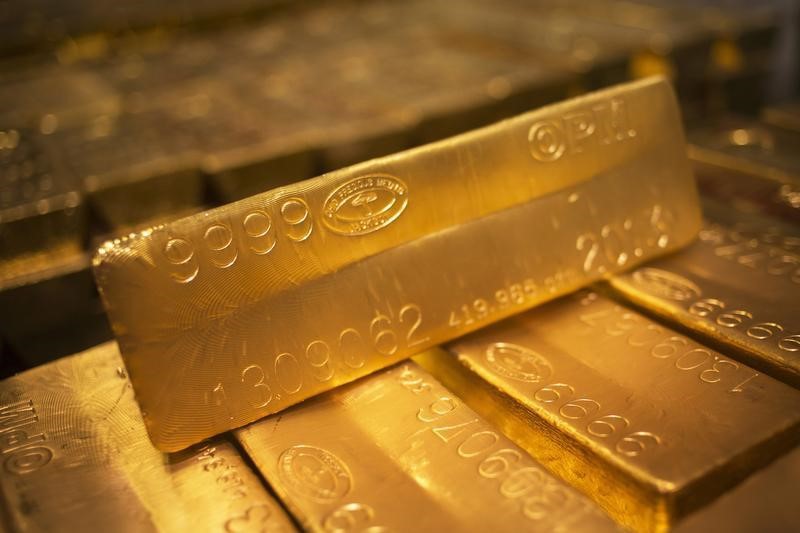
Gold fell 0.5% to $4,672.22/oz and was headed for a 3% weekly loss, with gold futures down 0.8% to $4,686.89/oz as dollar strength and Iran-war uncertainty pressured metals. Silver dropped 1.2% to $74.483/oz and platinum lost 1.0% to $1,992.72/oz, with both on track for deeper weekly declines as markets priced in inflationary risks and potentially higher interest rates. Trump said there was no rush for an Iran deal, while tensions around the Strait of Hormuz kept geopolitical and energy-inflation concerns elevated.
The market is repricing the Iran shock first through the dollar and real-rate channel, not the direct commodity channel. That matters because once DXY momentum turns, you can get a fast, mechanical reversal in precious metals even if geopolitical headlines stay ugly; the current setup looks more like a liquidity squeeze than a clean fundamental break in medium-term bullion demand.
Silver and platinum are the cleaner expressions of the unwind because they had the largest speculative extension and the weakest ability to hide behind central-bank demand. If the next 1-2 weeks bring any stabilization in shipping lanes or a softer energy tape, these metals could mean-revert faster than gold because their recent gains were more flow-driven and less macro-anchored; the risk is that a second leg higher in oil keeps inflation breakevens sticky and delays that bounce.
The more interesting second-order trade is into beneficiaries of persistent policy uncertainty, not just defense of havens. Higher-for-longer rate expectations can hit long-duration growth multiple names even if their end-market narratives remain intact, while energy volatility tends to favor firms with real operating leverage and balance-sheet resilience. In that context, semis with extreme multiple sensitivity are vulnerable to a broader risk-off de-rating if rates back up another 25-50 bps.
Contrarian read: the market may be overestimating how durable the dollar bid is if this remains a contained regional disruption rather than a genuine supply shock. If Hormuz remains partially disrupted but not fully closed, the initial inflation impulse can fade faster than positioning would suggest, creating a sharp reversal in crowded defensive trades and in anything implicitly short duration.
AI-powered research, real-time alerts, and portfolio analytics for institutional investors.
Request TrialOverall Sentiment
moderately negative
Sentiment Score
-0.45
Ticker Sentiment
