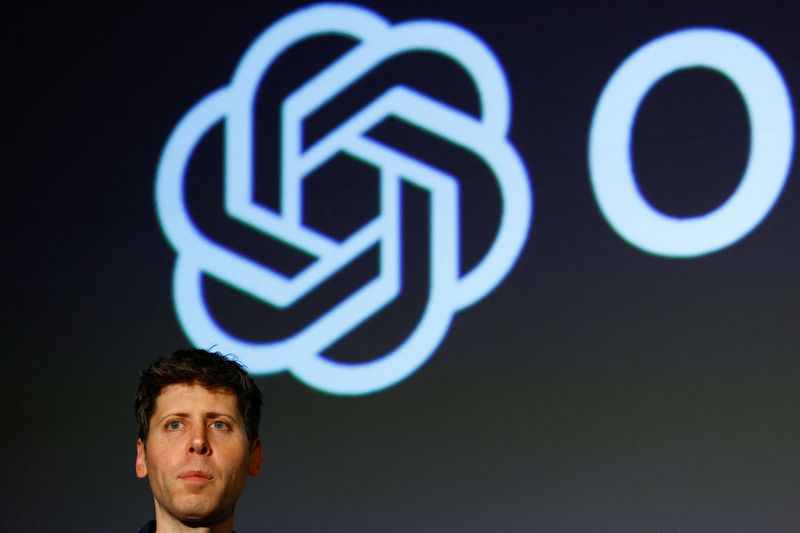
OpenAI plans to combine its ChatGPT app, Codex, and browser tools into a single desktop “superapp” within months while keeping the mobile ChatGPT app unchanged. Fidji Simo will lead the initiative alongside President Greg Brockman as the company refocuses on enterprise customers and emphasizes agentic AI capabilities to autonomously perform tasks. The move is a strategic product consolidation intended to simplify the user experience and better position OpenAI against rival Anthropic.
OpenAI’s move to a single desktop “superapp” is an infrastructure story masquerading as a product consolidation: agentic capabilities materially raise per-seat CPU/GPU and orchestration needs, which should lift near-term server refresh and enterprise cloud spend over the next 6–18 months. Expect a lumpy procurement profile — large enterprise pilots in Q3–Q4 that translate to multiyear contracts for datacenter hardware and managed services, but concentrated capex means upside is nonlinear and back-loaded.
Second-order winners are imbalance creators: high-density GPU vendors, systems integrators, and low-latency networking suppliers stand to capture outsized margin expansion while adtech and app-level monetization gains (AppLovin-style names) will see a much smaller, more gradual uplift tied to user engagement improvements rather than a direct lift from enterprise AI spend. At the same time, cloud providers and Anthropic-style competitors create bargaining power that could compress software ASPs and force OpenAI into promotional pricing or revenue share deals within 12–24 months.
Execution and regulatory risks are substantive and proximate. A botched consolidation (UX regressions, broken developer flows) can drive developer churn within 30–90 days and slow enterprise adoption; separately, rising GPU spot prices and supply tightness could widen gross margins for hardware sellers but raise TCO for buyers, slowing multi-cloud commitments. The practical window to capture the infrastructure lever is 6–18 months; beyond that, differentiation will be decided by model economics, pricing power, and enterprise-exclusive features rather than mere bundling.
AI-powered research, real-time alerts, and portfolio analytics for institutional investors.
Overall Sentiment
neutral
Sentiment Score
0.05
Ticker Sentiment
