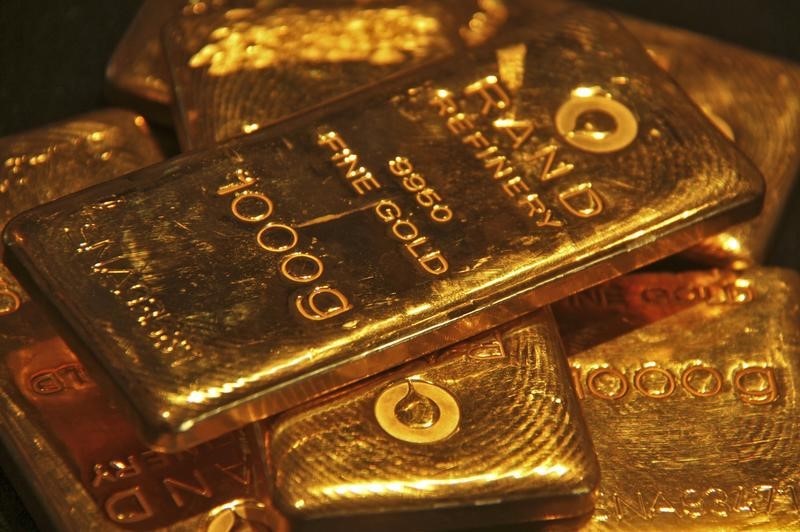
Gold rose 0.8% to $4,194.83/oz and U.S. gold futures gained 0.9% to $4,211.66 as markets weighed progress in U.S.-Iran talks against the Federal Reserve's hawkish stance. Iranian officials reported 'good progress' in Switzerland, easing oil-supply fears and pressuring crude, while lower energy prices modestly supported bullion by reducing inflation concerns. The U.S. Dollar Index remained near a 13-month high as investors await the PCE inflation report for further policy clues.
This is less a clean bullish gold setup than a cross-asset repricing of tail risk: the market is treating a lower-probability oil shock as partially removed, which reduces the embedded inflation optionality across commodities and rates. That matters because the most leveraged beneficiaries are not the obvious crude shorts, but duration-sensitive assets that were being hit by the same inflation scare premium. In other words, if diplomacy reduces the odds of an energy spike, the unwind should show up first in breakevens, front-end rate volatility, and defensive commodity hedges rather than in spot crude alone.
The second-order effect is that gold’s near-term path now depends more on real-rate expectations than on geopolitics. If the upcoming inflation print is soft enough to blunt the Fed’s hawkish bias, bullion can extend higher even with a firm dollar; if not, the metal likely fades back into a range because the market will keep pricing “higher for longer” while the geopolitical bid erodes. That creates a very asymmetric setup for miners and streaming names: spot can stay supported on headline risk, but equity multiples will be pressured if real yields back up another 20-30 bps.
The consensus may be underestimating how quickly peace-talk headlines can compress energy volatility without materially changing base-case supply. That is bearish for call buyers in crude and bullish for cyclicals that have been acting as implied hedges to an oil shock. The bigger mistake would be extrapolating this into a durable inflation regime shift; unless negotiations produce a formal, enforceable easing in flows, the market is likely just de-risking the left tail for days to weeks, not months to years.
AI-powered research, real-time alerts, and portfolio analytics for institutional investors.
Overall Sentiment
neutral
Sentiment Score
0.10
Ticker Sentiment
