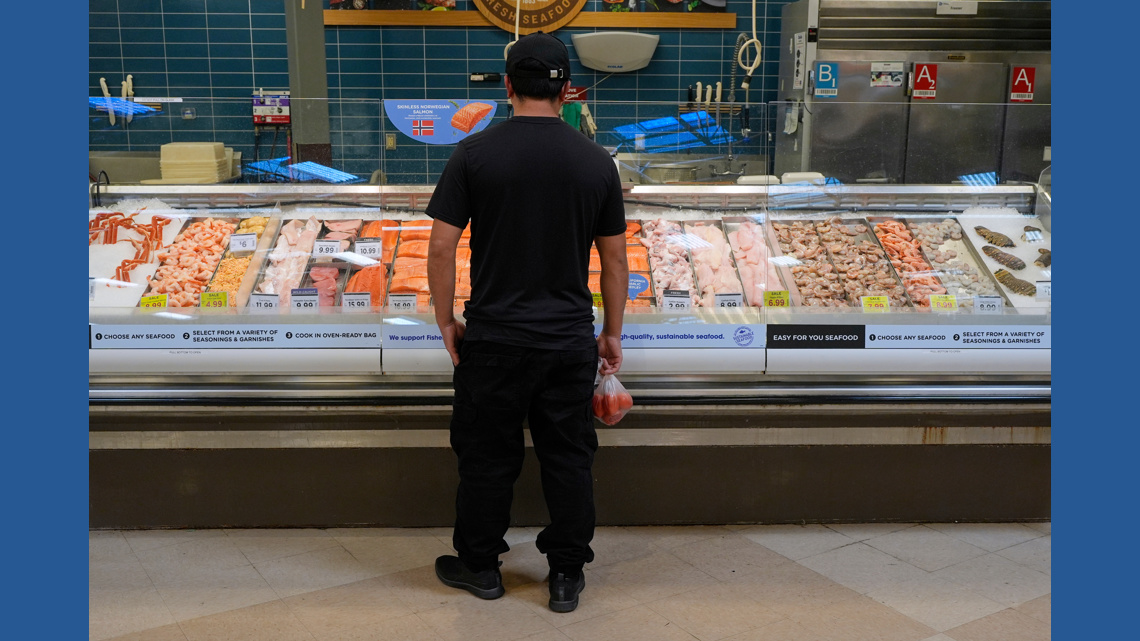
U.S. food prices rose 3.2% year over year in April, with groceries up 2.9% and restaurant/prepared food prices also higher, as the Iran war and Strait of Hormuz shipping disruption lifted fuel costs. Diesel was up 61% from a year ago, adding pressure to agricultural transport, packaging, and wholesale food inputs, though economists said much of the current CPI increase likely predates the conflict. The article also highlights additional inflation drivers including tariffs, drought, and bird flu, pointing to continued upward pressure on food prices over the coming months.
The market is still underestimating the lagged pass-through from energy into food. The near-term winners are upstream transport and fuel-exposed inputs, but the bigger second-order effect is margin compression for low-price-format grocers, food distributors, and small regional processors that cannot reprice fast enough; their earnings risk compounds because freight, cold storage, and packaging costs move faster than shelf prices. That creates a widening dispersion between branded manufacturers with pricing power and private-label-heavy retailers that compete on price but absorb cost shocks.
The most interesting part is the timing. Energy shocks hit the CPI with a delay, so the next 1-2 prints may still look “contained” before the cost stack fully rolls through in 2-3 months. That gives the market a window to misprice the duration of inflation pressure, especially in staples and restaurants, where labor and food input inflation can reinforce each other and keep menu-price inflation sticky even if spot fuel eases.
The contrarian angle is that not all food inflation is additive from geopolitics; some categories are mean-reverting, and the deflation in eggs shows how quickly supply normalization can offset headline anxiety. The bigger risk to the bearish inflation narrative is not a one-off spike but a change in planting and fertilizer economics if elevated fuel persists into the next growing cycle, which would convert a temporary logistics shock into a 2026 supply problem. That shifts the trade from a pure commodities beta expression into a slower-burn agri-input and consumer-margin story.
From an equity standpoint, the cleanest relative winner is energy/logistics over consumer staples retail, but the best risk/reward is in dispersion trades rather than outright index direction. The catalyst path is: fuel stays elevated, wholesale food costs rise first, then retailers and restaurants face margin compression into late summer; if fuel rolls over quickly, the thesis fades before the earnings reset.
AI-powered research, real-time alerts, and portfolio analytics for institutional investors.
Request DemoOverall Sentiment
mildly negative
Sentiment Score
-0.25
