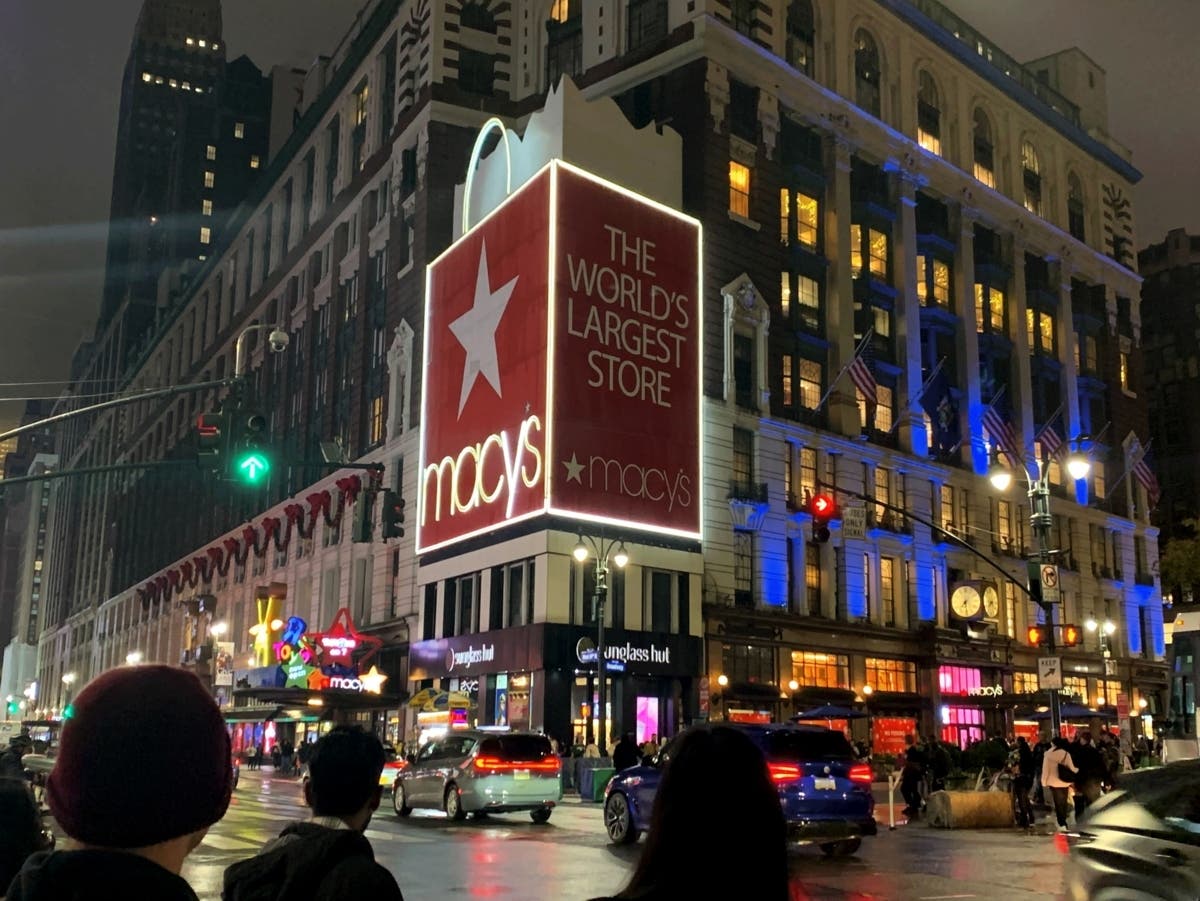
Nearly 300 U.S. chains have announced 2026 closures as retailers shrink physical footprints and prioritize digital channels. Major actions include Carter’s planning to shutter 150 stores over three years (100 by the end of October), Kroger closing 60 unprofitable stores through 2026, Macy’s closing 150 stores through end-2026 (66 closed in 2025), Dick’s Sporting Goods signaling closures of underperforming locations after its 2025 Foot Locker acquisition, Wendy’s planning to close 150–300 restaurants by end-2026, REI closing three stores beginning Q1 2026, and Newell Brands closing 20 Yankee Candle stores starting January 2026. These moves indicate weaker in-store demand and cost-cutting that will pressure mall landlords and regionally exposed retail stocks while accelerating investment in e-commerce and digital operations.
Market structure: Store closures concentrate sales toward omnichannel, dollar and big-box players and third-party e-commerce/logistics providers. Winners include omni retailers and last‑mile industrial REITs (Prologis-style assets) and SaaS/payment vendors that reduce in‑store friction; losers are mall landlords, under‑capitalized chains (Macy’s, Carter’s, Wendy’s franchisees) and regional apparel incumbents where closures signal weaker foot-traffic and pricing power. Expect downward pressure on retail rents and secondary‑market cap rates over 12–24 months, compressing mall REIT NAVs by an incremental ~10–25% in stressed scenarios.
Risk assessment: Tail risks include contagion into CMBS and covenant breaches for franchised restaurant debt (low‑probability but high‑impact within 6–12 months), or a macro shock that doubles planned closures. Immediate reaction windows (days) will spike equity and option vol; short‑term (weeks–months) earnings hits arrive as closure costs hit SG&A while long‑term (12–36 months) survivors can re‑leverage margin improvement. Hidden dependencies: lease termination vs. sublease recoveries, state franchising laws, and inventory liquidation that can depress peers’ near‑term gross margins. Key catalysts: holiday retail data, CPI, wage trends, and upcoming earnings seasons.
Trade implications: Direct trades: short M and CRI; long DKS and selective industrial/logistics exposure. Pair trade: long DKS vs short M over 6–12 months to capture share consolidation. Options: buy 3–6 month puts on WEN and M to hedge downside and use call spreads on NWL if shares gap down excessively; scale into positions around earnings/date‑driven volatility windows.
Contrarian angles: Consensus underestimates margin recovery for survivors—if closures remove 5–10% of low‑margin footprint, top 3 chains can expand EBITDA margins 150–400bps over 12–24 months. Overreaction risk: mall REITs selling >20% below NAV could be tactical buys; unintended consequence: accelerated demand for last‑mile warehouses and automation suppliers (forklifts, robotics) which could outperform retail indices in the next 12–24 months.
AI-powered research, real-time alerts, and portfolio analytics for institutional investors.
Request DemoOverall Sentiment
moderately negative
Sentiment Score
-0.35
Ticker Sentiment
