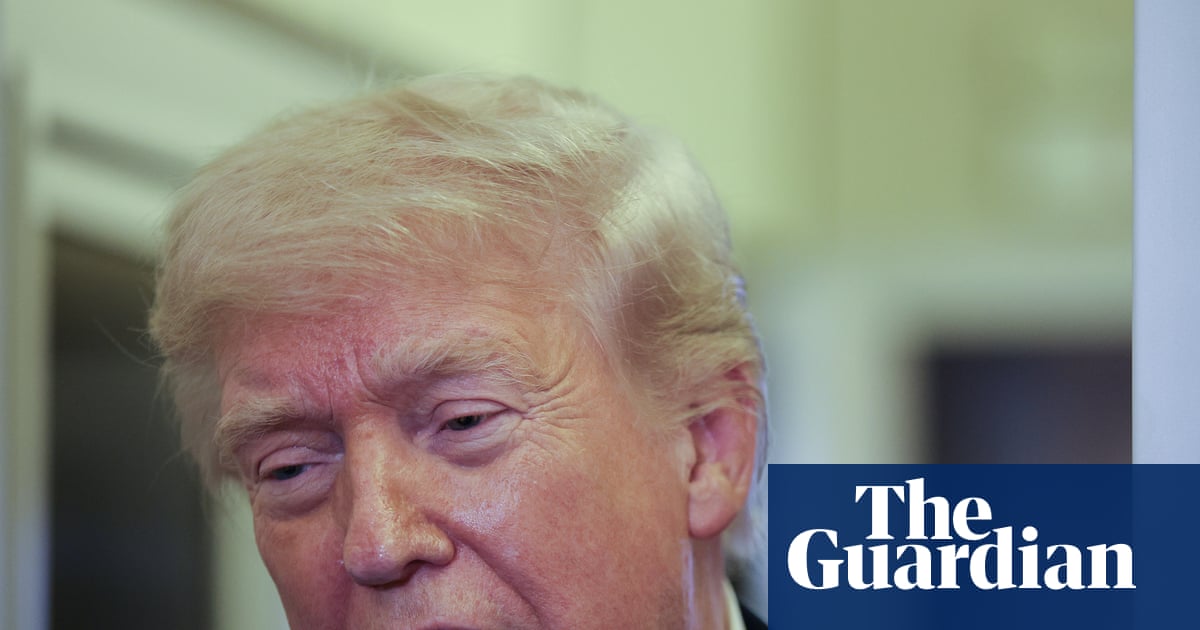
Trump extended the Iran ceasefire by two weeks while pushing Tehran back to negotiations, but Iranian officials dismissed the move as a stalling tactic and signaled possible renewed conflict risk. Separately, Virginia voters approved new congressional maps that could help Democrats gain four House seats, a setback for Trump’s redistricting strategy. The article also highlights DRC resettlement talks for up to 1,100 Afghans and broader political and legal developments, reinforcing a more risk-off geopolitical backdrop.
The market implication is not the headline truce itself but the increased probability of a prolonged, high-variance negotiation regime. That is typically bearish for risk assets because it preserves the tail risk of a sudden escalation without delivering the investment benefit of a stable ceasefire; the result is higher energy volatility, wider regional risk premia, and more defensive positioning in EM-linked assets. In practice, the first-order winner is optionality: crude, defense, and hedges embedded in volatility surfaces tend to outperform in the next few sessions when diplomacy is performative rather than binding.
The more important second-order effect is on transportation, insurance, and ports exposed to Gulf shipping routes. Even if there is no kinetic follow-through, the threat of renewed strikes can keep tanker rates, marine war-risk premiums, and rerouting costs elevated for weeks, which filters into refined-product spreads and freight-sensitive industrials. That creates a non-obvious benefit for companies with minimal Middle East exposure and strong domestic end-demand, while punishing names that rely on stable logistics or have visible regional supply chains.
The domestic politics angle is also investable: the redistricting result raises the odds that congressional control remains tightly balanced, which reduces the probability of clean policy execution on tariffs, spending, and regulatory rollback. That is mildly negative for sentiment-sensitive sectors because policy uncertainty extends another 6-12 months, and it complicates any assumption that Washington can quickly pivot to market-friendly fiscal or energy policy. Separately, the environmental and legal items reinforce a broader theme of rising regulatory friction, which is structurally supportive for utilities and compliance-heavy incumbents versus smaller operators.
Consensus may be underestimating how quickly this can revert if one side needs de-escalation for domestic reasons. The right contrarian trade is not a naked war bet; it is owning volatility and relative defensiveness while avoiding crowded outright risk-off positions. If talks resume credibly, the unwind is likely faster in crude and defense than in broad equity indices, because those are where the geopolitical premium is most explicitly priced.
AI-powered research, real-time alerts, and portfolio analytics for institutional investors.
Request DemoOverall Sentiment
moderately negative
Sentiment Score
-0.35
Ticker Sentiment
