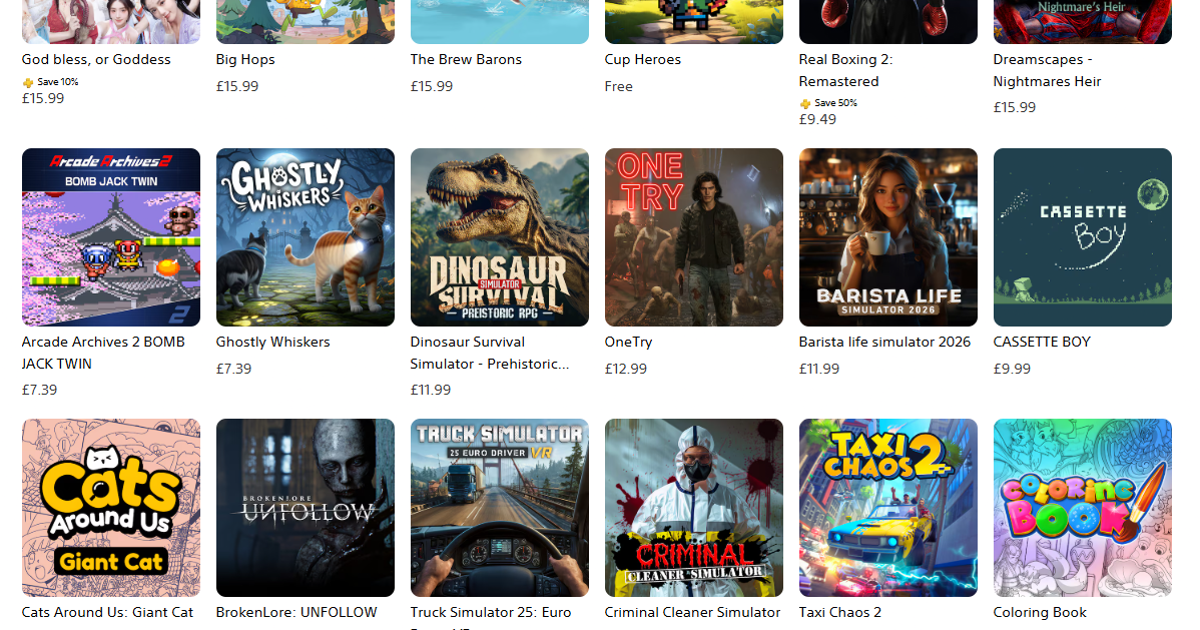
Sony is reportedly running a dynamic A/B pricing experiment impacting 150+ games across 68 territories, offering personalized discounts of roughly 5.3%–17.6% to selected user segments. PSprices detected experiment identifiers (IPT_PILOT, IPT_OPR_TESTING) in PlayStation API responses and says the test has been active since ~November 2025; Japan and the US appear excluded for regulatory sensitivity. The program covers first‑party AAA titles and third‑party publishers (2K, Focus, Deep Silver, Bethesda) and could modestly affect regional revenues and consumer perception, but its scope and permanence are unclear.
Sony’s covert A/B dynamic pricing pilot is structurally important because platform-level price discrimination extracts consumer surplus with near-zero incremental cost — that shifts economic rents away from publishers toward the store operator. Even modest ARPU moves (low-single-digit percent) on a multi-billion-dollar digital catalog compound through high gross margins and could be accretive to operating profit within 3–12 months if scaled.
Second-order effects: publishers face higher revenue volatility and weaker pricing governance, which will push them to demand minimum guarantees, stricter contract language on promotional control, or diversify distribution to other storefronts; this raises platform operating expense or lowers take-rate economics over the medium term. Platforms and competitors will respond asymmetrically — incumbents with mature pricing engines (Valve/Steam, MSFT/Xbox) can match tactics quickly while smaller storefronts cannot, creating a short-term competitive moat for Sony if regulators don’t intervene.
Key risks and catalysts: measurement bias in A/B sampling and cohort mis-specification could produce false positives that reverse programmatic pricing within quarters; regulatory and consumer-protection scrutiny in Europe (algorithmic unfairness, transparency) is the dominant tail risk and could manifest as investigations or fines over 6–18 months. Watch for publisher pushback and contract disputes as near-term catalysts that could force concessions or slow rollout; a public disclosure or adverse rulings would crystallize downside rapidly.
AI-powered research, real-time alerts, and portfolio analytics for institutional investors.
Request DemoOverall Sentiment
neutral
Sentiment Score
0.00
Ticker Sentiment
