

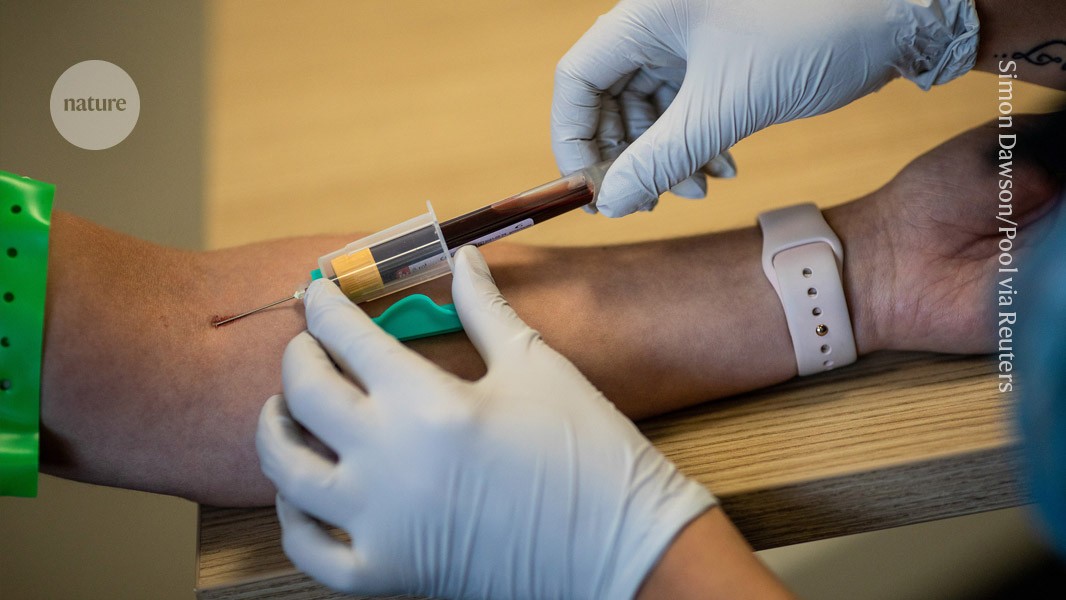
Multi-cancer early-detection (MCED) blood tests — including Grail's Galleri and several ~40 competing tests — face clinical and regulatory headwinds after RCT data released for Galleri indicated the test did not meet its goal of reducing advanced-stage cancer diagnoses when added to existing screening. Aggregate performance across MCED studies shows high specificity (96–99.5%) but variable and often limited sensitivity (reported 30–80%; e.g., one CancerSEEK study detected 26 of 96 cancers), with circulating tumour DNA sometimes as low as 0.006% of cell-free DNA, complicating early detection and follow-up diagnostic pathways. Investors should view these results as raising execution, approval and reimbursement risks for developers (including Grail and Exact Sciences), with implications for valuations until robust RCTs and regulatory clearances demonstrate clear clinical benefit.
Market structure: The Grail Galleri RCT disappointment disproportionately hurts pure-play MCED vendors (GRAL - immediate hit) while improving relative economics for incumbent diagnostics with existing screening revenue (EXAS retains Cologuard cash flow). Payers will gain negotiating leverage; expect downward pressure on list prices and limited broad coverage, keeping addressable-market penetration below 5–10% of screened populations for 12–24 months. Cross-asset: small-cap biotech credit spreads and equity vols should widen; diagnostic equity vols will rise 20–40% short-term; minimal commodity impact.
Risk assessment: Tail risks include CMS/non-coverage rulings, class-action suits from false negatives/positives, or a major competitor RCT that revalidates MCED tech (low prob, high impact). Immediate (days) — sentiment shock; short-term (30–90 days) — full RCT publication and peer review; medium-term (6–18 months) — reimbursement decisions; long-term (2–5 years) — iterative tech improvements could restore value. Hidden dependency: positive predictive value is highly cohort-dependent (age/prevalence); payer economics hinge on demonstrated stage-shift and cost-per-life-year thresholds.
Trade implications: Tactical short GRAL exposure (capture sentiment and likely weak reimbursement) and a relative-long on EXAS (diversified revenues). Use options to define risk: buy 3-month GRAL puts or put spreads (25–40% notional) and buy 6–12 month EXAS call spreads (limited debit) to play asymmetric risk/reward. Rotate 5–8% portfolio weight out of small-cap genomics into large-cap diagnostics and healthcare staples; set stop-losses (GRAL +30% adverse move, EXAS -12%).
Contrarian angles: The market is overlooking niche commercialization paths — targeted high-prevalence cohorts (e.g., smokers, >65) where PPV rises and payers may pilot coverage; that could produce localized IRR >20% within 12–24 months. Reaction may be overdone for firms with diversified testing businesses (EXAS) while GRAL-style pure plays could be acquisition targets at distressed valuations if regulatory clarity tightens. Watch catalysts: full RCT manuscript (30–90 days), CMS draft coverage (6–18 months), competitor trial readouts.
AI-powered research, real-time alerts, and portfolio analytics for institutional investors.
Request TrialOverall Sentiment
moderately negative
Sentiment Score
-0.45
Ticker Sentiment
