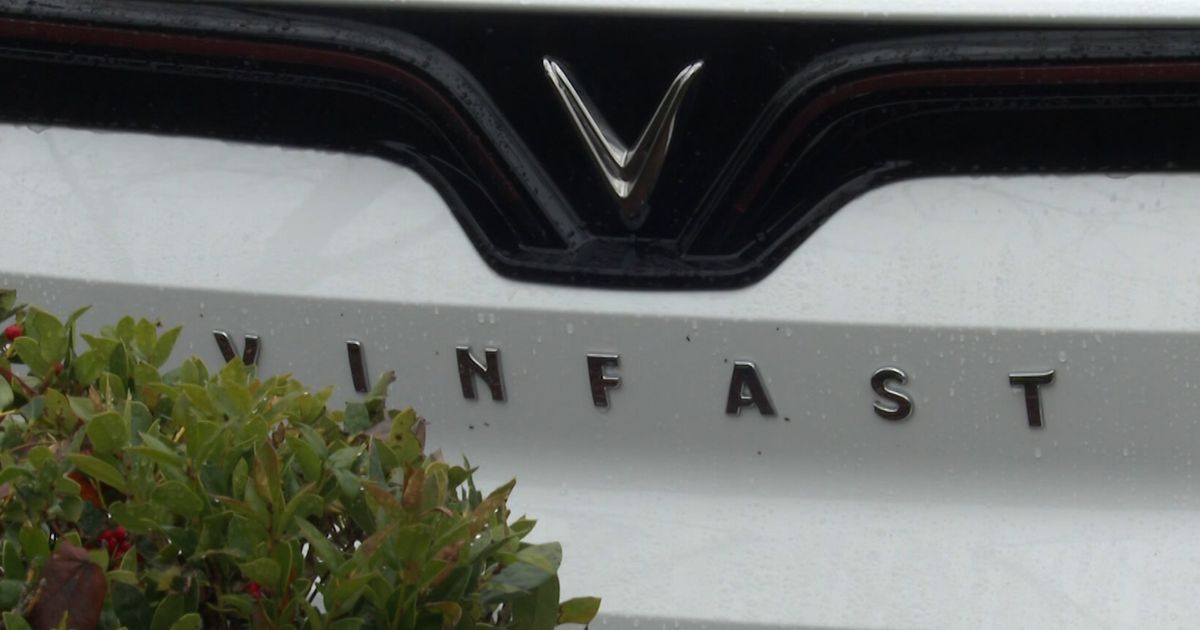
North Carolina has sued VinFast to reclaim Chatham County land after alleging the automaker missed construction deadlines tied to a deal that included more than $2 billion of planned investment, 7,500 jobs and up to $316.1 million in tax reimbursements. The state says VinFast failed to begin required "vertical construction" by Jan. 1, 2024 and is unlikely to start operations by July 1, 2026, while VinFast claims it has made progress and expects production in 2028. The dispute puts a $450 million state-backed site-prep investment and a valuable megasite at risk, with the outcome now left to the courts.
The real market signal here is not about one failed factory; it is about the re-pricing of “site control” as a scarce public asset. North Carolina is effectively showing other would-be anchor tenants that the state will enforce milestone-based land optionality rather than subsidize indefinite delays, which should improve bargaining power for future megaprojects and tighten discipline across the EV/industrial pipeline.
The second-order winner is the state’s broader industrial development apparatus: a cleared, infrastructure-ready megasite near transport nodes becomes more valuable once the market sees it can be recycled quickly. That favors faster-moving manufacturers in semis, battery supply chain, aerospace, logistics, and food processing over speculative EV startups that need multi-year capital raises and policy support to reach scale. It also reduces the probability that local infrastructure spend gets stranded, which matters for municipal/dated project-financing risk.
For VinFast, the issue is less the lawsuit than the timing mismatch between regulatory, capital-market, and operating clocks. A company that needs a U.S. manufacturing narrative to support demand and subsidies is now facing a shrinking policy tailwind and an adverse legal overhang; that tends to compress financing optionality long before any court ruling. The key catalyst window is days-to-weeks for headline risk and months for contractual remedy, but the underlying risk is years: losing a flagship U.S. footprint makes the brand more dependent on markets where it already has traction.
Contrarianly, the market may be underestimating how positive this is for replacement demand: the site is already de-risked by public infrastructure, so a credible incumbent or private-equity-backed industrial user could step in with minimal pre-construction lag. If North Carolina can re-lease the site within 6-12 months, the economic-development optics flip from failure to asset recycling, and the state likely gains a better-quality tenant at lower political cost.
AI-powered research, real-time alerts, and portfolio analytics for institutional investors.
Request DemoOverall Sentiment
strongly negative
Sentiment Score
-0.60
Ticker Sentiment
