
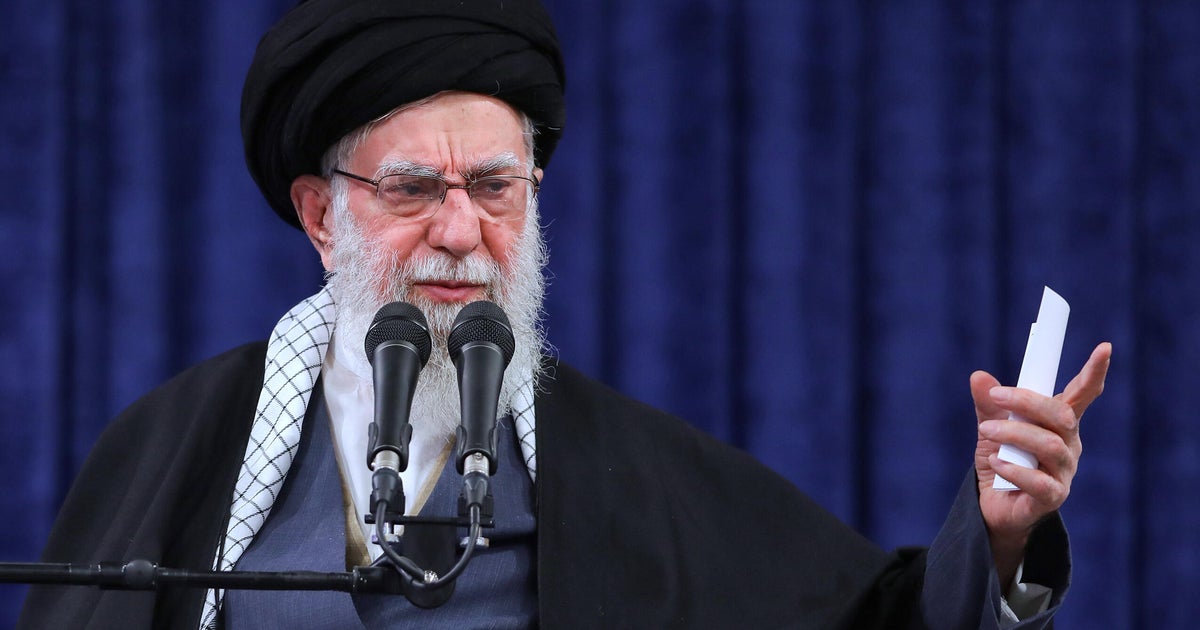
U.S. intelligence collected by the CIA and shared with Israeli counterparts reportedly tracked Supreme Leader Ayatollah Ali Khamenei for months and tipped off Israeli forces to a meeting in Tehran, enabling a missile strike that killed Khamenei and other senior officials. U.S. officials publicly denied directly targeting Iran’s leadership even as lawmakers and media reported close U.S.-Israeli intelligence cooperation. The sudden decapitation of Iran’s leadership elevates near-term regional instability and tail risks for markets — particularly energy, defense, and safe-haven assets — while creating immediate political uncertainty over Iran’s succession process.
Market structure: Immediate winners are defense and ISR contractors (LMT, RTX, GD, NOC, LHX) and commodity producers (XOM, CVX, SLB) as risk premia and energy-security pricing power reallocate spending; losers include airlines/cruise (AAL, UAL, CCL), regional EM banks and insurers exposed to Gulf shipping. Supply/demand: risk to seaborne crude via Strait of Hormuz (~20% of seaborne flows) creates a non-linear upside to Brent if chokepoints or insurance costs rise; shipping reroutes raise freight and insurance spreads. Cross-asset: expect near-term USD and gold bids, T-note rallies (lower yields) in days, equity volatility spike (VIX +15-40% possible intraday), then rotation to cyclicals if oil-driven inflation persists.
Risk assessment: Tail risks include broad regional war or coordinated cyber retaliation (10–25% probability over 3 months), closure of the Hormuz corridor (low single-digit probability but high impact), and escalation forcing U.S. direct involvement that would widen credit spreads and insurance premia. Time horizons: days = volatility and safe-haven flows; weeks–months = oil up 10–30% and defense orders priced; quarters+ = higher baseline defense budgets but potential supply-chain margin pressure. Hidden dependencies: Israeli/U.S. policy cohesion, OPEC+ response, and defense supply-chain (semiconductors, composites) capacity constraints.
Trade implications: Favor tactical long exposure to LMT and RTX via 9–12 month call spreads (size 2–3% each) and a 3–6% gold allocation (GLD or GDX) as convex hedge; buy 3-month Brent $75/$95 call spreads (1–2% allocation) to monetize oil gap. Go selective short in airlines/cruise (AAL, UAL, CCL) via 3-month put spreads (1–2% each) and a pair trade long LMT (2%) / short AAL (1.5%) to capture relative re-rating. Entry: scale in over 5–10 trading days; exit or take 50% profits if defense names rally >25% or Brent >$90; cut losses if VIX falls below 18 for five consecutive sessions.
AI-powered research, real-time alerts, and portfolio analytics for institutional investors.
Request TrialOverall Sentiment
moderately negative
Sentiment Score
-0.60
Ticker Sentiment
Contrarian angles: Consensus may overprice perpetual escalation — historical parallel: Soleimani strike (2020) produced sharp but short-lived risk premia that mean-reverted in 4–8 weeks, so defense upside could be front-loaded and mean-reverse. Overdone reaction risk if Iranian internal fragmentation reduces coordinated retaliation — that would pressure defense multiples and oil back down 15–25%. Unintended consequences: accelerated defense orders may hit supplier bottlenecks and margin squeeze; use OTM protective puts on long defense positions after initial move to limit gap risk.
