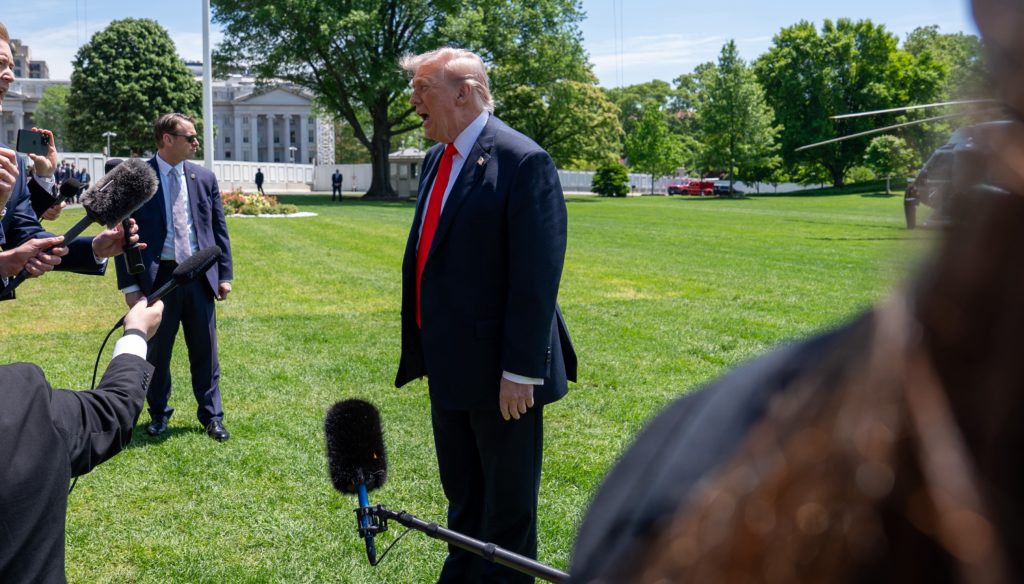
Trump rejected Iran's latest proposal to end the war, keeping the U.S.-Iran standoff unresolved even as a fragile three-week ceasefire largely holds. The dispute over the Strait of Hormuz, which carries about one-fifth of global traded oil and gas, continues to threaten energy flows and pressure the world economy. Separately, an explosion of leftover bombs killed 14 Revolutionary Guard members in Iran, and the conflict has reportedly left at least 3,375 dead in Iran and more than 2,600 in Lebanon.
The market is underpricing the duration risk of a “managed” ceasefire. Even if kinetic escalation stays contained, a prolonged choke on Hormuz keeps a persistent risk premium in crude, LNG shipping, marine insurance, and Gulf freight routes; that tends to bleed into inflation expectations with a lag of weeks, not days. The bigger second-order effect is not just higher energy prices, but tighter financial conditions globally as central banks get a fresh exogenous inflation impulse right when growth is already fragile.
Defense beneficiaries are less about headline munitions orders and more about readiness, ISR, air defense, EW, and naval sustainment. If the standoff drags on, procurement urgency shifts toward systems that protect chokepoints rather than legacy platform procurement, which is a relative tailwind for names exposed to missile defense, radar, and maritime surveillance. By contrast, airlines, chemical manufacturers, and European industrials with Middle East energy dependency face margin pressure before consensus models catch up.
The key reversal catalyst is diplomatic narrowing that credibly restores tanker flow; absent that, each additional week of uncertainty compounds inventory hoarding and speculative positioning in energy and shipping. The overdone part is assuming the ceasefire itself equals de-escalation—physically damaged infrastructure, unexploded ordnance, and fragmented command structures raise the probability of accidental re-escalation even without strategic intent. The underappreciated risk is that markets may be comfortable with a slow-burn conflict until a single disruption in the strait forces a discrete repricing event.
AI-powered research, real-time alerts, and portfolio analytics for institutional investors.
Overall Sentiment
moderately negative
Sentiment Score
-0.42
