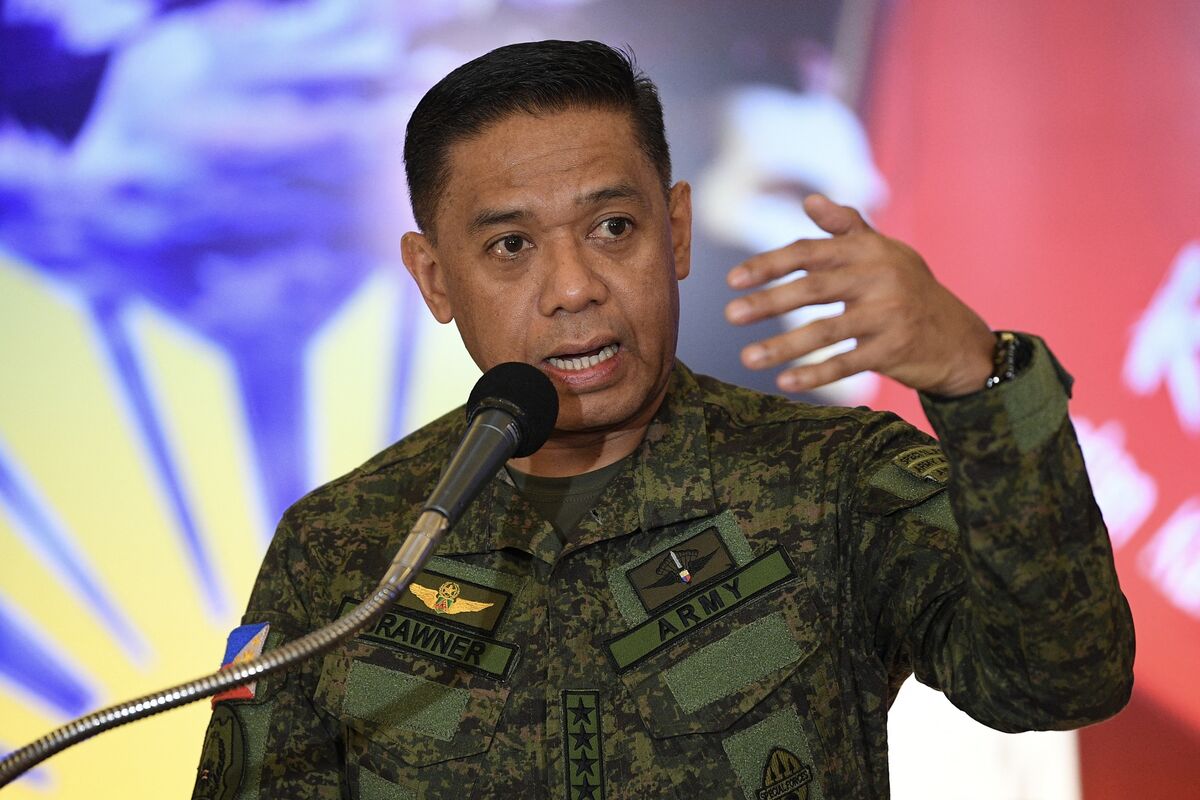
Philippine military chief Romeo Brawner Jr. disclosed that he rejected calls from retired officers, including attempts to instigate a coup, to unseat President Ferdinand Marcos Jr. This revelation underscores underlying political tensions within the Philippines but also signals the military's commitment to constitutional processes, a key factor for assessing political stability and investment risk in the region.
The disclosure by Philippine military chief Romeo Brawner Jr. that he rejected calls from retired officers to unseat President Ferdinand Marcos Jr. highlights a significant undercurrent of political instability. The report of “recruitment activities” and direct overtures for a coup, even if unsuccessful, signals deep-seated dissent that poses a tangible risk to the current administration's stability. While Brawner's public rejection reinforces the active military's commitment to the constitutional process, a crucial stabilizing factor, the very existence of such plots is a material concern for investors. The situation is best characterized by its uncertainty, as indicated by the mixed sentiment score (-0.05); the immediate threat appears contained, but the underlying political fractures suggest a heightened risk profile for an economy sensitive to sovereign stability.
AI-powered research, real-time alerts, and portfolio analytics for institutional investors.
Request DemoOverall Sentiment
mixed
Sentiment Score
-0.05
