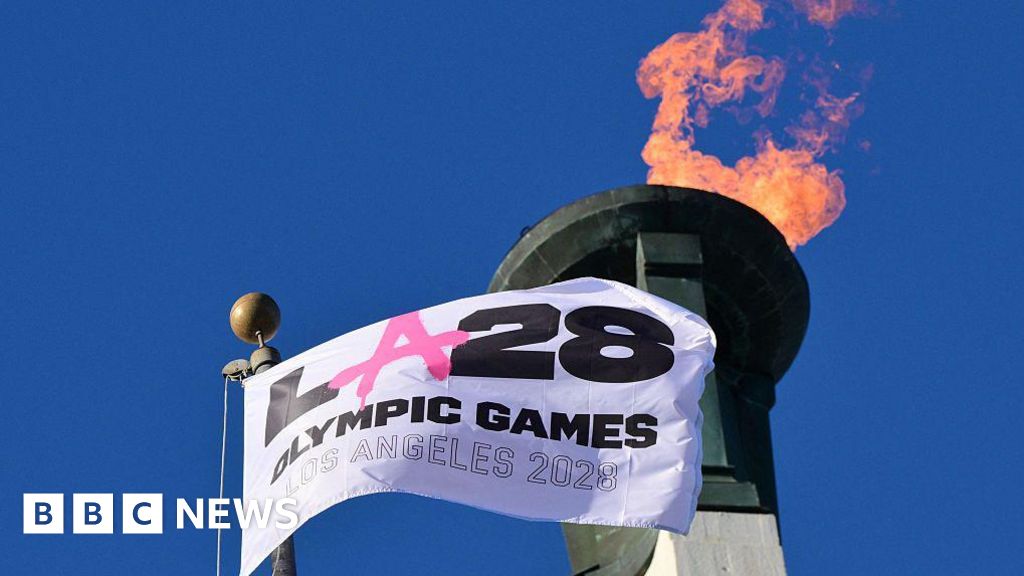
Los Angeles 2028 has opened a random-ticket registration for the Olympic Games with tickets starting at $28, one million $28 tickets and roughly one-third of tickets priced under $100; registration runs until 18 March with purchase time slots to be allocated and the first sales window from 9-19 April. A special early purchase window will be available for Los Angeles and Oklahoma City residents, and several events will leverage existing LA infrastructure (with canoeing and softball in Oklahoma), a pricing strategy pitched as affordability and broad access; the announcement may modestly support local travel, hospitality and secondary ticket-market activity but is unlikely to move broader financial markets.
Market structure: LA28’s $28/$100 entry points shift revenue mix toward volume-driven ancillary spending (hotels, F&B, transport) rather than ticket yield. Winners: large OTAs (BKNG, EXPE, ABNB), major hotel chains (MAR, HLT), domestic carriers with heavy LAX/SAN routing (DAL, LUV) and broadcaster NBC/Comcast (CMCSA) via ad inventory in 2028; losers include opaque resale channels and premium-ticket scalpers as primary supply is deliberately elastic. Expect modest downward pressure on secondary-market prices (20–40% compression in peak-event resale spreads hypothesized) and concentrated demand for short-duration lodging and flights in summer 2028.
Risk assessment: Tail risks include operational/security failures, pandemic resurgences, or major cost overruns that trigger municipal fiscal support—each could reduce tourism demand by >30% in peak weeks and pressure CA muni credits. Immediate impact (days–weeks) is negligible; short-term (months–18 months) will show booking patterns and pricing signals; long-term (2026–2028) will drive capital allocation for airlines/hotels and media ad cycles. Hidden dependency: organizers prioritize accessibility over per-ticket revenue which transfers monetization to sponsors, broadcast rights and local consumption—monitor sponsorship renewals and NBC ad presales as leading indicators.
Trade implications: Tactical long bias to travel & lodging names into the 2026–2028 booking ramp; use 12–36 month LEAPS to capture upside while preserving cash. Pair trades: long BKNG/EXPE vs underweight resale/marketplace exposure (monitor April ticket purchase windows as catalyst). Options: buy 2026–2028 call spreads on BKNG/ABNB sized 1–2% NAV to limit downside while keeping asymmetric upside to rising bookings. Rotate to overweight Travel & Media (BKNG, EXPE, ABNB, MAR, HLT, CMCSA) and underweight secondary-ticketing plays and local muni bonds if LA fiscal risk rises.
Contrarian angles: Consensus assumes only positive GDP/consumer-spend spillovers—misses municipal expense risk and secondary-market displacement which could push economic benefit into a narrower set of corporates (OTA + broadcasters) while leaving local governments with leftover cost. Historical parallels (Atlanta 1996) show short-term boosts to hotels/airlines but limited long-run outperformance; expect a concentrated multi-year alpha in advertising and booking platforms rather than broad leisure ROTI. Unintended consequence: aggressive price caps can incentivize private block sales and off-market transfers, making publicly reported ticket metrics misleading—trade on verifiable forward bookings and ad presales, not headline ticket price caps.
AI-powered research, real-time alerts, and portfolio analytics for institutional investors.
Request DemoOverall Sentiment
mildly positive
Sentiment Score
0.25
