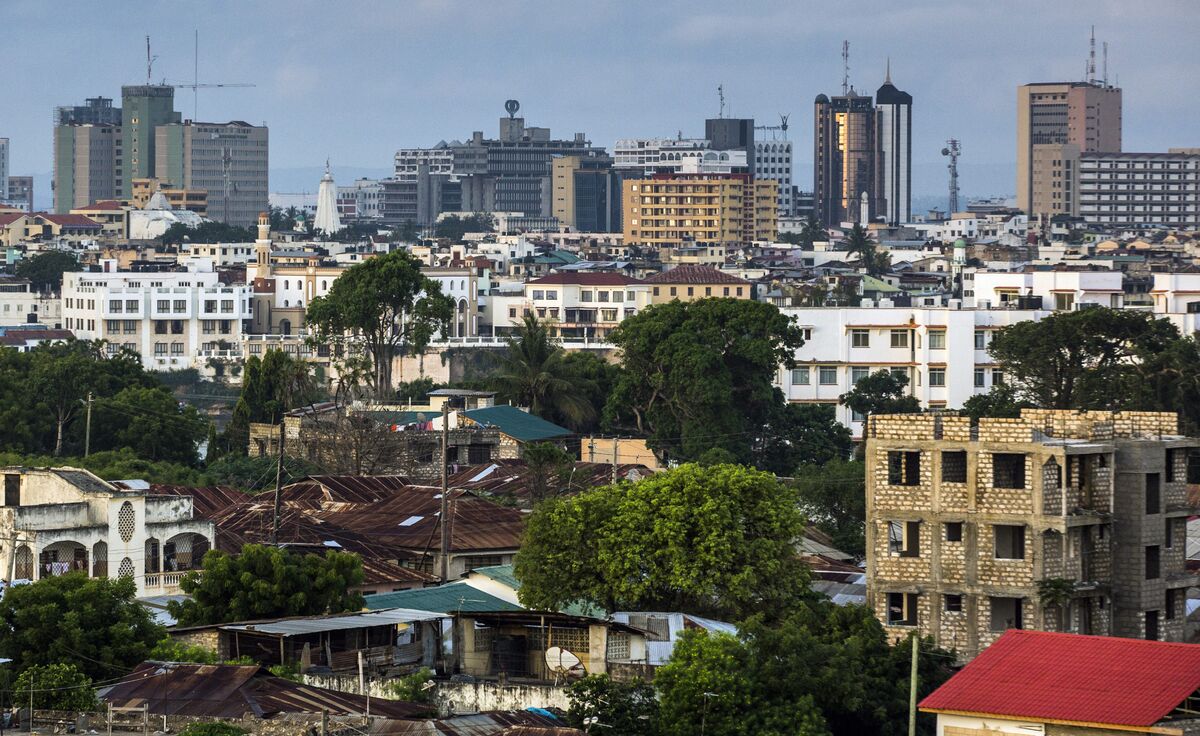
Kenya detained a Taiwanese scholar for 20 hours at China's urging while the person was trying to enter the 11th Our Ocean Conference in Mombasa. Taiwan said the scholar's phone and passport were taken during the detention, highlighting Beijing's continued efforts to isolate the island diplomatically. The incident is politically negative for Taiwan-Kenya-China relations, but direct market impact is likely limited.
This is less about a single detention event than a marginal increase in the cost of operating across jurisdictions that are willing to outsource coercion to Beijing. The second-order effect is on diplomatic logistics: conferences, academic exchanges, and NGO travel tied to Taiwan become higher-friction, which quietly narrows Taiwan’s visibility in emerging markets even when there is no formal policy change. That is a slow-burn reputational headwind rather than an immediate macro shock, but it compounds over quarters as counterparties price in legal and personal risk.
The immediate losers are institutions that rely on cross-border access and neutral hosting environments: universities, research networks, airlines serving Taiwan-linked routes, and event organizers exposed to China-related retaliation. In EMs, the bigger tradeable consequence is that smaller states may become more selective in balancing Taiwan-related engagement against Chinese commercial pressure, which can favor Beijing-linked infrastructure and telecom vendors in contract allocation over time. The risk is not just diplomatic isolation; it is asymmetric chilling of Taiwan’s soft-power channels, which can show up in fewer MOUs, less grant funding, and reduced conference participation over 6-12 months.
The catalyst path is binary and mostly political: if Kenya doubles down or if similar incidents recur in other third countries, the market will increasingly discount Taiwan’s ability to broaden its international footprint. Conversely, a strong multilateral response or visible pushback from host-country authorities would cap the narrative quickly. The contrarian view is that this is not yet a broad escalation into hard economic sanctions; absent trade restrictions, the practical market impact remains mostly second-order and sentiment-driven, making the move overdone if extrapolated into supply-chain disruption.
For portfolios, the cleaner expression is relative-value rather than outright directional risk: long selective China-exposed event/logistics beneficiaries vs short Taiwan-exposed soft-power proxies is unattractive without obvious tickers, so the better trade is to fade any knee-jerk EM risk-off in sovereign spreads unless incidents proliferate. The main watch item is whether the pattern repeats across venues over the next 1-3 months, which would justify a larger geopolitical risk premium in frontier and Africa-focused assets.
AI-powered research, real-time alerts, and portfolio analytics for institutional investors.
Request DemoOverall Sentiment
mildly negative
Sentiment Score
-0.25
