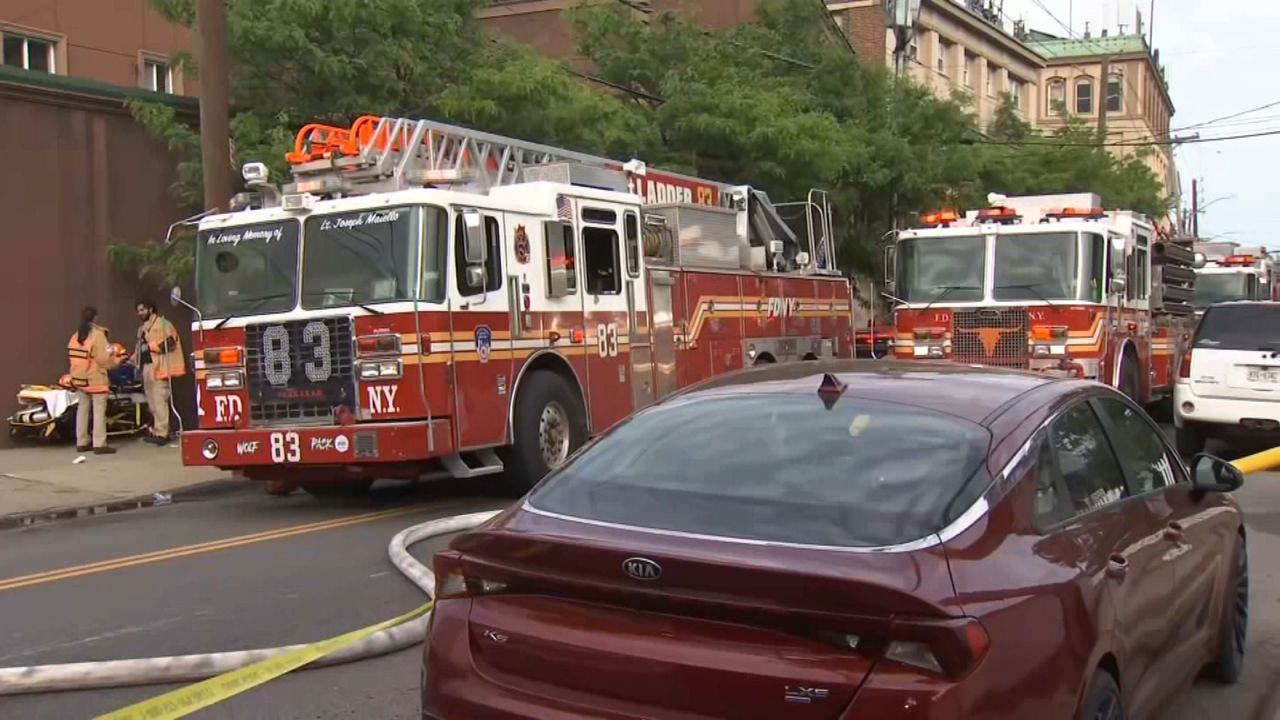
A blast at a Staten Island shipyard killed 1 civilian and injured 36 people, most of them firefighters and other first responders. The fire remains an active scene, and the cause of the explosion is still under investigation. The incident may disrupt operations at the shipyard and nearby businesses, but the immediate market impact appears limited.
The immediate market implication is not the headline casualty count; it is the likely inspection overhang on a concentrated industrial waterfront that combines marine services, storage, and legacy heavy-industry infrastructure. That mix tends to create a broader-than-expected shutdown radius because regulators often treat adjacent structures, utilities, and shared access lanes as a single hazard zone, which can interrupt berth turnaround, yard labor scheduling, and last-mile industrial deliveries for days to weeks even if the original incident is contained quickly.
Second-order winners are scarce, but nearby competitors in outer-borough marine repair, warehousing, and overflow storage can see temporary utilization spikes as displaced work is rerouted. The more material trade is in insurance and litigation: incidents involving first responders materially raise the probability of multi-party claims, subrogation disputes, and permit delays, which can drag on asset owners and operators for months. If the site has any environmental remediation or aging-structure exposure, the legal process can extend well beyond the initial physical repair window and cap redevelopment optionality.
The biggest underappreciated risk is not the fire itself but the repricing of “industrial waterfront” as an operating category. A single event can tighten municipal scrutiny on other legacy sites in New York Harbor, increasing compliance costs and extending project timelines for dock-adjacent redevelopment, self-storage expansions, and mixed-use conversions. That creates a negative but diffuse read-through for owners with high exposure to older coastal assets, especially where insurance premiums and financing spreads are already elevated.
Consensus may overstate the permanence of the disruption. If investigations find a contained equipment or confined-space incident rather than systemic contamination or structural failure, the equity impact on adjacent operators should mean-revert quickly over 1-3 weeks. The real trading edge is to fade broad-brush fear while staying short the most litigation- and capex-sensitive names, because the probable winner set is narrower than the market will initially assume.
AI-powered research, real-time alerts, and portfolio analytics for institutional investors.
Request DemoOverall Sentiment
strongly negative
Sentiment Score
-0.75
