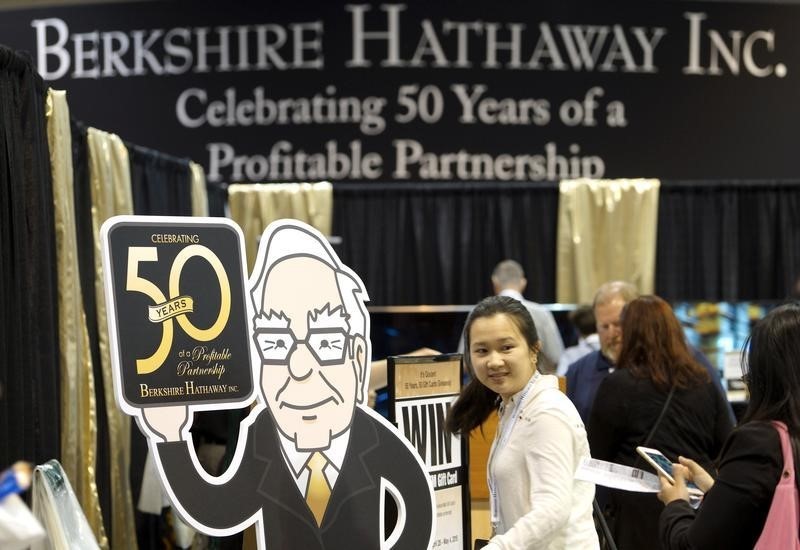
Berkshire Hathaway agreed to buy Taylor Morrison Home for about $6.8 billion in cash, or $72.50 per share, a 24% premium to the May 29 close of $58.50. Including debt, the deal values the Scottsdale-based homebuilder at roughly $8.5 billion and is expected to close in the second half of 2026, pending shareholder and regulatory approvals. The acquisition expands Berkshire's residential housing exposure and will take Taylor Morrison private while keeping its existing management team in place.
This is less about the single asset move and more about Berkshire quietly monetizing a balance-sheet advantage at the point in the cycle when private capital is most valuable to a cyclical operator. The implication for listed homebuilders is that M&A optionality just re-opened: if one of the sector’s scale players is worth a mid-20s premium to strategic capital, then names with clean land banks and mortgage/finance arms should start screening as takeout candidates rather than just rate-beta proxies.
Second-order winner is Berkshire’s broader housing ecosystem. A larger footprint in homebuilding increases captive demand for building products, insurance, and manufactured housing adjacencies, which can compound returns even if standalone homebuilding margins remain mediocre. For competitors, the risk is that strategic buyers now have a valuation anchor that may compress future acquisition discipline across the group, making public comps harder to own on cheap multiples after today’s reset.
The key catalyst is not close timing but financing conditions over the next 6-18 months. If rates drift lower, the combination of improved affordability and a new private sponsor with patience could unlock a second wave of consolidation; if rates stay sticky, this deal may mark the top of the cycle for strategic bids, not the beginning. The main tail risk is regulatory and shareholder friction if housing weakness or antitrust scrutiny turns the transaction into a long-dated overhang rather than a clean close.
Consensus is likely underestimating how this supports “quality housing” over pure rate sensitivity. The market may chase the premium in TMHC, but the better risk/reward may be in peers with similar asset quality and no deal premium, especially if investors start pricing an industry-wide M&A floor. In that scenario, the upside is in the names that become bid targets second, while Berkshire itself gets a modest but durable capital deployment boost rather than a re-rating event.
AI-powered research, real-time alerts, and portfolio analytics for institutional investors.
Request DemoOverall Sentiment
moderately positive
Sentiment Score
0.68
Ticker Sentiment
