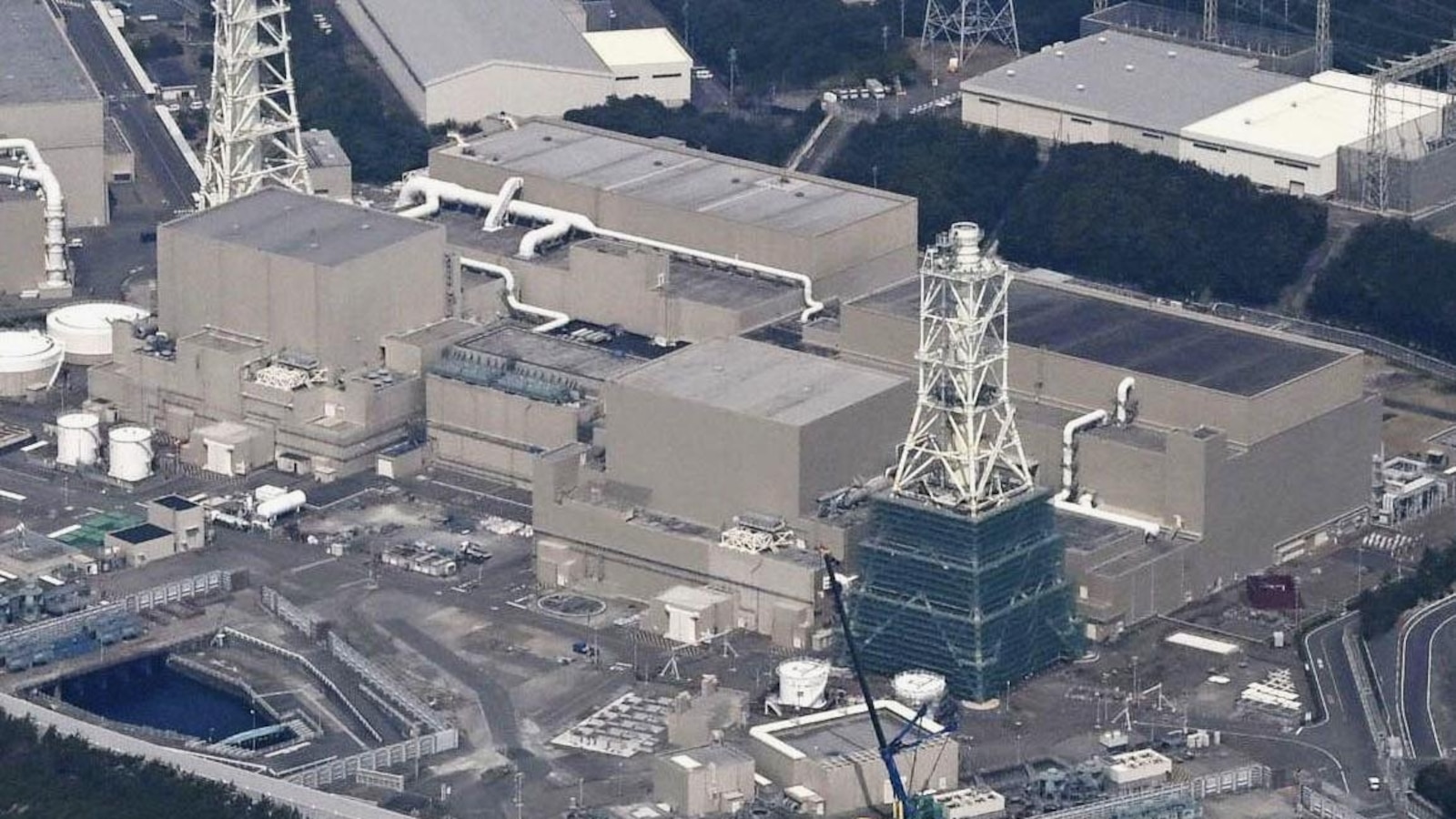
Japan's Nuclear Regulation Authority has halted the safety screening for Hamaoka reactors No. 3 and 4 after finding Chubu Electric fabricated seismic data used to understate earthquake risk; the utility acknowledged the falsification following a whistleblower tip and its president pledged an independent investigation. The regulator said the screening — including previously approved data — must be restarted or could be rejected, raising the prospect of prolonged delays to planned reactor restarts and heightened regulatory scrutiny at a time the government is pushing to accelerate restarts to manage energy costs and emissions; the plant lies near the Nankai Trough and Japan currently has 13 of 57 commercial reactors operating, 20 offline and 24 being decommissioned.
Market structure: The Chubu fabrication scandal directly damages Chubu Electric (9502.T) and increases regulatory risk across Japanese nuclear operators (9501.T, 9503.T), slowing restarts and keeping ~10–20% of Japan’s potential baseload offline for 6–24 months. Winners are thermal fuel suppliers and LNG/coal exporters (Cheniere LNG, WDS.AX, SHEL.L) plus renewables/grid-equipment vendors that can fill the gap; expect upward pressure on JKM/TTF spot curves by mid-single to low-double digits if restart timelines slip >6 months. FX and sovereign: a sustained import bill shock could widen Japan’s current account deficit and add modest JPY downside pressure over quarters; JGB yields could tick higher if fiscal support is required.
Risk assessment: Tail risks include a far-reaching regulatory clampdown (license denials/forced decommissioning) with >¥50–100bn industry fines, or power shortages forcing emergency price caps and rationing in a cold winter—both low probability but high impact. Immediate (days) effect = equity volatility and sell-offs in exposed names; short-term (30–90 days) = NRA inspections, potential management changes; long-term (12–36 months) = structural shift to renewables and contracted LNG demand. Hidden dependencies: reputational contagion to non-Japanese suppliers and cross-border project financing; catalysts are NRA reports (30–60 days), whistleblower follow-ups, and LNG price moves.
Trade implications: Direct plays: short idiosyncratic Japan nuclear names (9502.T) and buy LNG-exposed producers (LNG, WDS.AX) for a 3–12 month horizon; use 3–6 month options to express convexity. Pair trade: long global LNG/thermal producers (LNG) vs short Chubu (9502.T) to capture relative value if thermal margins widen by >10%. Rotate portfolio weight from Japan nuclear-centric utilities into renewables developers and grid/electrification suppliers (ABB.N, ORSTED.CO) over 1–4 quarters.
Contrarian angles: The market may over-penalize well-governed utilities and all nuclear-adjacent names—seek companies with independent audited seismic data or diversified generation that trade >20% below regional peers. Historical parallel: post-2011 repricing created multi-year buying opportunities in non-nuclear generation and grid suppliers; unintended consequence = accelerated renewables procurement and grid upgrades, benefiting equipment makers and project finance lenders over 6–24 months.
AI-powered research, real-time alerts, and portfolio analytics for institutional investors.
Request DemoOverall Sentiment
moderately negative
Sentiment Score
-0.45
