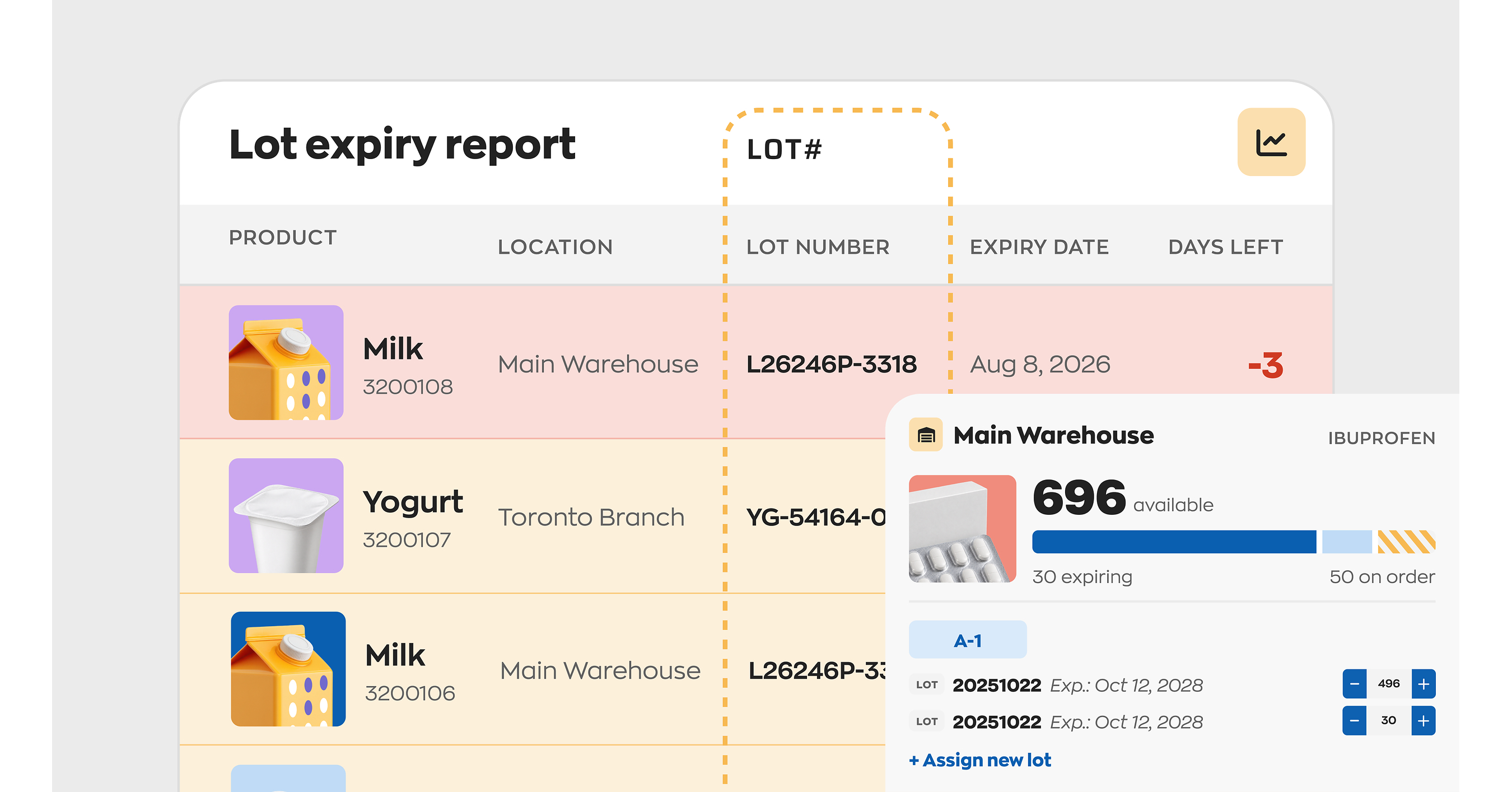
inFlow Inventory führte nach zweijähriger Entwicklung und einem Jahr Testphase eine Chargen- und Verfallsdatennachverfolgung ein, die KMU in der Lebensmittel-, Getränke-, Pharma- und Medizintechnikbranche eine lückenlose Rückverfolgbarkeit über Einkauf, Produktion, Vertrieb und Versand ermöglicht. Die Lösung positioniert sich als kostengünstige Alternative zu ERP-Systemen (typisch mehrere zehntausend USD und mehrere Monate), mit integrierter Ablauf-Logik wie „First-Expired-First-Out“ und GS1-Barcode-Unterstützung (z.B. GS1 QR/128/DataMatrix). Zusätzlich wird die Funktion in allen aktuellen Plänen verfügbar gemacht und ist in „Mid-Size“-Tarifen und höher ohne Aufpreis enthalten.
The important read-through is not to SHOP’s top line, but to the economics of regulated SMB commerce: compliance-grade inventory traceability is becoming a table-stakes feature that can be delivered cheaply enough to keep merchants off heavyweight ERP stacks. That favors low-friction software ecosystems and hurts the long-duration upsell case for vendors that rely on SMBs eventually “graduating” into more complex systems. For Shopify, the second-order benefit is retention in verticals like supplements, food, and medical supplies where operational failure usually shows up as merchant churn, not as a single quarter of GMV softness.
Near term, this is mostly noise for SHOP stock because the monetization path is indirect and likely small. Over 1-3 months, the only meaningful catalyst would be evidence that partner apps with compliance features are driving higher merchant conversion or lower attrition in regulated categories; absent that, the market should treat this as ecosystem breadth, not incremental earnings power. Over 6-18 months, the more structural implication is that Shopify’s merchant base can support increasingly complex inventory workflows without migrating to NetSuite-style systems, which modestly extends the lifetime value of mid-market merchants.
Contrarian view: consensus may overstate the idea that “more functionality” automatically helps enterprise software incumbents. In this case, cheap traceability may actually compress the need for ERP spend and keep the software stack modular. The falsifier for any positive SHOP read-through is simple: no measurable increase in app attach, merchant retention, or GMV concentration in regulated verticals after adoption; if so, this remains a feature-level announcement with no investable impact.
AI-powered research, real-time alerts, and portfolio analytics for institutional investors.
Request DemoOverall Sentiment
neutral
Sentiment Score
0.10
Ticker Sentiment
