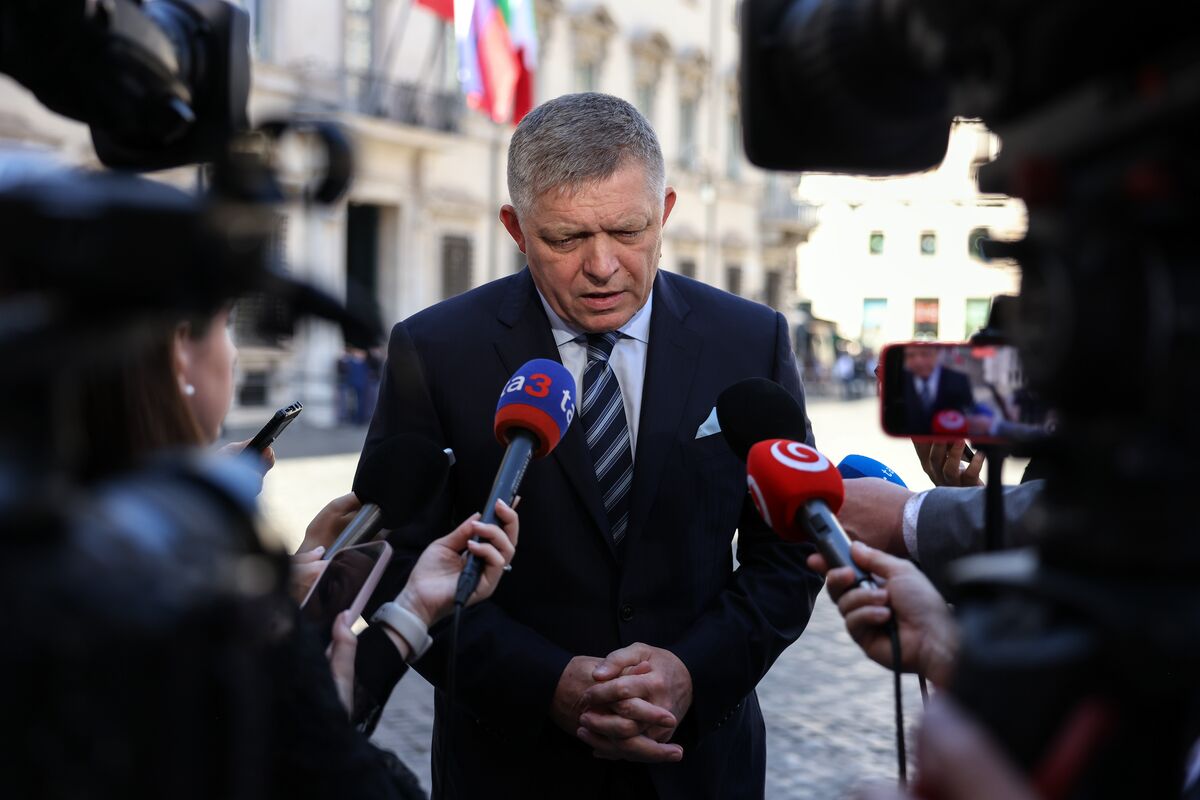
Slovakia has lifted its veto on the European Union's 18th sanctions package against Russia after receiving guarantees from the European Commission. These assurances aim to mitigate the potential economic impact on Slovakia from a planned cutoff of Russian gas supplies. This development unblocks the latest round of EU punitive measures, signaling the bloc's ability to navigate internal energy security concerns to maintain a unified front against Moscow.
Slovakia has lifted its veto on the European Union's 18th sanctions package against Russia, resolving an impasse that has persisted since June. The decision followed the European Commission providing guarantees to mitigate the economic fallout for Slovakia from a potential future cutoff of Russian gas supplies. This development is significant as it demonstrates the EU's ability to achieve internal consensus and maintain a unified policy stance against Moscow, despite the considerable energy security concerns of member states. The resolution underscores the persistent tension between the bloc's geopolitical objectives and the economic vulnerabilities of nations dependent on Russian energy. The moderately positive sentiment and medium market impact score reflect the removal of a near-term political obstacle, reinforcing the trajectory of escalating sanctions while highlighting the ongoing fragility of Europe's energy market dynamics.
AI-powered research, real-time alerts, and portfolio analytics for institutional investors.
Request DemoOverall Sentiment
moderately positive
Sentiment Score
0.45
