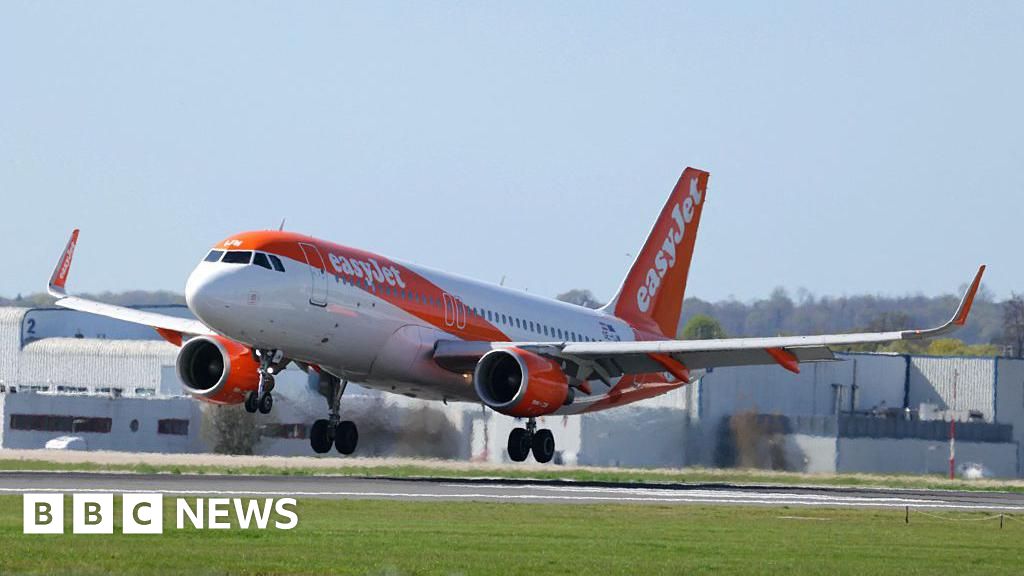
EasyJet flight EZY2618 from Hurghada to London Luton diverted to Rome after a passenger reported a power bank charging in luggage, prompting a precautionary landing and next-day rescheduling. The aircraft landed safely and passengers were provided with hotel accommodation, meals, and refreshments where available. The incident highlights tightening airline rules on lithium battery devices, but it is a routine operational disruption rather than a material market event.
This is less a direct demand story for Ryanair than a reminder that aviation is becoming operationally brittle around lithium risk. The second-order effect is cost inflation across the industry: more cabin screening, tighter baggage handling protocols, extra diversion authority, and higher crew training burden all raise unit costs and increase schedule fragility, especially on longer leisure routes where spare aircraft availability is thin. The market should care more about the precedent than the incident itself — one low-severity event can still force materially more conservative operating procedures across low-cost carriers.
The near-term winner is the airport/ground-handling ecosystem that sells compliance and inspection capacity, while the loser set is airlines with dense utilization and limited slack. Carriers with higher ancillary exposure and tight turnaround economics are most vulnerable because even a small rise in diversion probability destroys a disproportionate amount of margin through reaccommodation, hotel, and crew knock-on costs. Over months, this can also nudge insurers and regulators to sharpen exclusions and mandates, which is a quiet but real earnings headwind for the sector.
For RYAAY specifically, the direct P&L hit is immaterial, but the equity can still trade lower if investors extrapolate more nuisance disruptions into summer peak season. The contrarian angle is that the headline may overstate the economic materiality: this type of event is rare, highly visible, and mostly absorbed in operating discipline rather than structural demand loss. If anything, the bigger medium-term catalyst is regulatory harmonization, which should reduce ambiguity and benefit the most operationally disciplined carrier rather than the one with the most permissive customer behavior.
AI-powered research, real-time alerts, and portfolio analytics for institutional investors.
Request DemoOverall Sentiment
mildly negative
Sentiment Score
-0.12
Ticker Sentiment
