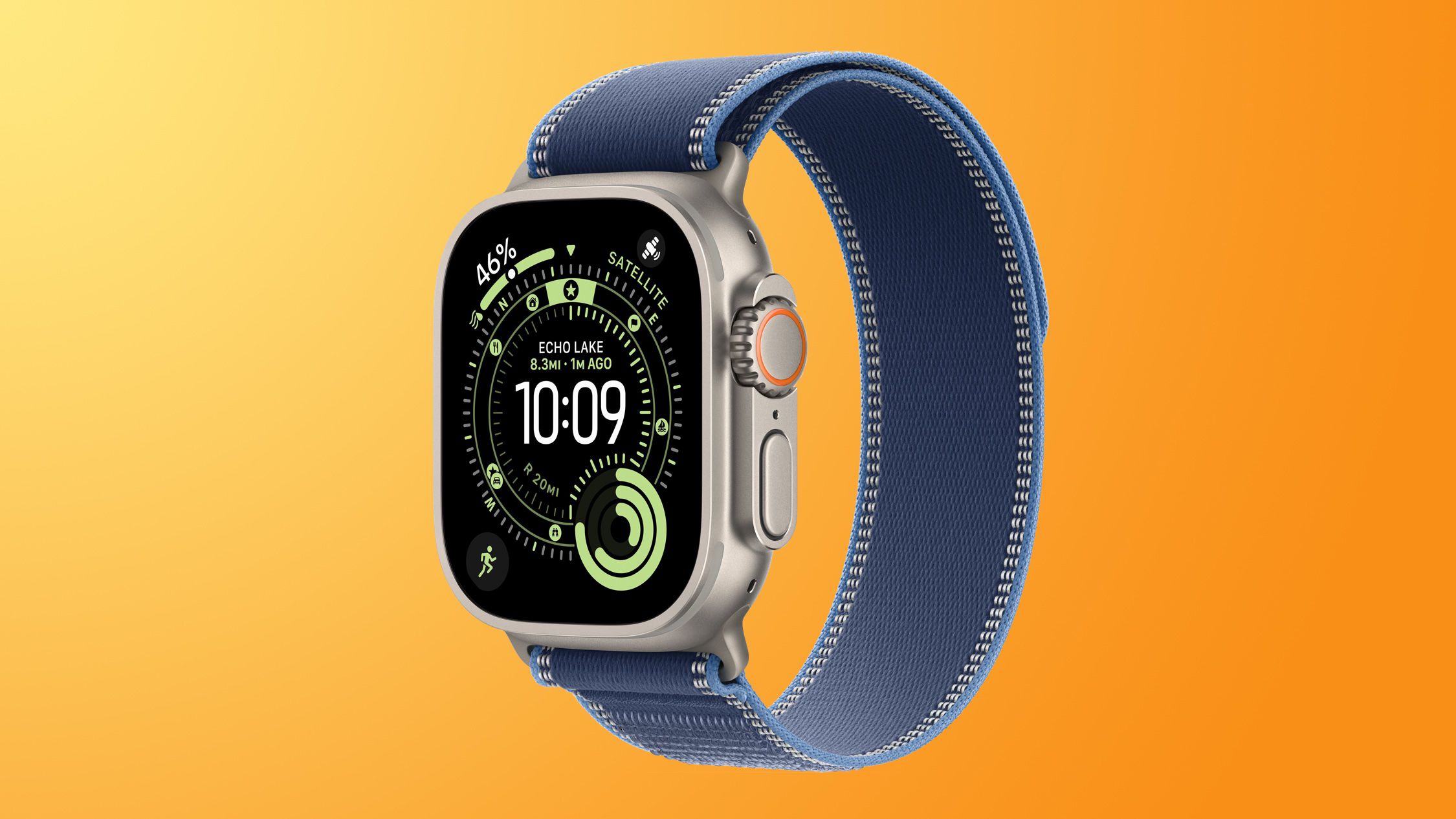
Apple Watch Ultra 3 models are on sale at Amazon for $699.99 in Natural and $799.99 for select Milanese Loop versions, each $99 below list price. The discounts are described as the best prices tracked so far in 2026 and within $19 of the all-time low, indicating healthy retail demand but limited broader market significance.
This is a demand-quality signal more than a price-sensitive earnings catalyst: Apple hardware is seeing enough promotional activity to keep premium devices in the consideration set while avoiding the kind of clearance discounting that usually implies channel stress. For AAPL, that supports the narrative that the installed base remains monetizable even when unit growth is mature; for AMZN, it reinforces that third-party retail still has pricing power in high-ticket consumer electronics, which helps traffic and conversion. The key second-order effect is that Apple can defend premium positioning without visibly sacrificing margin structure, which matters more to the stock than the discount itself. The more interesting read-through is to adjacent wearables and accessory ecosystems. A modest discount on Ultra suggests Apple is using targeted promotion to protect share against Garmin-style endurance devices and against consumers stretching upgrade cycles, but not enough to indicate a demand collapse. That typically compresses the upside for standalone accessory brands and private-label bands/cases, while supporting attach-rate businesses tied to the Apple ecosystem rather than broad consumer discretionary. The market is likely to underappreciate the asymmetry: these promotions can persist for weeks without signaling weakness, but if they broaden beyond select models or deepen into the base Watch line, it would imply inventory normalization pressure into the next product cycle. On the other hand, if this is simply a lead-in to a larger retail event, the real catalyst is not the discount level but the conversion data over the next 2-4 weeks, which will tell us whether premium wearable demand is stabilizing or being artificially supported. Contrarian view: consensus may be too quick to treat small Apple discounts as bullish proof of strength. In practice, targeted cuts often appear when the retailer wants to move units without forcing a public price reset, so the signal is neutral-to-slightly positive at best unless followed by broader sell-through data. The better trade is to watch for dislocations between AAPL’s implied service-growth optimism and any evidence that premium hardware demand needs more frequent promotional crutches.
AI-powered research, real-time alerts, and portfolio analytics for institutional investors.
Request DemoOverall Sentiment
mildly positive
Sentiment Score
0.20
Ticker Sentiment
