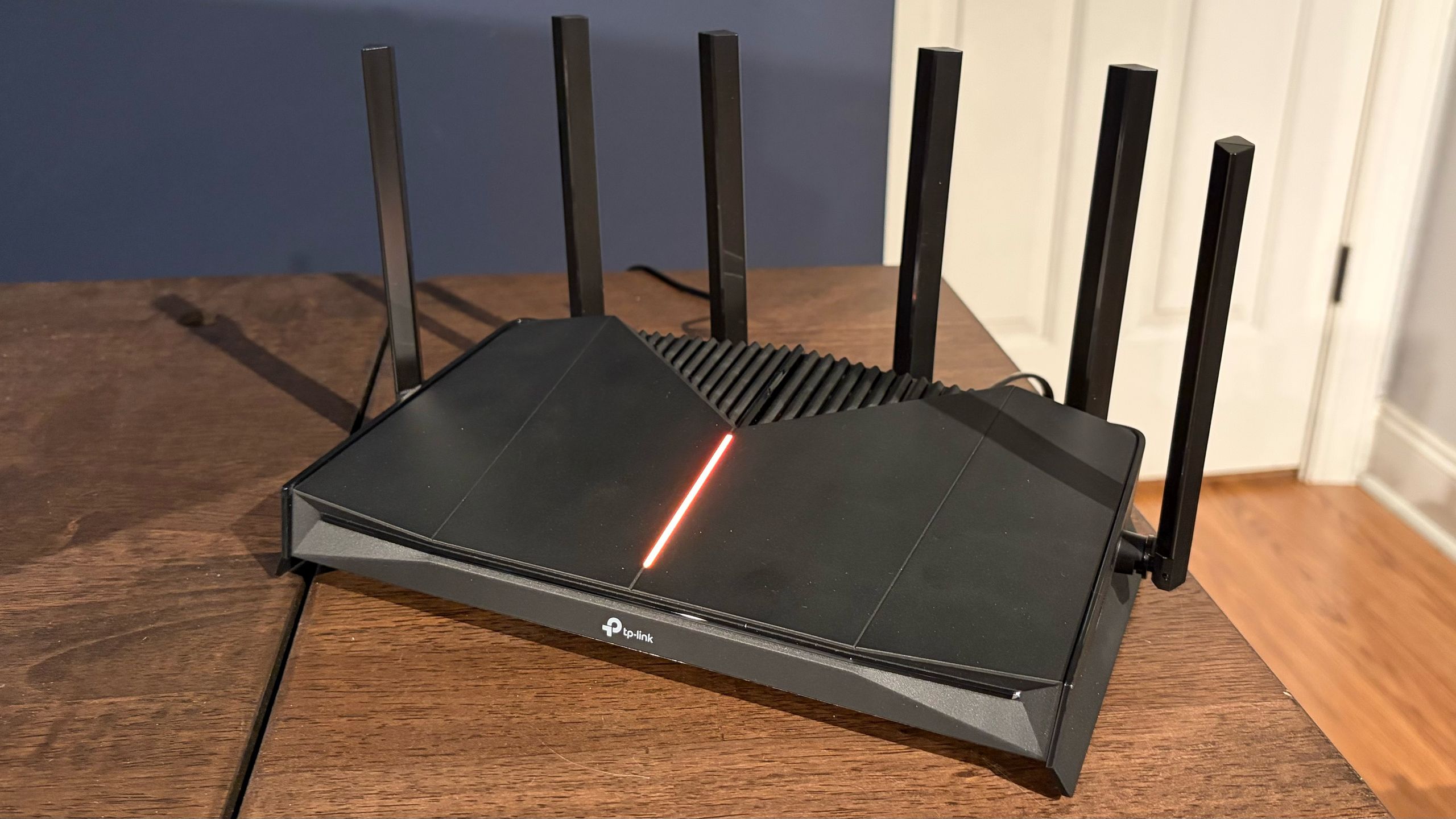
Researchers at UC Riverside disclosed 'AirSnitch', a set of Wi‑Fi architecture vulnerabilities that let an attacker on the same network assume device identities and divert uplink/downlink traffic (via shared GTK abuse, gateway bouncing, and MAC spoofing) without breaking encryption, enabling follow‑on attacks such as cookie theft and DNS/cache poisoning. The team demonstrated the issue across five consumer routers (Netgear Nighthawk x6 R8000, Tenda RX2 Pro, D‑LINK DIR‑3040, TP‑Link Archer AXE75, Asus RT‑AX57), two open‑source firmwares (DD‑WRT v3.0-r44715, OpenWrt 24.10) and university enterprise networks, signaling an architectural Wi‑Fi weakness that may force industry‑level protocol or standard changes and create reputational, patching and potential liability risks for networking vendors, although exploitation is nontrivial in complex deployments.
Market structure: Immediate winners are enterprise cybersecurity and managed-network vendors (Palo Alto Networks PANW, Fortinet FTNT, CrowdStrike CRWD, Cisco CSCO) that can sell appliance upgrades, IDS/IPS, zero-trust and managed Wi‑Fi services; losers are consumer/SMB router OEMs (Netgear NTGR explicitly named) where firmware fixes and liability risk compress margins. Expect a short-term 3–7% incremental security spend from affected corporate/education accounts over 6–12 months, shifting pricing power toward vendors with recurring software/subscription models and away from one-time hardware sellers.
Risk assessment: Tail risks include regulatory mandates (FCC/EU standard fixes) or class-action liability forcing recalls — low-to-medium probability (5–15%) but high impact (10–30% EBITDA hit for small OEMs) within 12 months. Near term (days–weeks) the primary risk is reputational headlines and option-volatility spikes (NTGR IV +30–60%); medium-term (3–12 months) depends on PoC releases, CVE assignments, and patch adoption rates; long-term (1–3 years) the market will prize software-upgradeable, subscription-led vendors.
Trade implications: Direct plays: bias long PANW/FTNT/CSCO (enterprise networking/security) and short NTGR or other consumer-router exposed names; expect implied volatility to rise 15–40% in security stocks and 30–80% for exposed OEMs on headline cycles. Use 3-month call spreads on PANW/FTNT to capture upgrade demand while buying 1–2 month puts on NTGR to hedge headline risk; rotate 5–10% portfolio weight from consumer electronics into cybersecurity over next 30–90 days.
Contrarian angles: Consensus may overstate sustained hardware replacement — KRACK (2017) caused patches not multiyear hardware booms, so if vendors rapidly patch (CVE & firmware out in 30 days) the short-term sell-off could reverse; NTGR could overshoot (20–40%) creating mean-reversion trades. Unintended consequences: pressure to cloud-manage Wi‑Fi increases TAM for MSFT/AWS and silicon vendors (QCOM, AVGO) — consider second-order longs if standards drive chipset refresh cycles within 12–24 months.
AI-powered research, real-time alerts, and portfolio analytics for institutional investors.
Request TrialOverall Sentiment
moderately negative
Sentiment Score
-0.35
Ticker Sentiment
