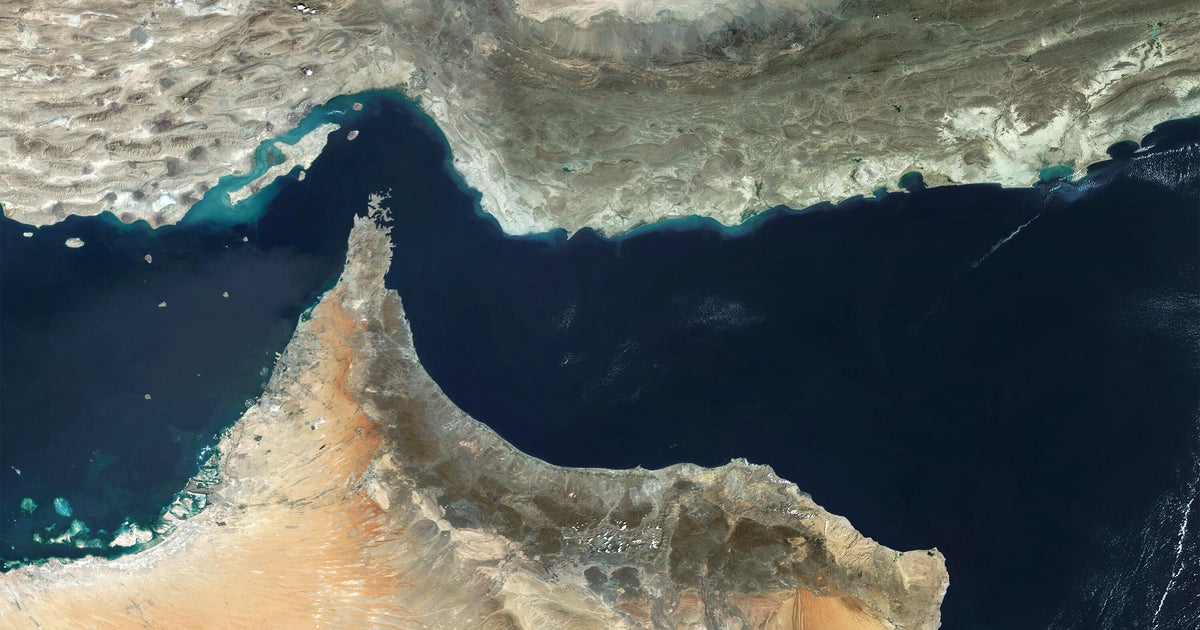
Iran's Revolutionary Guard seized a foreign oil tanker transiting the Strait of Hormuz carrying roughly 4 million liters (≈25,000 barrels) of allegedly smuggled fuel and detained 16 foreign crew, according to provincial justice officials. The incident underscores persistent maritime security risks in the Strait — a chokepoint for about 20% of traded oil — and follows a string of recent seizures and attacks, raising regional risk premia for energy shipments and sustaining downside pressure on investor sentiment toward Middle East shipping and energy exposures.
Market structure: The seizure is a localized supply disruption (≈25,000 barrels) but an outsized political risk signal that can re-price a regional risk premium. Expect short-term volatility in Brent/WTI (+$1–$3 baseline; tail +$20–$50 if Strait threats escalate) and a 5–15% lift in tanker time-charter earnings (TCE) over weeks if owners demand war-risk premia. Insurers and defense suppliers gain pricing power; global refiners and container shippers lose margin via higher freight/insurance costs.
Risk assessment: Immediate (days) — volatility spike in oil, gold, and FX; USD up, Treasuries bid (~10–20bps lower yields). Short-term (weeks–months) — war-risk premiums widen P&I and hull war risk by 10–30%, rerouting increases voyage fuel and days-per-trip by 2–7%. Long-term (quarters–years) — persistent Iranian harassment could embed a structural $3–8/bbl premium and shift trade flows to pipelines and LNG by route diversification. Tail risks include Strait closure (low prob) causing multi-week supply shock and >$50/bbl move.
Trade implications: Tradeable plays favor energy producers, tanker owners, insurers, and defense contractors; hurt cruise/airlines, container lines, and regional commodity processors. Options vol on crude should jump; consider short-dated call spreads to capture a discrete political premium while limiting downside. Monitor insurance war-risk notices and US naval convoys as triggers to exit or scale.
Contrarian angles: Consensus fixesate on direct supply loss; misses insurance/pricing mechanics that can amplify shipping cost structure by 10–30% without physical shortages. If seizures remain episodic, the market will mean-revert within 4–8 weeks — making short-term long-tanker equity plays vulnerable to quick reversals. Historical parallels (Gulf tensions 2019–21) show transient price spikes then fade unless accompanied by real interdiction of flows.
AI-powered research, real-time alerts, and portfolio analytics for institutional investors.
Request DemoOverall Sentiment
moderately negative
Sentiment Score
-0.35
