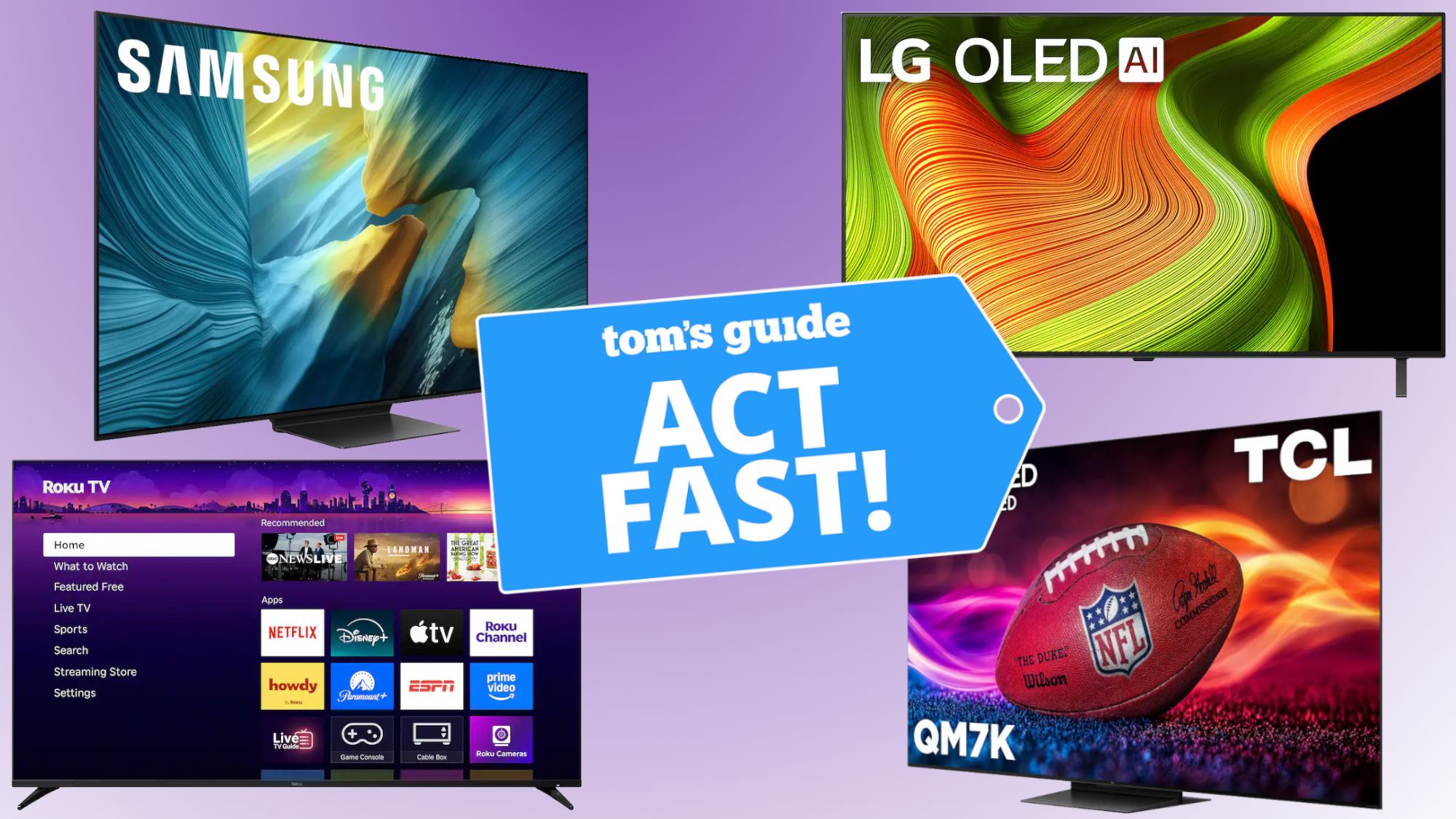
Amazon is promoting early Prime Day TV discounts, with headline prices starting at $99 and notable deals including the Insignia 55-inch 4K Fire TV at $159, the Roku 55-inch Plus Series at $369, and the Insignia 85-inch 4K QLED TV at $659. The article highlights broad promotions across Amazon, Insignia, Hisense, TCL, Roku, and Samsung, with savings as high as 39% on select models. The impact is mostly retail-focused and promotional rather than market-moving, but it underscores strong consumer discounting ahead of Prime Day.
This is less a one-off promo than evidence that the TV replacement cycle is being pulled forward by pricing pressure and inventory management. The key second-order effect is on mix: aggressive discounts on larger-screen and Mini-LED sets signal retailers and OEMs are willing to sacrifice gross margin to clear higher-end inventory before the next wave of back-to-school and holiday demand, which should favor share gains for Amazon’s marketplace and private-label adjacent ecosystems over higher-margin direct channels.
For AMZN, the near-term read-through is traffic and conversion, not just hardware revenue. Early discounting broadens the funnel, especially into lower-AOV households that may add Fire TV devices, subscriptions, and accessory purchases later; the more durable benefit is higher engagement in Prime members’ living rooms, which strengthens retention economics. That said, if the promotion intensity persists, it can compress seller economics and modestly weigh on take rates in the short run.
ROKU is the cleanest relative beneficiary if consumers trade up from basic sets into “easy streaming” TVs, because every incremental installed screen that defaults to Roku OS improves future ad inventory and platform habit formation. The contrarian risk is that bundled operating systems inside TV hardware commoditize streaming interfaces, making it harder for standalone platform monetization to outrun price-led competition; this is a months-to-years issue rather than a holiday-quarter story. AAPL’s direct exposure is limited, but AirPlay/HomeKit integration still matters because it keeps Apple inside the living-room workflow and supports ecosystem stickiness.
The market may be underestimating how much of this demand is pull-forward, not additive. If these discounts are mostly replacing later-season sales, the real winner is share gain rather than category growth, and that favors the lowest-cost distributors plus OS ecosystems more than panel brands. The key reversal catalyst is a faster-than-expected stabilization in panel pricing or a weaker consumer tape, which would force retailers to preserve margin and slow the promotional cadence within 1-2 months.
AI-powered research, real-time alerts, and portfolio analytics for institutional investors.
Request DemoOverall Sentiment
mildly positive
Sentiment Score
0.22
Ticker Sentiment
