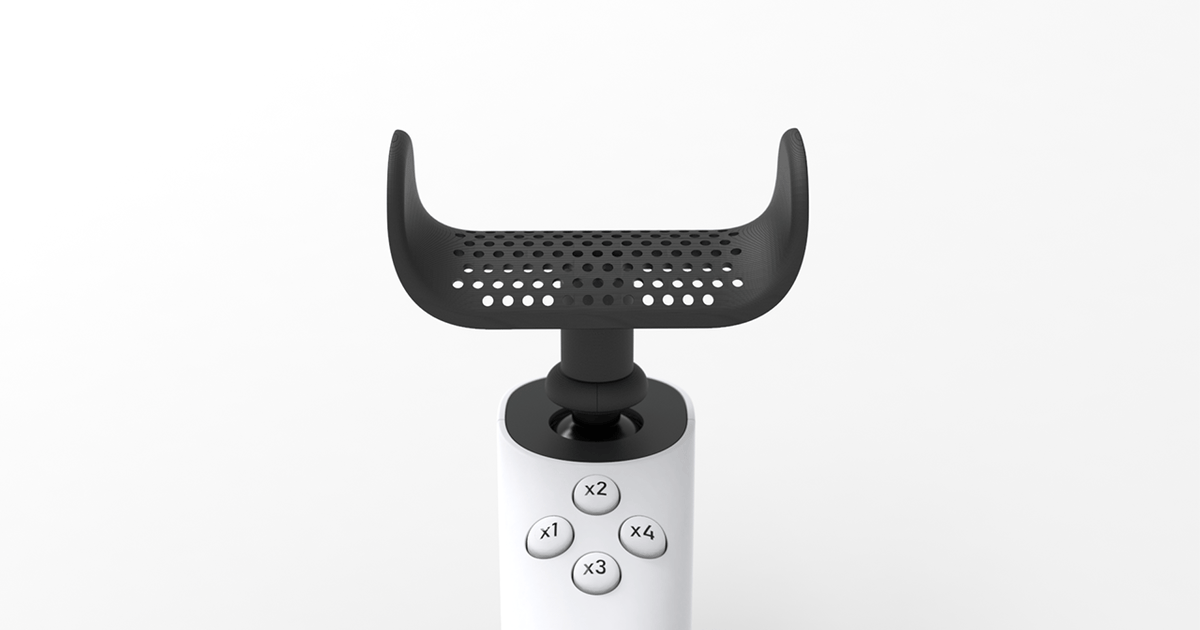
Microsoft is rolling out updated Xbox Adaptive Thumbstick Toppers, including a new 'Goal Post' design aimed at reducing accidental removal during high-force use. The products were developed with disability community feedback and will be available as 3D printables through Xbox Design Labs on May 21, 2026. The update is a modest accessibility-focused product enhancement with limited near-term market impact.
This is less a revenue event than a signal about how Microsoft is trying to widen the moat around its hardware ecosystem through accessibility-led design. The second-order benefit is not the thumbstick topper itself; it is the durability of engagement from users who tend to be sticky, vocal advocates, and often influence broader enterprise/public-sector purchasing decisions. The 3D-printable distribution model also reduces friction and inventories, which means the economics are more about ecosystem lock-in and brand equity than unit sales.
The competitive dynamic is subtle: Sony and Nintendo are not directly pressured on this SKU, but Microsoft is reinforcing a category where incumbents can differentiate on inclusivity and customization rather than raw console specs. That matters because accessory innovation can improve attachment rates and accessory attach ecosystems over a multi-quarter horizon, especially if the design tools become a low-cost template for other user-generated peripherals. If this pattern extends, the downstream winners are likely 3D-printing software/platform partners, not just gaming hardware.
The key risk is that this stays reputationally positive but commercially immaterial. If adoption is limited to a niche audience or execution is clunky, the market will treat it as PR with minimal model impact; the catalyst window is months, not days, and any signal worth watching will be in broader engagement metrics around Xbox Design Labs rather than console sales. A contrarian read is that the market may underappreciate the strategic value of accessibility as a retention lever: even tiny improvements in satisfaction can compound into lower churn, better cross-sell, and stronger optionality for future hardware cycles.
AI-powered research, real-time alerts, and portfolio analytics for institutional investors.
Request DemoOverall Sentiment
neutral
Sentiment Score
0.15
Ticker Sentiment
