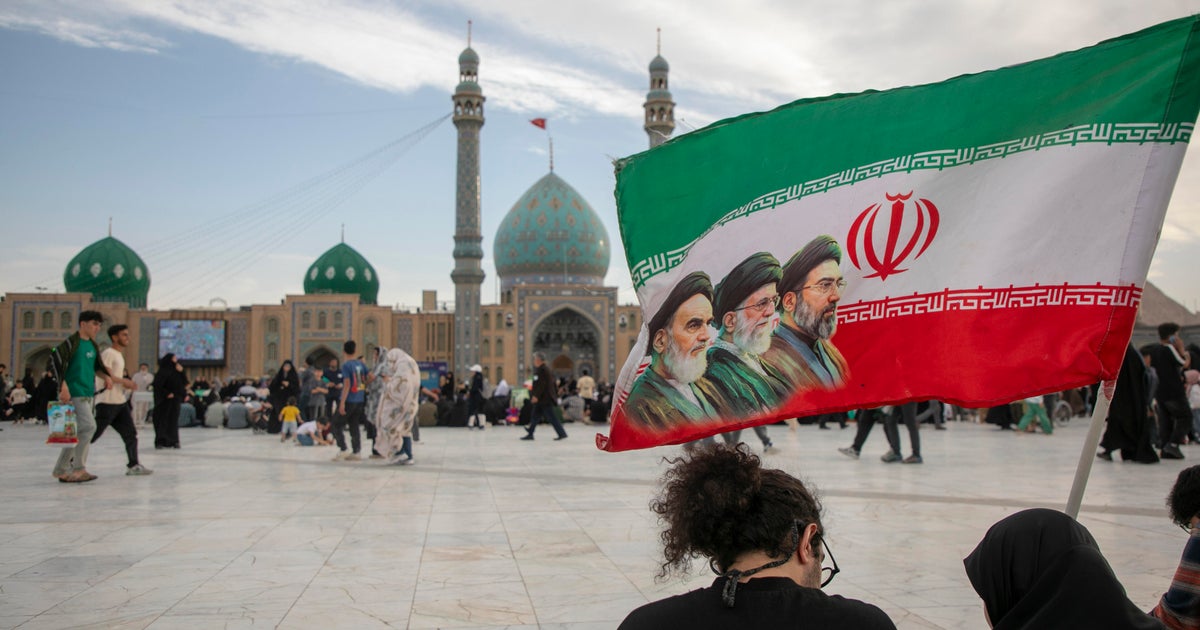
U.S.-Iran negotiations are close but not finalized, with reports of a tentative 60-day memorandum to extend the ceasefire, reopen the Strait of Hormuz, and begin talks on Iran’s nuclear program pending President Trump’s approval. The Treasury also imposed new sanctions on firms tied to Iran’s military-owned petroleum company, while Israel continues military operations in Gaza and Lebanon amid rising casualties and displacement. The geopolitical backdrop remains highly volatile and could affect oil markets, regional security, and broader risk sentiment.
The market is likely underpricing the convexity embedded in a Hormuz reopen-plus-ceasefire extension versus the binary headlines. The base case is not “peace dividend” but a temporary compression of geopolitical risk premia: lower implied oil vol, tighter credit spreads for energy importers, and relief in freight-sensitive sectors, with the move most visible in the next 1-5 trading sessions if language is durable. But because the deal is still described as provisional, the dominant setup is headline-whipsaw rather than a clean trend, so faded rallies in crude and defense could persist until there is a formal signature.
The second-order effect is that sanctions pressure and diplomacy can coexist, which matters for the medium-term oil balance. Even if the strait reopens, enforcement on Iranian oil flows appears to be tightening, so any near-term supply relief may be offset by slower export growth and less shadow-fleet efficiency; that argues against chasing a structural collapse in crude. For refiners and airlines, the risk is that prices fall on headlines before the physical market has actually improved, creating a window for better hedges or tactical longs if the agreement slips.
The biggest tail risk is that a failed draft or delayed presidential approval reignites the risk premium with little warning, and the market has already been trained to react mechanically to each statement. In that scenario, crude can spike faster than equities can re-rate, while rates-sensitive and import-sensitive sectors lag with no immediate policy backstop. Contrarian takeaway: the consensus is too focused on the geopolitical optics and not enough on the fact that partial de-escalation may extend the conflict timeline, reducing tail risk but increasing the duration of sanctions friction and intermittent supply disruptions.
AI-powered research, real-time alerts, and portfolio analytics for institutional investors.
Request DemoOverall Sentiment
neutral
Sentiment Score
-0.10
